An adoption profile marked FIV-positive deserves a thoughtful conversation, not an immediate assumption about the cat's personality, remaining lifespan, or suitability for every home. Ask the rescue what is known about this individual and involve your veterinary team before making the household plan.
FIV stands for feline immunodeficiency virus. The infection affects cats' immune systems, but a label is not a description of the animal's current health. This guide organizes adoption questions. It cannot confirm a diagnosis, predict an individual outcome, or decide whether your resident cats can safely share space with a newcomer.
Ask what the test record actually says
Request the original report, date, test type, age at testing, and the veterinarian's interpretation. Ask whether any clarification or follow-up testing is recommended. If the profile uses an abbreviated description, obtain the record rather than treating an adoption-card word as the complete clinical history.
Cornell's Feline Health Center explains that common tests look for antibodies and that a single result is not sufficient in every circumstance. Age, possible recent exposure, and vaccination history can affect interpretation. Let the veterinary team decide which considerations apply; do not order a sequence of tests from an online checklist.
Keep FIV and feline leukemia virus, or FeLV, distinct in your questions. Ask what testing has been performed for each and what remains unknown. The paperwork should make that distinction clear without asking a prospective adopter to infer it from the name of a combined screening test.
Discuss the cat in front of you
Cornell reports that FIV-infected cats can live healthy lives for many years with appropriate management, while emphasizing that an individual cat's survival cannot be predicted. Ask about current examination findings, appetite, weight history, dental care, previous illnesses, and any ongoing instructions rather than requesting a promised number of years.
A useful rescue conversation separates observed information from gaps. “Eating the current diet and weight recorded at these visits” is specific history. “Will never have problems” is not a commitment anyone can responsibly make. Ask what the organization can document and what your own veterinarian will need to assess after adoption.
The general adoption-question guide helps connect that history with your daily life. Your available time, transport, other animals, and capacity for follow-up care remain relevant even when a particular diagnosis initially dominates the conversation.
Make resident-cat decisions with professional help
ASPCApro's shelter guidance identifies bite wounds as the principal transmission route. It describes low transmission risk between compatible neutered adult cats and says informed adopters may consider such a placement. That is a conditional assessment, not a declaration that any two cats will be compatible.
Cornell also describes much lower transmission risk in stable households where cats do not fight, while recommending separation as the way to eliminate exposure between infected and uninfected cats. Discuss both the individual animals and your ability to maintain the advised arrangement with the rescue and veterinarian before committing.
Do not stage an immediate meeting to see whether the cats fight. Ask for an introduction and management plan, what would require a pause, and what happens if the arrangement is unsuitable. A peaceful brief encounter cannot establish long-term compatibility or remove the need for monitoring.
Prepare ordinary care without turning the home into an experiment
ASPCApro emphasizes preventive veterinary care, a balanced diet, and reducing illness risks. Ask your veterinarian for the actual examination schedule, food guidance, monitoring, and response instructions appropriate to this cat. Obtain those directions in writing so another caregiver can follow them.
Ask the rescue which food and routines the cat currently knows and what should continue during the move. Avoid buying unproven immune-support products or improvising treatment because the profile mentions a virus. If symptoms appear, contact the veterinary team promptly rather than waiting for a planned adoption follow-up.
Arrange a comfortable indoor base with the resources and separation the team recommends. The first-room guide can help prepare those ordinary needs. The goal is dependable care and a manageable transition, not a photograph showing the newcomer has immediately explored every room.
Leave with answers about support and cost
Confirm who holds the medical records, who provides post-adoption advice, and what support the organization actually offers. Ask your clinic for the scope and likely cost of the recommended care, distinguishing current needs from uncertain future ones. No diagnosis makes every future bill predictable.
Review the answers with the household before deciding. An informed adoption can make room for an FIV-positive cat while remaining honest about the individual care and management involved. If something essential is unresolved, use that question to continue the conversation rather than replacing evidence with either fear or reassurance.
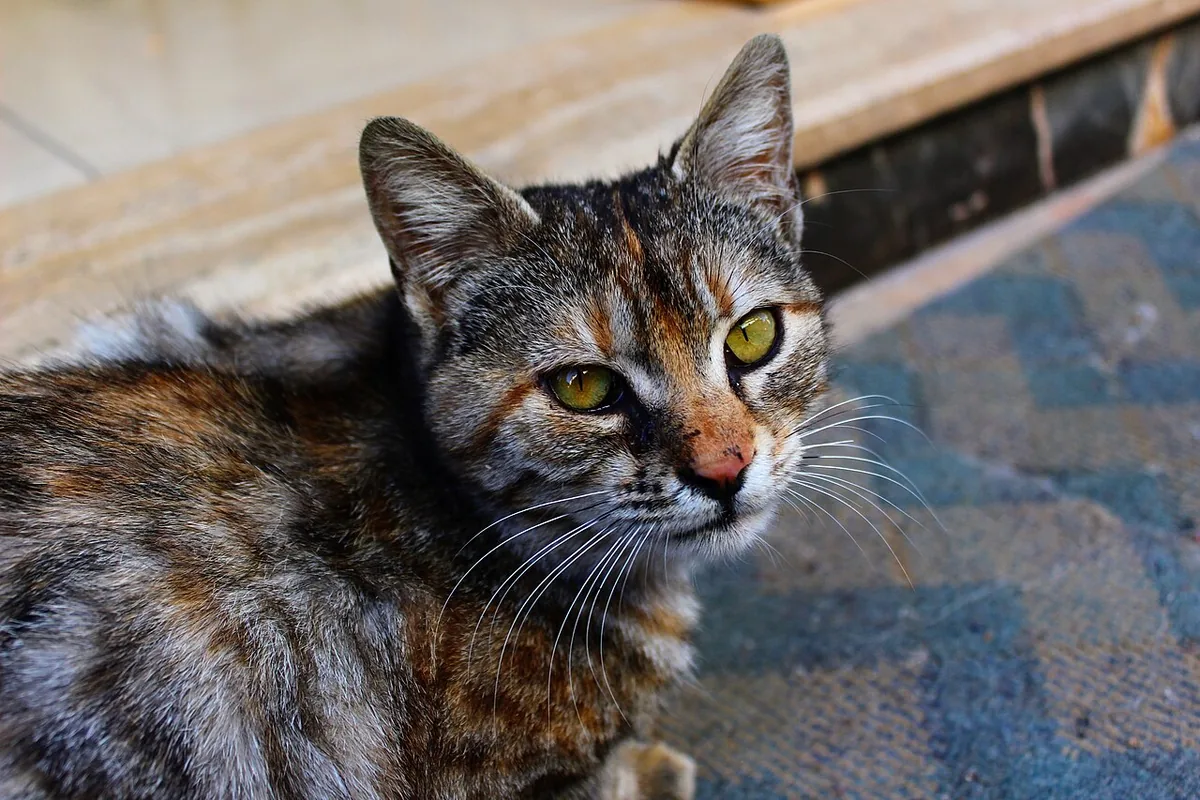
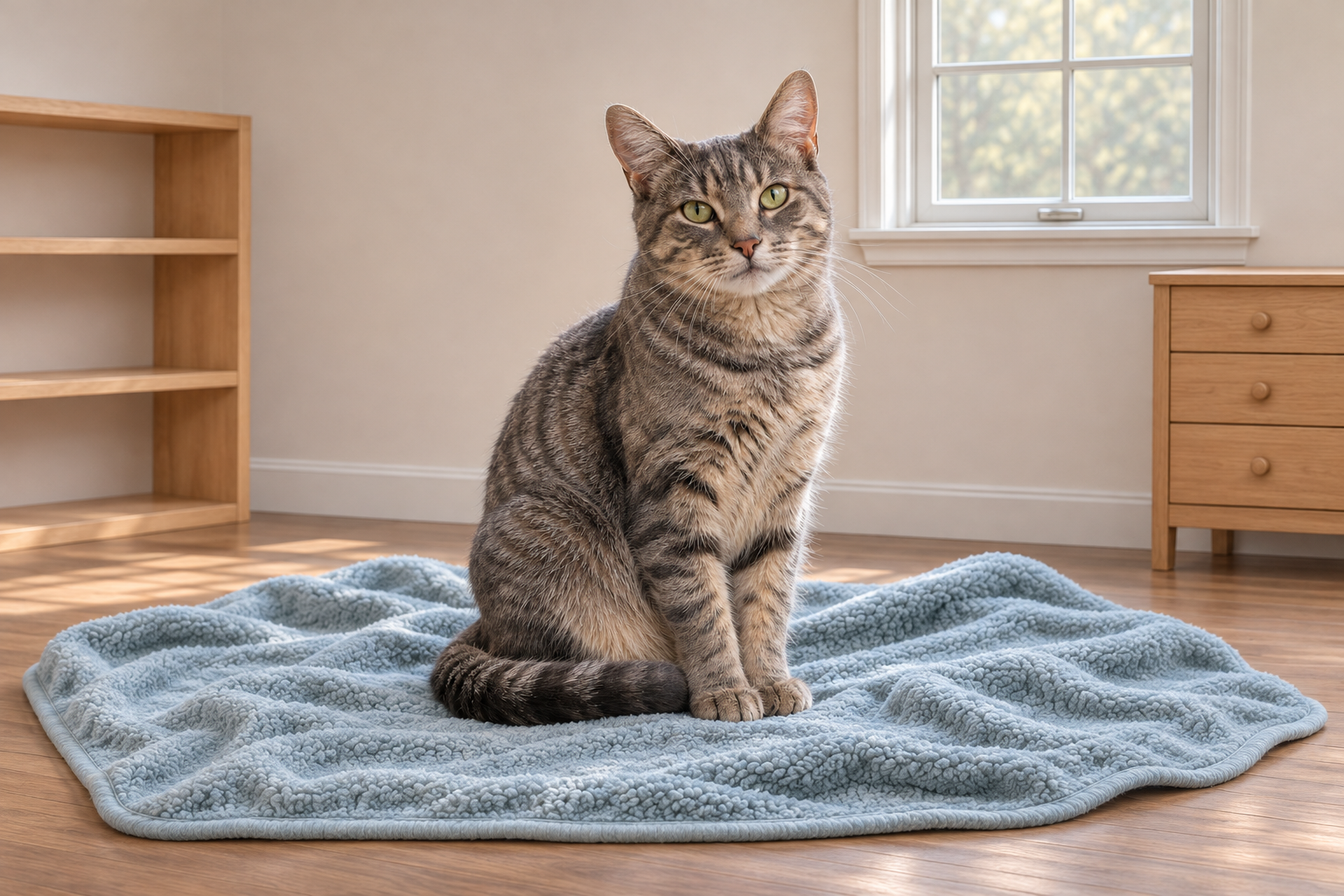
Editorial note: AI-assisted adoption guidance based on the primary veterinary and shelter sources linked above, checked November 5, 2026. No veterinarian reviewed this article or assessed a particular household. The featured image is an original AI-created cat portrait, not an actual rescue case or evidence of FIV status.
Prepared with AI assistance and source checks. General editorial information; no veterinarian-review claim. Report a correction.