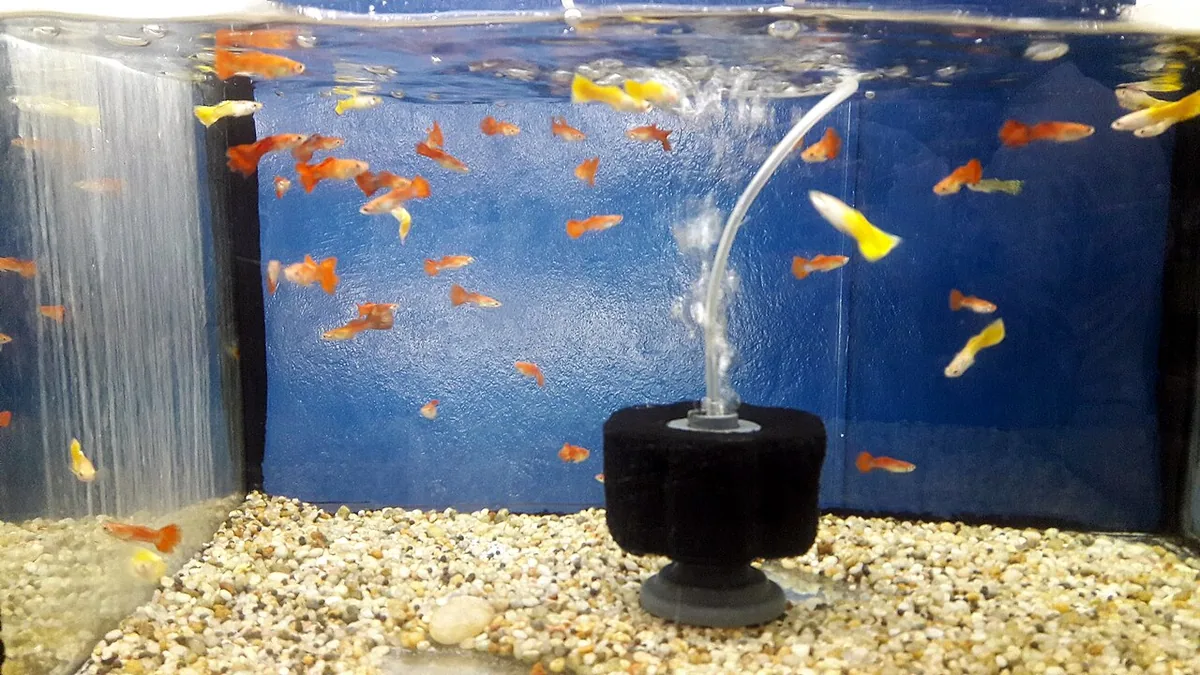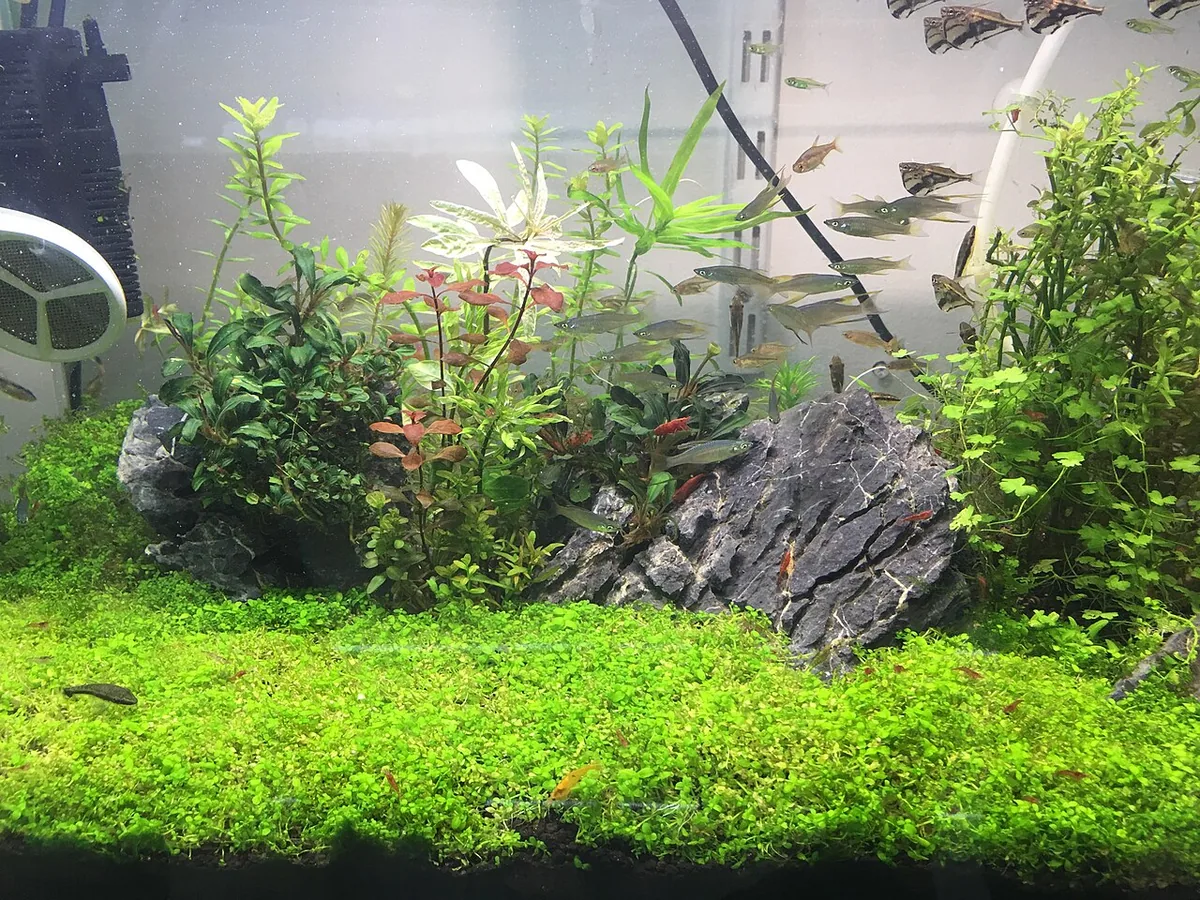
At feeding time, the most visible fish can dominate your attention while another stays behind a plant or fails to reach suitable food. Watch the whole aquarium, including lower levels and quiet corners. The aim is to see who eats and how the established feeding plan works, without adding extra food each time one fish remains difficult to observe.
Know what each species needs
Keep the species list, appropriate diet, feeding method, and current care guidance together. Different fish may need different food forms or feeding locations. Ask a knowledgeable aquarium professional or aquatic veterinarian about uncertainty. The RSPCA’s fish-diet guidance emphasizes appropriate feeding and the risks associated with excess food and poor water quality.
Measure the planned portion using the method specified for the aquarium. Do not rely on a changing pinch size or let every visitor offer a little extra. A portion plan can be revised with appropriate advice, but the observation session should not become a competition to make every fish visibly eat at once.
Observe from a steady position
Stand quietly where you can see several levels of the tank. Note which fish approach, which stay back, and whether another fish repeatedly blocks access. Watch normal activity before and after food appears. A single missed mouthful does not establish illness, but a consistent change is useful information.
Use a brief factual entry when something differs: species or individual, food, location, and observed response. Avoid labels such as lazy or greedy. Those describe your interpretation, not the event. If several caregivers feed the tank, share the record so each person does not respond by increasing the next portion.
Look for leftovers without disturbing the tank
Follow the aquarium’s appropriate plan for uneaten food and routine maintenance. Do not leave food accumulating because a hidden fish might eat it later. Check water quality when feeding or behavior changes, and seek help with persistent concerns. Adding a scavenging species is not a substitute for a suitable feeding and maintenance routine.
Keep tank access secure and equipment operating correctly. Do not move decorations or chase fish to persuade a quiet individual to feed. A fish may need a species-appropriate approach or veterinary assessment. The next step should follow the observed pattern and professional advice rather than a hurried experiment.
Bring the pattern to a professional
Contact an aquatic veterinarian about sustained loss of appetite, unusual breathing, lesions, or other concerning changes. Include water results, recent maintenance, stocking changes, and the feeding record. A video from outside the tank may be useful if obtained without adding stress.
Continue the agreed feeding plan while clarifying any necessary changes. A successful observation routine is short enough to repeat and detailed enough to reveal a difference. It makes feeding a window into the whole aquarium rather than a moment judged only by how quickly the boldest fish reaches the surface.
Map the feeding levels
Draw a simple front view of the aquarium and mark the levels where the established species normally obtain food under their care plan. During feeding, note who reaches which area and where a blockage or repeated chase occurs. The drawing helps you notice the less visible parts of the tank without moving decorations or adding extra food for the sake of a better view.
Bring the map and factual observations to an aquatic professional if feeding access seems uneven. Ask about an appropriate method for the actual species rather than buying more food forms at random. Keep quantities within the agreed plan while advice is obtained. A change in appetite or signs of distress should still reach an aquatic veterinarian promptly. Update the map after a stocking or layout change, and tell every caregiver what was revised. The exercise supports a more complete view of feeding: food type, location, quantity, behavior, and water quality remain connected instead of being judged by the busiest corner alone.
Connect this task to the wider care plan
Keep feeding and resource access connected to the actual species combination using A Community Aquarium Starts With a Stocking Plan.
Evaluate equipment or product statements beyond their packaging promise by reading Read Pet Product Claims Like a Magazine Editor.
Bring factual observations and the relevant routine to a clinical conversation with Bring the Story: Build a Useful History for Your Next Vet Visit.
Editorial note: Prepared with AI assistance by Pet Living Magazine using the sources below. This article has not been reviewed by a veterinarian; individual care questions belong with your veterinary team. The photograph is representative editorial imagery, not a demonstration of every recommendation.
Prepared with AI assistance and source checks. General editorial information; no veterinarian-review claim. Report a correction.