Filter maintenance is easier to understand when the record says exactly what changed. “Cleaned filter” may mean a wiped intake, a replaced cartridge, or a complete media change. Those are different tasks. Keep the filter’s model and instructions with a dated log so you can connect routine work with water-test results and any later change in the aquarium.
Identify the installed components
List the filter, media types, relevant tubing, intake protection, and recommended service instructions. Photograph the setup while it is operating normally. Save instructions for restarting and checking flow. A sitter should not need to search online for a filter that resembles yours but has different parts.
The RSPCA warns against over-cleaning that disrupts an aquarium’s biological balance. Follow appropriate manufacturer and aquarium-specific guidance rather than assuming every part should be replaced together. If instructions seem inconsistent with maintaining biological filtration, consult a knowledgeable aquarium professional or aquatic veterinarian before making a large change.
Describe the work in plain terms
Record date, component, task, materials used, and whether the filter restarted normally. Add relevant water results and the tank’s ordinary appearance. Separate mechanical cleaning from media replacement so the next caregiver can see the difference. A clear entry also prevents two people from servicing the same component on consecutive days.
Use equipment reserved for aquarium work and keep cleaners or soap away from the system unless specifically appropriate under professional instructions. Check seals and connections after reassembly. Follow electrical safety guidance, including unplugging equipment when required and preventing water from reaching unsafe connections.
Look at performance after restarting
Check flow, leaks, noise, and whether equipment is operating as intended. Observe fish without repeatedly chasing them to the front glass. A filter running audibly does not prove it is moving water correctly. If flow has changed unexpectedly, inspect the installation and ask for help rather than leaving the problem until the next scheduled service.
Continue suitable water testing under the tank’s care plan. Clear water is not a complete quality assessment. Keep results dated with the kit and relevant conditions, especially after significant maintenance or an interruption. Do not treat a single good reading as permanent permission to stop checking.
Plan parts before they are needed
Keep the exact part identification and a suitable spare for a component whose failure would leave the tank unsupported. Store spares clean and dry, and label them so nobody fits a similar-looking part from another aquarium. Do not modify equipment beyond its intended use.
Review the log if water quality or fish behavior changes. Share the sequence with an aquatic veterinarian when there is a health concern. A good record does not diagnose the problem, but it preserves what happened in the system. That can be more useful than trying to reconstruct several weekends of maintenance from memory.
Make a parts-and-task table
Use columns for component, manufacturer instruction, last completed task, next review, and any unusual result. Keep media changes clearly distinct from intake cleaning or seal inspection. Include the exact part identifier when replacement is possible, and store the manual nearby. A sitter should be able to understand what is due without decoding a month of shorthand.
At the next suitable service, complete one row as the work happens and check the restart before marking the task finished. If you discover a leak or reduced flow, preserve that observation and seek help. Do not close the record with cleaned simply because the filter has been reassembled. Review the table after the system changes. A newly installed filter should not inherit the old model’s instructions automatically. The table works when it preserves the relationship between equipment, maintenance, and the aquarium’s observed performance, giving later troubleshooting a useful sequence rather than a list of vague dates.
Keep service and symptom timing distinct
If a fish-health concern appears after maintenance, record both events accurately without assuming one caused the other. Include the exact work, restart observations, water results, and when the change was noticed. Share the sequence with an aquatic veterinarian. An honest timeline is more useful than a confident explanation that leaves out another recent change, such as feeding, stocking, or source water.
Keep these details together
- Identity
- Name the animal, product, or equipment precisely so another caregiver can find the correct record.
- Current instruction
- Keep the dated professional or manufacturer guidance available beside the working routine.
- Completed action
- Record what actually happened, including uncertainty, before handing care to the next person.
Connect this task to the wider care plan
Make related aquarium maintenance more repeatable by organizing equipment through Build a Water-Change Station for a Freshwater Aquarium.
Turn the working arrangement into instructions another caregiver can follow with The Pet Sitter Handoff: What Someone Else Needs to Know.
Keep contacts, appropriate transport, and caregiver responsibilities available through Your Pet Emergency Care Plan: Contacts, Transport, and Records.
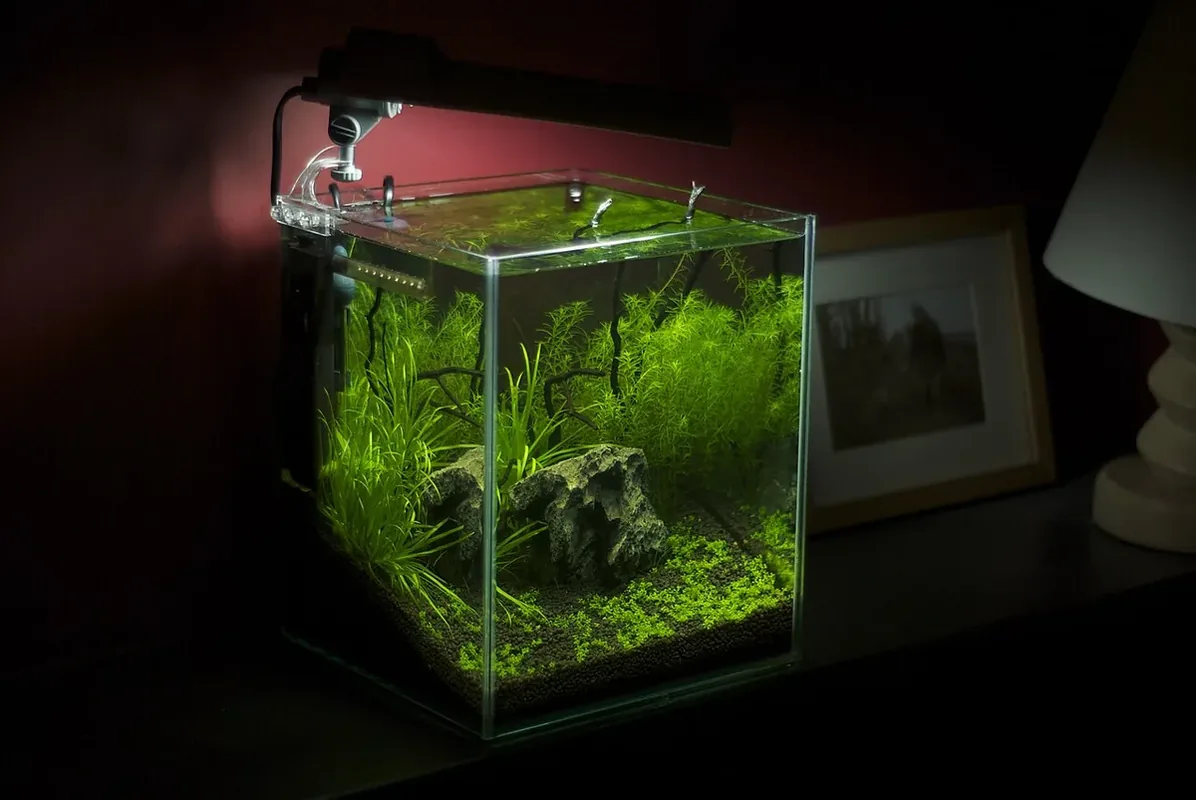
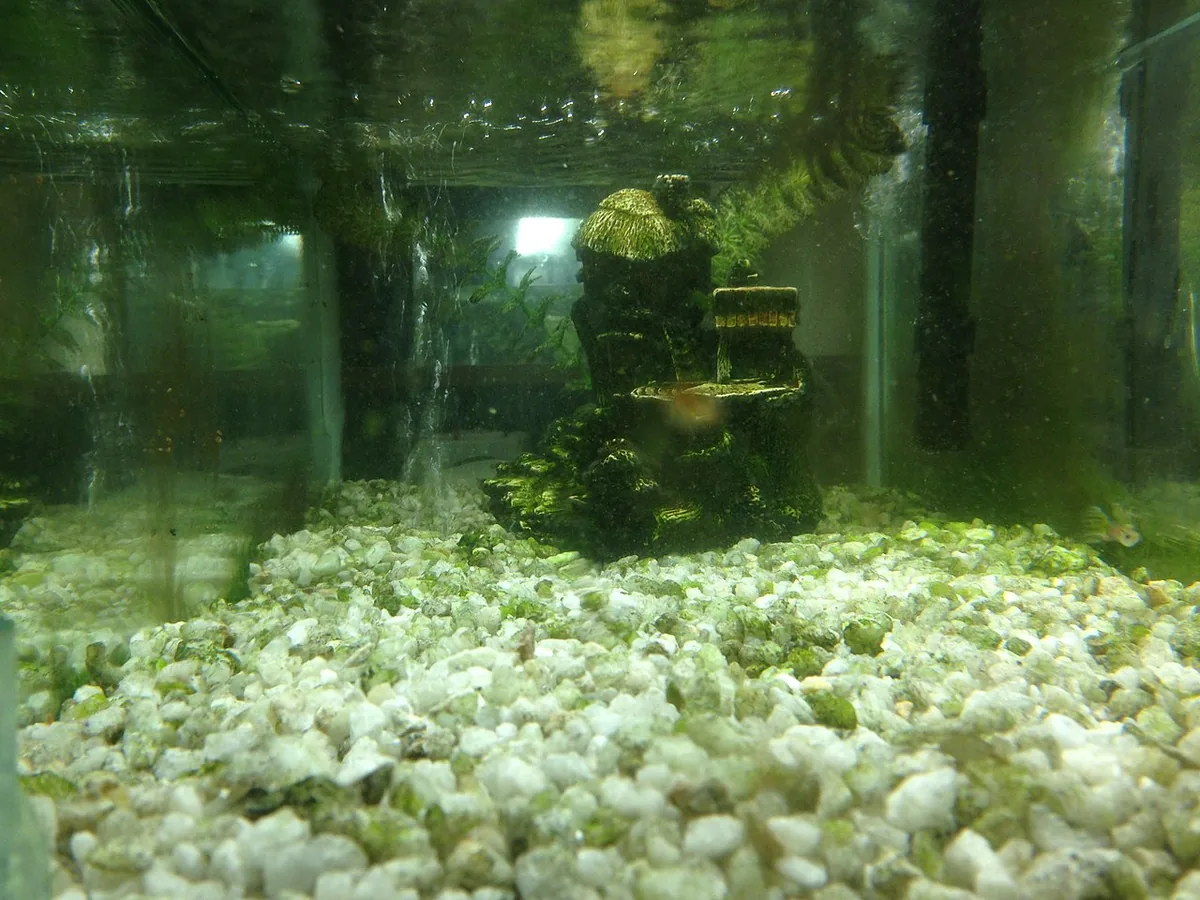
Editorial note: Prepared with AI assistance by Pet Living Magazine using the sources below. This article has not been reviewed by a veterinarian; individual care questions belong with your veterinary team. The photograph is representative editorial imagery, not a demonstration of every recommendation.
Prepared with AI assistance and source checks. General editorial information; no veterinarian-review claim. Report a correction.