The aquarium can look self-contained to a house sitter, but care still depends on precise feeding, reliable equipment, and useful observation. A holiday handoff should remove guesswork. Give the sitter an established routine, measured portions where appropriate, clear limits on maintenance, and a professional contact route before you leave.
Rehearse the routine in person
Show the aquarium’s ordinary appearance, equipment operation, and expected temperature range under its species-specific plan. Let the sitter find the thermometer, supplies, and log. Explain what they can check safely and which equipment they should not dismantle. Photograph the working arrangement for reference.
Give feeding instructions that match the actual animals and system. The RSPCA’s fish-diet guidance cautions against overfeeding. Pre-measured suitable portions can reduce ambiguity, but they still need storage and timing appropriate to the food. Do not combine incompatible foods in one packet merely to make the instructions shorter.
Decide what maintenance can wait
Complete appropriate scheduled work before travel with enough time to observe the system afterward. Avoid a major last-minute redesign or adding livestock immediately before leaving. Give the sitter a defined plan for necessary tasks and do not ask them to perform unfamiliar filter work without training.
Keep water-preparation instructions exact if a suitable water change is part of the handoff. Label aquarium-only containers and explain which products and amounts are approved for the system. The sitter should not substitute untreated tap water or an unfamiliar chemical because the aquarium level has changed.
Write the escalation route
List the aquatic veterinarian or knowledgeable professional contact, a backup caregiver, and your contact details. Explain when to call directly. Unexpected fish distress, leaks, equipment failure, or an unsafe electrical situation should not wait for a holiday message to be read hours later.
Describe the power-outage and leak arrangements, including safe access to isolation controls where appropriate. Do not ask an inexperienced sitter to repair wiring or move a heavy filled aquarium. If the plan depends on specialist action, arrange that support before departure.
Keep updates useful and short
Ask for completed-task times and factual observations. A clear photo of the aquarium can complement the record, but it does not prove water quality. Provide a testing plan only when the sitter has learned the kit’s procedure and can interpret results according to the agreed instructions.
On return, review what happened before resuming normal care. Do not repeat a feeding or service task because the log was left in another room. A good handoff preserves continuity: the aquarium receives the established care, the sitter knows their limits, and concerning changes reach the right person promptly.
Check the sitter’s first message
During rehearsal, ask the sitter to write the update they would send after a normal visit. It should identify completed tasks, the relevant observations, and any unresolved concern. If it says only everything is fine, explain which details are useful. If it contains guesses about illness, bring it back to what they actually observed and the veterinary contact plan.
Keep the message format short enough for a real working day. Include a photograph only when it adds useful context and can be obtained without disturbing the aquarium. Confirm that the sitter can find the task record and will not feed again merely because the message has not yet been acknowledged. Give a backup caregiver access to the same instructions. The practice message tests the information route as well as the care routine: someone should be able to read it, understand what happened, and act on a concern without needing you to translate unclear shorthand from a distant hotel room.
Prepare for the sitter being unavailable
Name a backup person who knows the aquarium and can access the instructions. Confirm that they can cover an unexpected missed visit or help contact a professional. Keep the arrangement current and explain how responsibility changes hands. A feeding portion left beside the tank does not solve a staffing gap; someone must still check the system and record what was actually completed.
Keep these details together
- Identity
- Name the animal, product, or equipment precisely so another caregiver can find the correct record.
- Current instruction
- Keep the dated professional or manufacturer guidance available beside the working routine.
- Completed action
- Record what actually happened, including uncertainty, before handing care to the next person.
Connect this task to the wider care plan
Make related aquarium maintenance more repeatable by organizing equipment through Build a Water-Change Station for a Freshwater Aquarium.
Turn the working arrangement into instructions another caregiver can follow with The Pet Sitter Handoff: What Someone Else Needs to Know.
Keep contacts, appropriate transport, and caregiver responsibilities available through Your Pet Emergency Care Plan: Contacts, Transport, and Records.
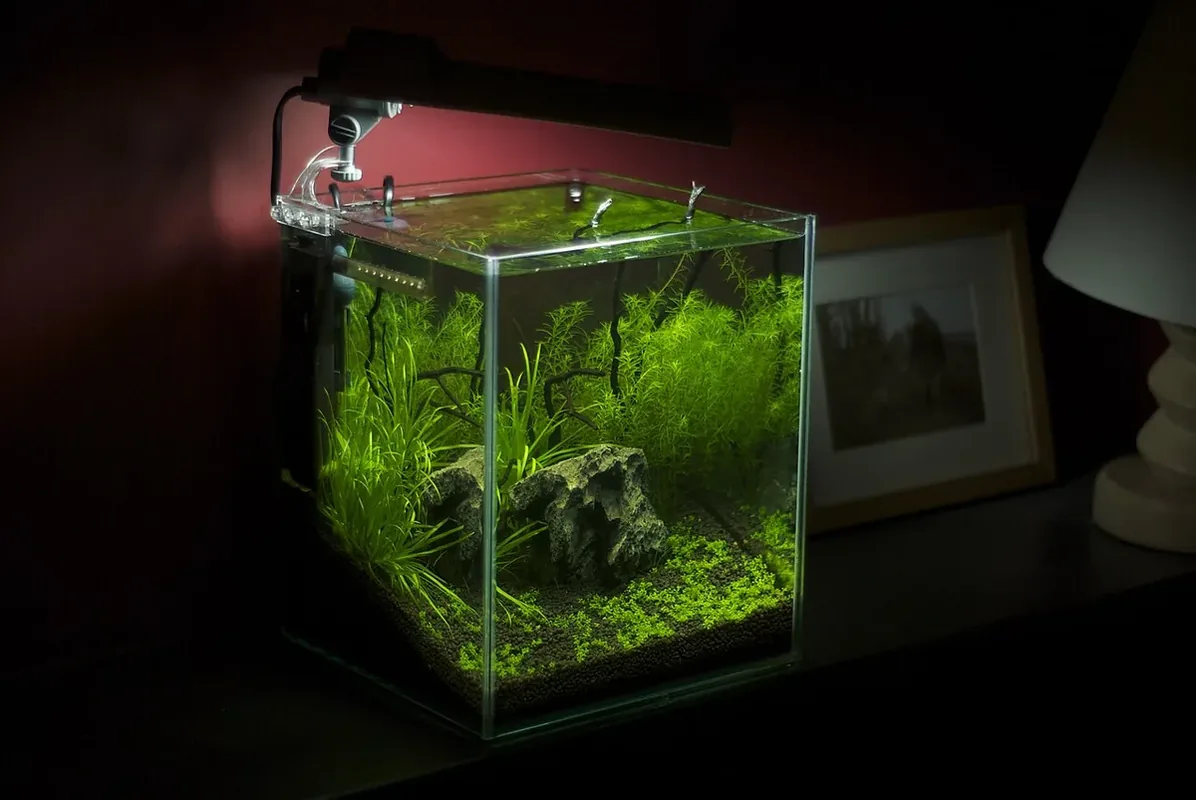
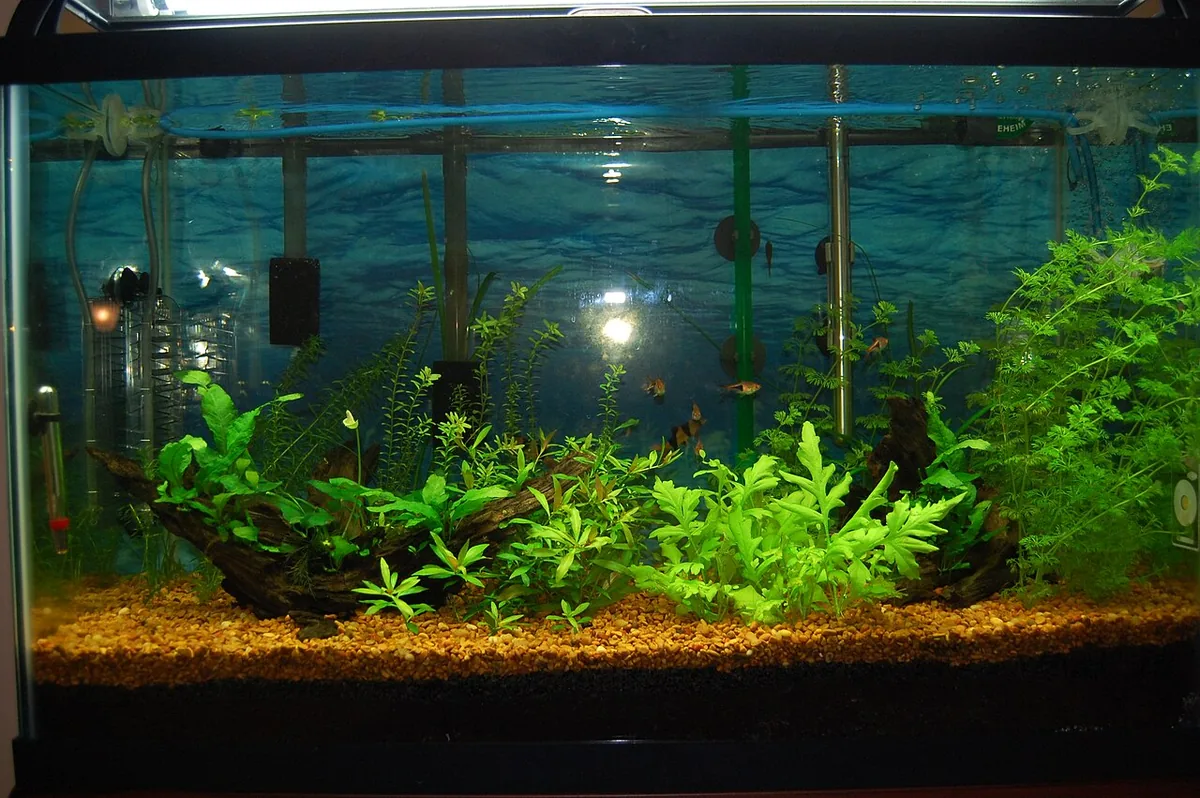
Editorial note: Prepared with AI assistance by Pet Living Magazine using the sources below. This article has not been reviewed by a veterinarian; individual care questions belong with your veterinary team. The photograph is representative editorial imagery, not a demonstration of every recommendation.
Prepared with AI assistance and source checks. General editorial information; no veterinarian-review claim. Report a correction.