An aquarium power interruption affects several functions at once: filtration, circulation, heating, lighting, and any equipment used for monitoring. Prepare while everything is working. The right backup depends on tank size, species, room conditions, and outage duration, so build the plan with appropriate manufacturer guidance and an aquatic professional rather than a universal equipment list.
List the functions that stop
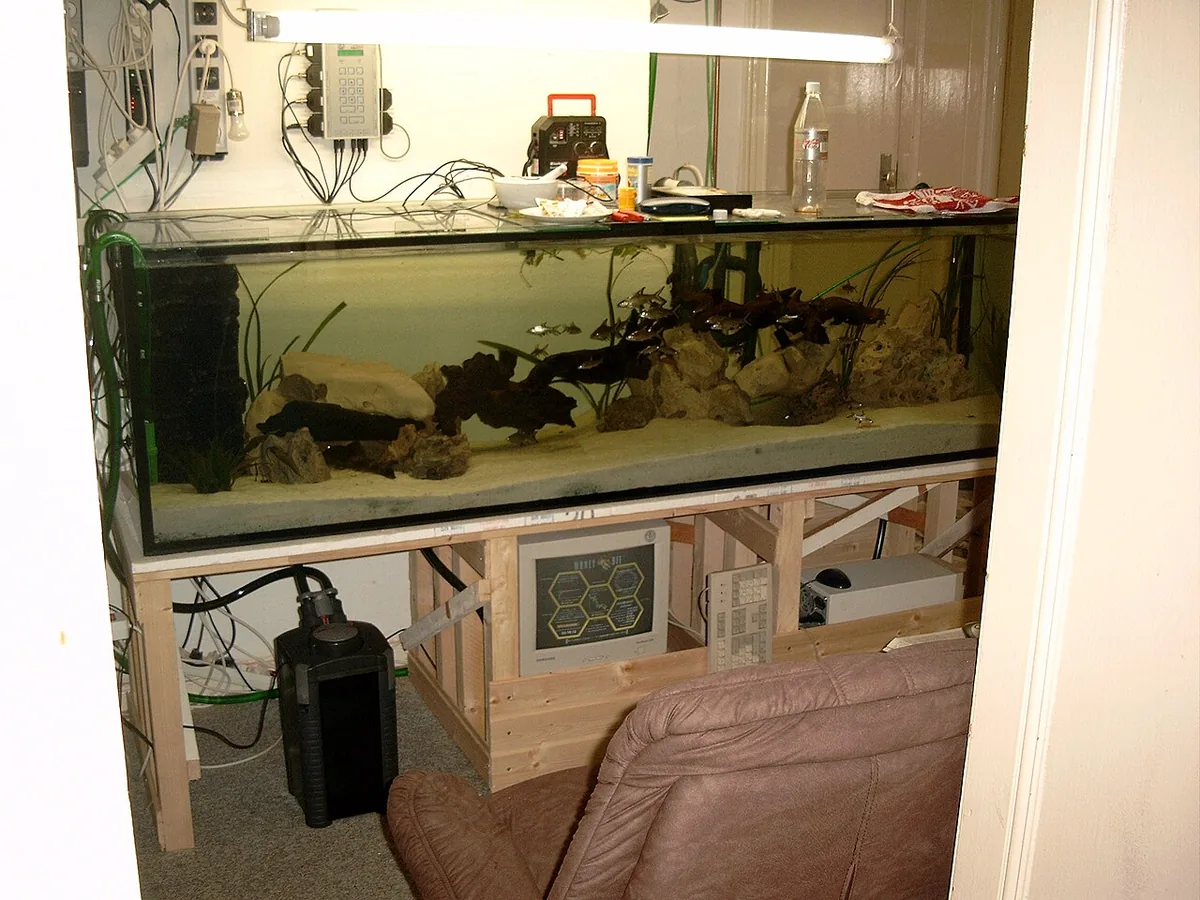
Write down each powered component and its role. Include any controller or outlet arrangement that several devices share. Photograph plugs and label them clearly. Knowing which cord powers the filter is useful when a caregiver has to inspect the system, but electrical work should remain within safe, appropriate limits.
The RSPCA’s fish-health guidance connects poor water quality and oxygen problems with fish distress. Use that principle to discuss priorities for your specific aquarium. Ask what should be monitored during an interruption and what observations require urgent professional advice. Do not assume darkness is the only relevant change.
Choose backup equipment before the outage
Discuss suitable battery aeration, power backup, or other provisions with a knowledgeable professional. Confirm that any chosen device is appropriate for the system and test it according to instructions while you can supervise. Keep batteries, charging information, and replacement requirements with the equipment.
Avoid improvising wiring, overloading extensions, or connecting a device contrary to its manual. A generator must be operated outdoors in accordance with safety guidance; the aquarium is not a reason to use combustion equipment inside a home or garage. Seek qualified electrical advice where installation is involved.
Put limits on household experiments
Keep the aquarium covered or open according to its established safe design, and avoid sudden changes intended to control temperature without guidance. Do not pour hot or icy water into the tank or use unapproved chemicals. Ask the aquatic professional for a specific response plan appropriate to the species and circumstances.
Record temperature and other advised observations without repeatedly disturbing the fish. Discuss feeding during an interruption as part of the plan rather than assuming the ordinary amount remains appropriate. A sitter should know whom to contact before attempting a water change or equipment modification.
Plan the restart as carefully as the outage
When power returns, inspect equipment safely and follow the manufacturer’s restart guidance. Check that water movement and other functions resume rather than assuming every device restarted correctly. Look for leaks, unusual noises, damaged connections, or equipment left disconnected during the interruption.
Continue suitable testing and observation after restoration, and contact an aquatic veterinarian about fish-health concerns. Record outage timing, backup used, and the return to normal operation. Replenish the backup supplies after use. The plan becomes better each time you replace assumptions with a clear, aquarium-specific instruction.
Rehearse with the equipment instructions
Without interrupting the aquarium unnecessarily, use the manuals to walk through where backup items are kept and who may operate them. Check charging or battery condition according to instructions and confirm that the selected backup is compatible with the system. A device still sealed in a box may not be ready to help a caregiver who has never used it.
Write a brief order of actions based on the aquarium-specific professional plan, including safe observation and the contact route. Keep actions involving electrical work outside an untrained caregiver’s role. Ask what happens if the outage begins while nobody is home or continues longer than expected. Those scenarios may require a backup person or a different system, and they are best resolved before a storm. After any real interruption, review the plan against what happened and replenish supplies. Preparation is practical when the instructions are accessible, the equipment is maintained, and the aquarium’s actual needs determine the priorities.
Restore the household record
Once normal operation returns, update the care log with equipment that was disconnected, any substitute device still operating, and tasks awaiting professional review. Tell the next caregiver directly. A backup aerator left in place may be intentional, but it should not become an unexplained change. Clear restoration notes help prevent someone from altering the system because they mistake a temporary arrangement for a forgotten object.
A quick household check
- Inspect the practical arrangement before the animal uses it or the activity begins.
- Show the responsible caregiver the sequence and confirm that they can carry it out.
- Keep the professional contact route available when the usual plan no longer covers a change.
Connect this task to the wider care plan
Preserve useful water measurements and understand the aquarium’s wider biological context with The Fishless Cycle Notebook: Let Measurements Guide Stocking.
Keep contacts, appropriate transport, and caregiver responsibilities available through Your Pet Emergency Care Plan: Contacts, Transport, and Records.
Keep aquarium planning within a safe household emergency arrangement by consulting Include Pets in Your Home Fire Escape Plan.
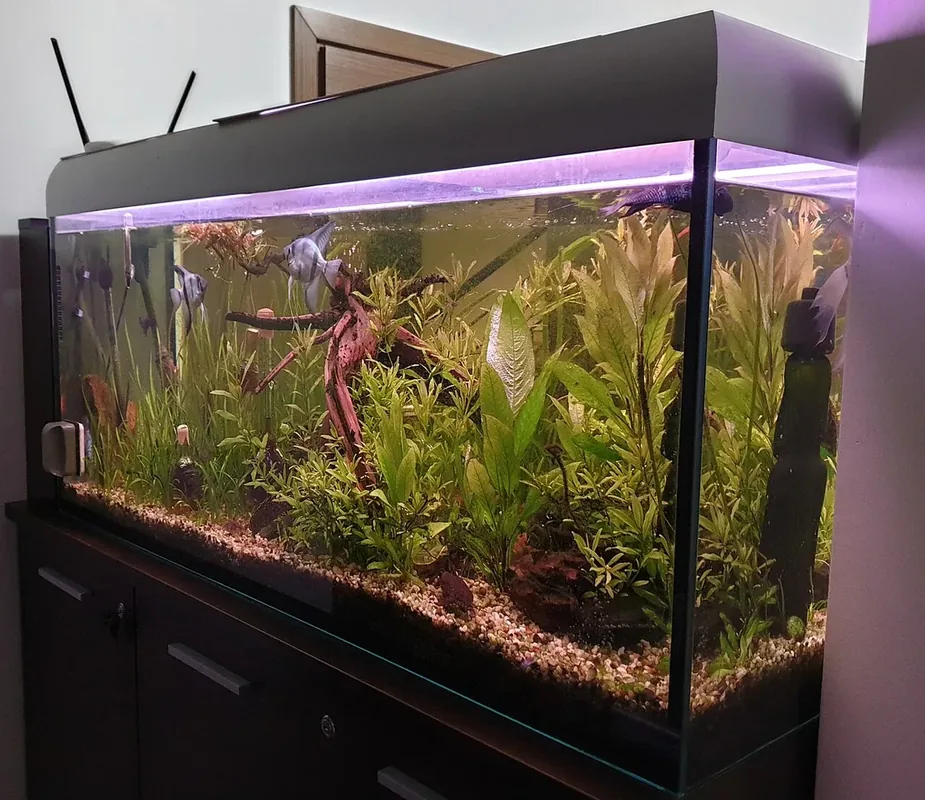
Editorial note: Prepared with AI assistance by Pet Living Magazine using the sources below. This article has not been reviewed by a veterinarian; individual care questions belong with your veterinary team. The photograph is representative editorial imagery, not a demonstration of every recommendation.
Prepared with AI assistance and source checks. General editorial information; no veterinarian-review claim. Report a correction.