Bathing can be a quiet part of a companion bird’s routine when the bird has a suitable opportunity and can choose how to use it. One bird may approach a shallow dish; another may prefer a gentle mist. Start with the bird’s species, health, and established preferences, and ask an avian veterinarian about an unfamiliar or uncomfortable response.
Prepare plain water and a calm setting
The RSPCA’s enrichment guidance describes fine misting with plain, room-temperature water. Use a clean container reserved for the purpose and make sure it has never held chemicals. Do not add perfume, essential oils, soap, or a homemade feather treatment. Read any veterinary instructions before bathing a bird with a medical condition.
Choose a stable surface and a room with safe temperature and no drafts. Keep the bird away from open sinks, deep containers, and cooking areas. The Merck Veterinary Manual lists household water hazards among risks for birds outside cages. A bath opportunity is a controlled setup, not free access to a bathroom or kitchen.
Let approach be voluntary
If offering an appropriate shallow dish, position it so the bird can investigate without losing access to a comfortable perch. Watch from a distance that does not crowd the bird. Do not dunk the bird or restrain it to make bathing happen. If misting is appropriate, begin gently and stop if the bird avoids it or appears uncomfortable.
Keep the session modest and allow time for normal preening afterward. A bird who chooses not to bathe on one occasion has not failed a care task. Record the conditions and try a suitable opportunity another time. Persistent feather or skin concerns deserve veterinary attention rather than more forceful washing.
Keep the equipment separate
Empty bath water promptly and clean the dish or sprayer using an appropriate method. Rinse and dry as directed, and keep it away from food-preparation equipment. Wash your hands after handling the bird and its environment, following CDC hygiene advice. A bath station should be simple enough to maintain after every use.
Check the container for cracks, rough edges, and unstable placement. A lightweight dish that tips as the bird steps onto it can make the next attempt less comfortable. Avoid filling a tray so deeply that the bird must swim or struggle to stand. Seek species-specific guidance when choosing a bath design.
Observe what the bird does afterward
Notice whether the bird returns to normal movement, preening, feeding, and rest. Keep concerning changes factual when discussing them with the avian veterinarian. Do not assume that a bird sitting quietly with wet feathers is necessarily comfortable, or that every feather change can be addressed by bathing.
Plan opportunities at a time that permits observation and comfortable drying, rather than immediately before you leave or turn out the lights. Keep the rest of the day familiar. The aim is a repeatable choice the bird can use safely, with clean equipment and enough attention to notice when the method needs adjustment.
Compare the opportunity, not the amount of splashing
After two appropriate bathing opportunities, note the method, room conditions, time of day, and what the bird chose. One session may involve only investigation and another more active bathing. Do not rank them by how wet the bird became. The record is useful when it identifies a setup the bird can approach comfortably and a method you can maintain hygienically.
Check your preparation and cleanup as well. Was the container stable? Was plain water available at the suitable temperature? Could the bird return easily to a comfortable perch and normal activity? Did you have enough time to observe afterward? Revise the practical issue before changing the bathing method. Share persistent discomfort or feather concerns with the avian veterinarian. A predictable opportunity can remain available without becoming compulsory. The routine succeeds when care is clean, calm, and suited to the bird, rather than when a photograph captures the most impressive spray of water.
Connect this task to the wider care plan
Before a planned out-of-cage activity, inspect the room’s wider hazards using Before the Cage Door Opens: Plan a Safer Flight Room.
Keep contacts, appropriate transport, and caregiver responsibilities available through Your Pet Emergency Care Plan: Contacts, Transport, and Records.
When documenting an animal or its environment, preserve comfort and accurate context with Better Pet Photos Start With the Animal's Comfort.
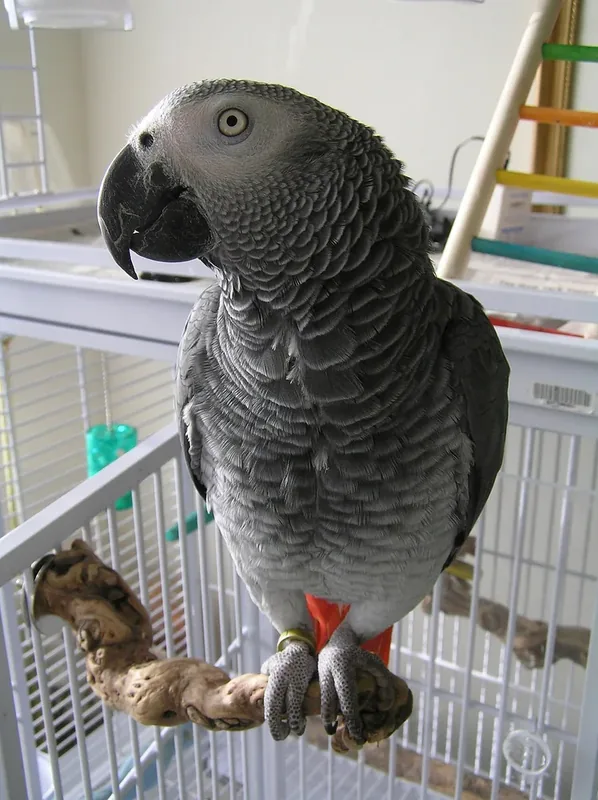
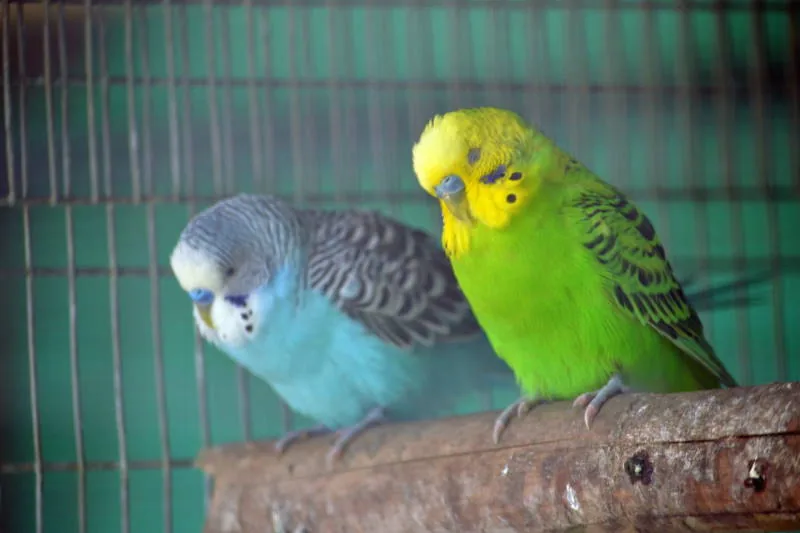
Editorial note: Prepared with AI assistance by Pet Living Magazine using the sources below. This article has not been reviewed by a veterinarian; individual care questions belong with your veterinary team. The photograph is representative editorial imagery, not a demonstration of every recommendation.
Prepared with AI assistance and source checks. General editorial information; no veterinarian-review claim. Report a correction.