A television, a late video call, and a bright hallway can keep a bird’s room busy long after the household thinks the day is over. Evening planning starts by looking at those sources of disturbance. Ask your avian veterinarian about an appropriate light and sleep routine for the species and individual bird, then arrange the room so the routine is actually possible.
Trace the light after dark
Stand near the cage in the evening while the bird is safely settled. Note lamps, screen light, automatic outdoor lights, and illuminated corridors. Check what changes when doors open. A cage placed in a quiet corner during daylight may sit beside the main path to the kitchen after dinner.
Use the RSPCA’s bird-housing guidance as a starting point for a suitable environment, then evaluate your own household. Avoid turning a cage cover into a universal solution. Any cover must be suitable, clean, and arranged without obstructing ventilation or creating heat problems. Some birds need a different room arrangement.
Keep essential access predictable
Check food, water, and the condition of the cage before the household quiets down. Do not rearrange perches in dim light when the bird is using them. Make larger changes at a suitable daytime moment and observe the result. Secure doors and check toys so you are not handling loose hardware at bedtime.
Agree on who handles the final check. A household with several adults can assume somebody else refreshed water. Put a simple completion note where it is useful, and avoid a checklist so complicated that it discourages ordinary observation. The bird’s normal behavior remains part of the check.
Move household activity thoughtfully
Consider whether late calls, music, or laundry can take place elsewhere. Keep unfamiliar visitors from tapping on the cage or trying to wake the bird for a greeting. Tell children that a resting bird is not available for a performance. Respectful household rules do more than repeatedly shushing people after the disturbance.
Keep the environment free of fumes and unsafe temperature changes. Do not move the cage beside a kitchen appliance simply to obtain a darker corner. Ask an avian veterinarian before making major housing changes for a bird with health or behavior concerns. A room should be suitable throughout the night, not just when you inspect it.
Plan for exceptional evenings
A late gathering needs a fallback arrangement prepared beforehand. If a separate room is appropriate, ensure the bird is already comfortable with it and that housing, ventilation, and security are suitable. Do not introduce a new travel cage and a new sleeping room on the same busy evening without guidance.
Record marked changes in nighttime behavior or daytime alertness and discuss them with your veterinary team. Avoid diagnosing a sleep disorder from a household diary. A calm, dependable evening routine can make observations easier, but it does not explain every change or replace professional care.
Audit the room on a late night
Choose an evening when somebody is still awake after the planned quiet period. Check the light reaching the cage, footsteps beside it, screens, and conversations in adjacent rooms. Record what you can change easily and what requires a larger housing decision. Do not repeatedly enter the bird’s space to prove that the routine is working.
Ask household members to name the quiet-period rule and the final care check. If they give different answers, agree on one practical sequence based on the individual care plan. Keep a reminder near the activity that causes disturbance, such as the television or office desk. Review the arrangement after a schedule change rather than expecting the bird to adapt automatically. A late evening is a useful test of the household’s plan because it reveals the habits that a daytime inspection misses. Preserve suitable ventilation, temperature, and security while making the room calmer, and seek avian-veterinary advice when a change affects housing substantially.
Connect this task to the wider care plan
For a budgie, connect household arrangements to the species’ ordinary day using A Budgie’s Day: Make Room for Movement and Company.
For the wider household arrangement around people arriving and leaving, use Hosting Guests When Your Pet Needs Space.
Turn the working arrangement into instructions another caregiver can follow with The Pet Sitter Handoff: What Someone Else Needs to Know.
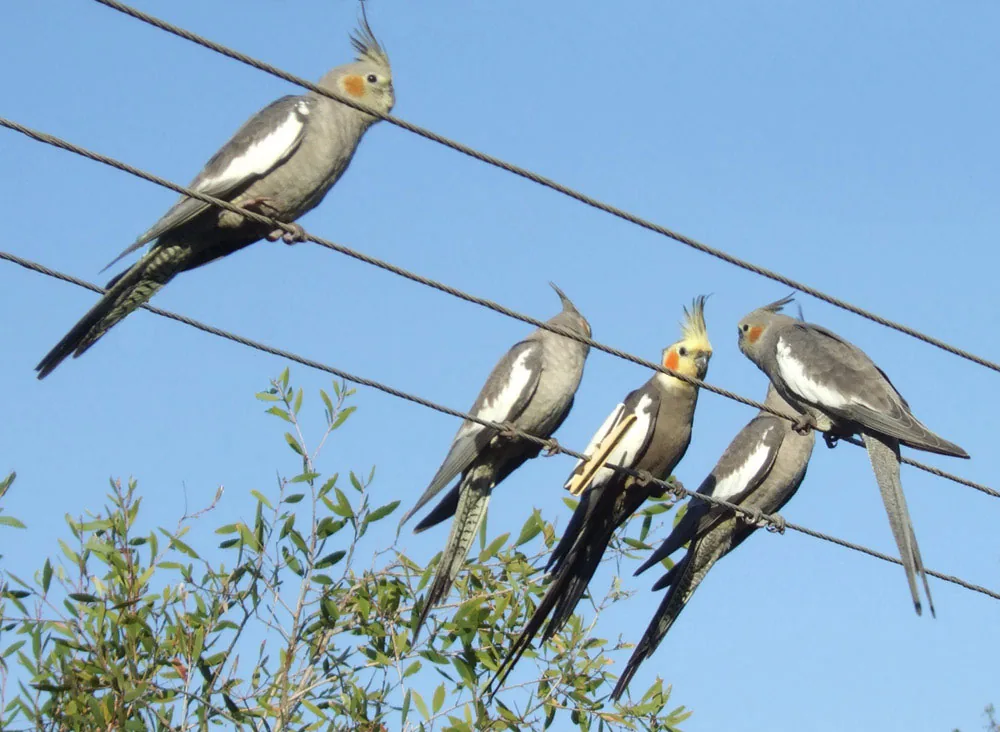
Editorial note: Prepared with AI assistance by Pet Living Magazine using the sources below. This article has not been reviewed by a veterinarian; individual care questions belong with your veterinary team. The photograph is representative editorial imagery, not a demonstration of every recommendation.
Prepared with AI assistance and source checks. General editorial information; no veterinarian-review claim. Report a correction.