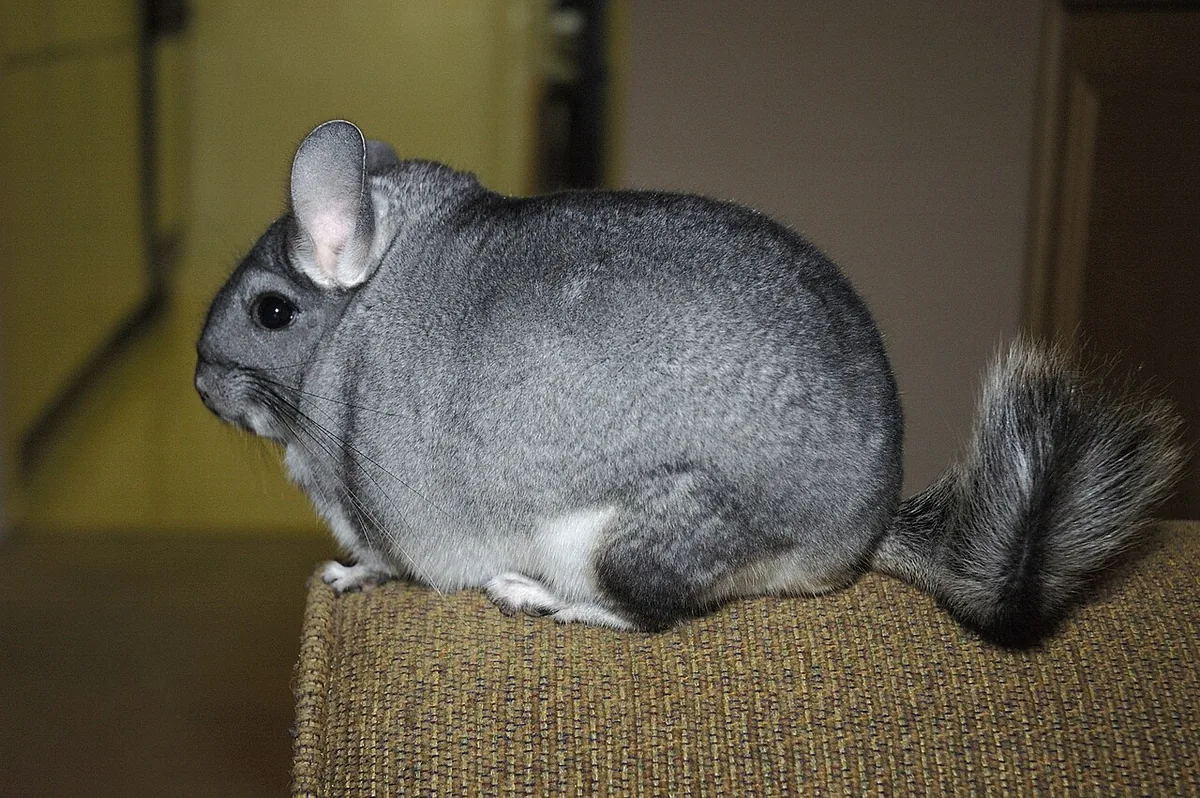
The room around a chinchilla enclosure matters as much as the furniture inside it. A space that stays quiet in the morning may become warm and busy in the afternoon. Plan the location across ordinary daily and seasonal changes before deciding the enclosure is ready.
Compare candidate rooms
The RSPCA recommends dry, ventilated, quiet housing and identifies hot, humid conditions as unsuitable. Its suggested ideal temperature range is 10–18°C. Ask a chinchilla-savvy veterinarian about your animals’ needs and how to manage local conditions rather than assuming an air-conditioned room is always suitable.
Use a thermometer to observe candidate locations over several days. Note afternoon sun, appliance use, heating, and the way temperature changes when doors close. Keep the enclosure away from direct heat sources and choose a location you can monitor reliably.
Make quiet practical
Mark the room’s regular noise sources: television, speakers, vacuuming, doors, and visiting animals. The RSPCA advises keeping chinchillas in calm areas away from predator species. A corner beside a dog’s favorite window may be convenient for people and uncomfortable for the chinchillas.
Choose care times that allow predictable, gentle interaction. Give every household member clear rules about approaching the enclosure, protecting rest, and keeping other pets separated. Quiet is easier to preserve when it is an arrangement everyone understands.
Think about height and inspection
Inside the enclosure, review platforms, transitions, and potential falls. Avoid a dramatic open drop that prioritizes appearance over safe use. Appropriate shelves and hides should remain secure as animals move and chew. Select materials with knowledgeable species-specific guidance, and inspect them regularly.
Choose a layout that lets you see resource access and perform cleaning without repeatedly dismantling every resting area. A familiar safe hide should remain available. New accessories can be introduced gradually rather than as a wholesale redesign.
Give the dust-bath routine a place
Use appropriate chinchilla bathing material and veterinary or reliable species guidance. The RSPCA describes providing a suitable dust bath and removing or cleaning it after use. Plan where the equipment is stored and how it is kept free of contamination. Do not substitute household powders because they resemble bathing dust.
Write the care sequence down: prepare approved equipment, supervise as appropriate, return items to storage, and inspect the surrounding area. Keeping supplies separate makes it harder for a caregiver to confuse bathing material with food or litter.
Prepare for a warm-day change
Identify whom to contact and where the animals can be safely housed if the room no longer remains suitable. Check the actual conditions before moving them; another room is not automatically cooler. Sudden weakness, unusual breathing, or other concerning changes require prompt veterinary advice.
A thoughtful room plan does not need to be elaborate. It needs to remain calm, monitorable, and comfortable when weather and household routines change.
Editorial note: Prepared with AI assistance by Pet Living Magazine using the sources below. This article has not been reviewed by a veterinarian; individual care questions belong with your veterinary team.
Prepared with AI assistance and source checks. General editorial information; no veterinarian-review claim. Report a correction.