A knock at the door can turn an ordinary room into a busy crossing: coats arrive, children hurry inside, someone carries a tray, and the dog wants to investigate. A visitor plan begins before that moment. It gives people clear instructions, gives the dog somewhere comfortable to go, and makes a quiet visit possible even when nobody meets the dog at all.
Start with the visit you can manage
Write down who is coming, how long they will stay, whether children will attend, and which doors will be used. A two-person coffee visit needs a different arrangement from a birthday party. Ask visitors about dog allergies or discomfort in advance. Do not assume a friendly dog makes every guest comfortable, or that a familiar guest makes every dog comfortable.
The RSPCA’s guidance on children and dogs emphasizes adult supervision and respecting a dog’s space. Apply that principle to the floor plan: children’s play should not occupy the dog’s resting corner, and the dog should not need to pass a cluster of children to reach water. An adult should actively supervise any interaction. If attention must shift to cooking or the door, separate the dog and children securely.
A dog with a history of growling, snapping, guarding, panic, or difficulty recovering after visitors needs an individual plan from a veterinarian and qualified reward-based behavior professional. Do not use this visit as a test of whether the problem has disappeared. Tell the professional what the gathering will involve and what secure separation is available. Declining introductions can be the most considerate choice for everyone.
Make the resting option familiar first
Choose a quiet space the dog already uses willingly. It might be a bedroom with a comfortable bed, or a gated area away from the entrance. A crate is an option only for a dog already comfortable in that crate; a gathering is a poor time to introduce confinement. Check temperature, ventilation, water access, and the condition of the barrier. Remove accessible medicines, cords, food, and unsuitable objects.
Spend ordinary time with the dog in that space before the visit. Give access when the house is quiet so the location does not become a signal that exciting people have arrived and the dog is suddenly excluded. You can offer familiar, appropriate enrichment if the dog uses it safely. Check that the dog can rest, move comfortably, and obtain help rather than leaving a distressed dog to cope alone.
The RSPCA’s safe-space resource recommends giving dogs an undisturbed place to rest. The practical household rule is simple: nobody follows the dog into that area for a cuddle, photograph, or greeting. Put the instruction on the door if visitors may forget. A retreat works only when the people in the home agree to honor it.
Stage the arrival in two parts
Before the doorbell rings, have the dog in the planned area or under calm control away from the entrance. One person handles the door while another handles the dog, if two adults are available. Ask guests to come inside, put down bags, and settle before any optional introduction. This removes the moment when hands are full and the front door remains open.
Do a rehearsal without guests. Carry a bag through the doorway, close the door, and walk to the seating area. Notice where you must stop to move shoes, where the gate swings, and whether the dog’s lead would cross a walking route. Fix those problems now. Training cannot compensate for a gate that does not latch or a hallway full of trip hazards.
Keep arrival rewards prepared if food is appropriate for your dog, but do not ask several visitors to hold treats at once. That can pull the dog into a crowd and make it difficult to see how the dog feels. Count treats within the daily feeding plan and choose a delivery method the dog can manage calmly. Guests should never give unapproved food from the table.
Let introductions remain optional
If an introduction is appropriate, begin with one settled adult in a roomy area. Ask the visitor to avoid reaching over the dog, looming, or leaning face-to-face. The dog can approach and move away. The person does not need to touch the dog for the encounter to be successful. Quiet coexistence is a useful result.
Keep your attention on the whole scene. A dog moving behind you or away from a reaching hand is giving you useful information about the interaction, whatever the underlying reason. Create more distance and stop the greeting. Avoid interpreting every tail movement as an invitation. Your aim is to notice a change early enough to make the next choice easy.
Do not hold the dog in place for a guest who wants a photograph. Avoid passing the lead around so everyone can take a turn. A handler who knows the dog’s routine should retain responsibility. If guests will not follow the instructions, end the interaction and use the secure resting arrangement. The household’s plan should not depend on persuading a reluctant visitor repeatedly.
Plan children’s participation separately
A child can help prepare a water bowl or place the dog’s bedding while the dog is elsewhere. Those activities make the child part of caring for the animal without requiring close contact. An adult can explain that resting, eating, and carrying a toy are times to leave the dog alone. Practice the rule before relatives arrive, rather than announcing it only after an incident.
For any permitted interaction, choose a short, simple activity that an adult can supervise closely. Stop while the dog and child can both move away comfortably. Do not invite children to hug, climb on, chase, corner, or take objects from the dog. If the room becomes noisy, make separation the next step rather than demanding that either participant continue.
Put supervision responsibility into words. “Someone is watching” is unreliable when four adults each assume another person has the task. Name the adult who is supervising and agree when that responsibility changes. If that person needs to answer the phone, the interaction pauses. No explanation of breed, training history, or previous behavior replaces this arrangement.
Make food and personal belongings part of the plan
Visitors bring handbags, medication, sweetened gum, and snacks that may create hazards for dogs. Provide a closed storage place for bags instead of putting them on the floor beside the sofa. Tell guests where coats belong and keep the door to that storage area shut. Ask anyone who needs medication during the visit to keep it secured afterward.
Set the dining arrangement so the dog cannot reach plates or dropped food. If separation is needed during a meal, arrange it before serving. Ask guests to tell you about a spill promptly. Keep cleaning supplies secured while dealing with it. A dog should not have to be chased away from a spill while several people hold plates above its head.
Protect toys and chews from being casually handled. Guests sometimes pick up an object to start a game without knowing whether the dog will release it comfortably. Offer a planned activity only when you know it is suitable, or choose quiet company instead. If the dog guards resources, follow the professional plan and keep people away from those resources.
Give the visit an easy ending
Departures create another period of open doors, missing shoes, and excited movement. Return to the arrival arrangement before guests stand up. Make sure the dog is securely away from the outside door while bags are collected. Ask guests to say goodbye to people first; the dog does not need a final round of contact.
Afterward, offer the dog its ordinary routine. Avoid adding an energetic game simply because you feel the dog missed out. Notice how readily the dog returns to familiar activities and rest. Write down practical details: which location worked, whether the gate was easy to use, and where you needed more distance. These are observations to share, not a diagnosis.
For the next gathering, keep the parts that worked and simplify those that required constant intervention. A shorter visit, fewer introductions, or complete separation can all improve the experience. Success means the household and dog had a manageable afternoon. It does not require every guest to leave with a selfie.
A rehearsal for a busy household
Choose one quiet afternoon and run the plan without guests. Start with the dog comfortable in its usual resting arrangement. One adult carries coats through the doorway and puts them in the intended storage location. Another checks the barrier and dog’s water access. Then both walk the route to the seating area, noticing where a bag, shoe, or chair narrows the space. Write down one practical change and make it before repeating the rehearsal.
Ask a second household member to explain the sequence without looking at the original notes. If they cannot remember when the outside door opens, shorten the rule and place it beside the latch. If the dog becomes uncomfortable with the resting arrangement, seek help before extending the separation. The rehearsal is for the people as much as the animal: it checks whether your plan still works when hands are full and attention is divided. Keep the final instruction short enough that a visitor can follow it on arrival.
A quick household check
- Inspect the practical arrangement before the animal uses it or the activity begins.
- Show the responsible caregiver the sequence and confirm that they can carry it out.
- Keep the professional contact route available when the usual plan no longer covers a change.
Connect this task to the wider care plan
If your dog already enjoys mat practice, keep the resting cue clear and voluntary with Teach a Settle Mat Without Turning Rest Into a Performance.
For the wider household arrangement around people arriving and leaving, use Hosting Guests When Your Pet Needs Space.
Check the surrounding rooms for accessible products, medicines, and unsuitable objects with A Room-by-Room Pet Poison Prevention Walkthrough.
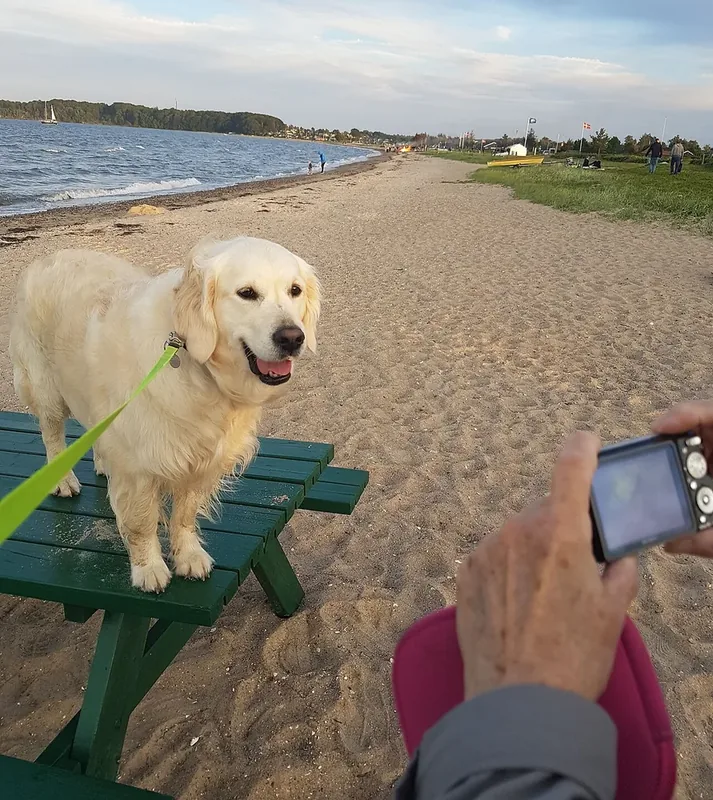
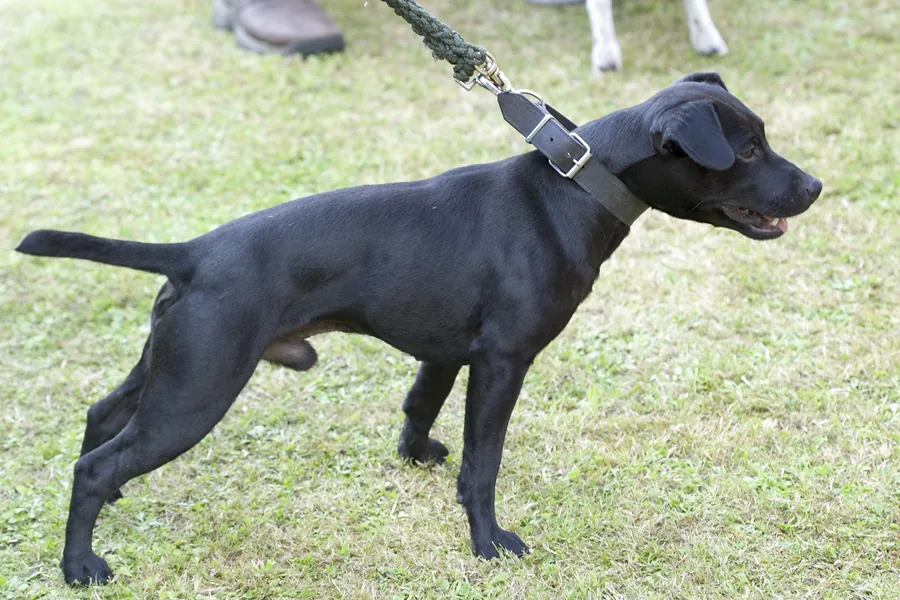
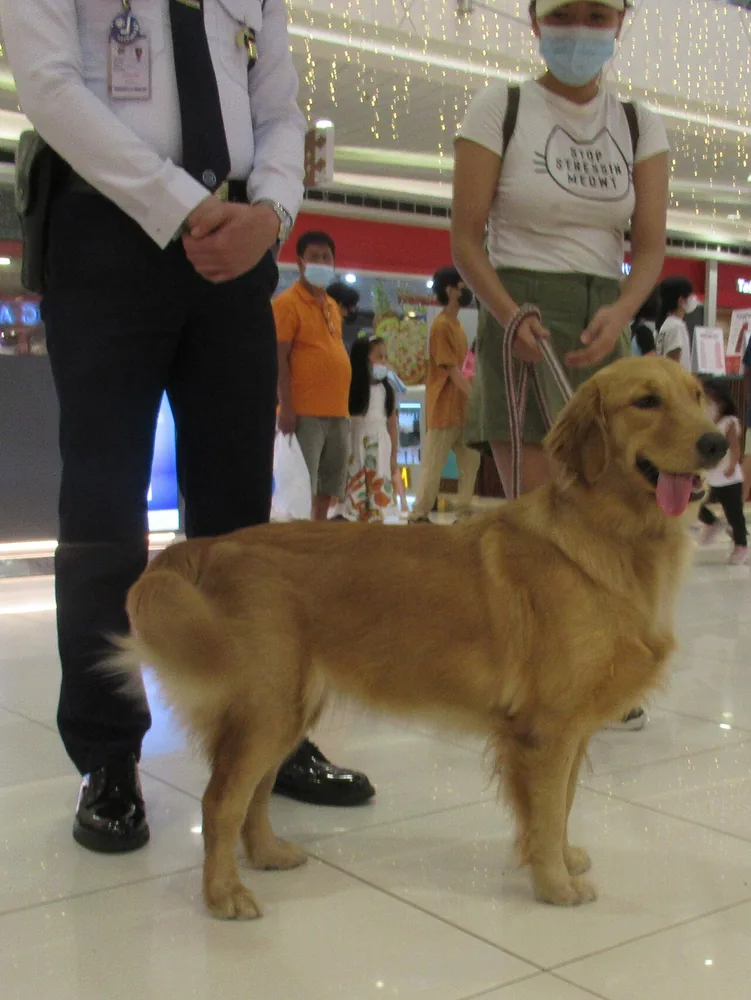
Editorial note: Prepared with AI assistance by Pet Living Magazine using the sources below. This article has not been reviewed by a veterinarian; individual care questions belong with your veterinary team. The photograph is representative editorial imagery, not a demonstration of every recommendation.
Prepared with AI assistance and source checks. General editorial information; no veterinarian-review claim. Report a correction.