An exercise space looks large to a person standing above it. To guinea pigs, that same space can feel exposed if the route has no cover. Build floor time around refuge and safe boundaries first, then add suitable opportunities to explore. The setup should preserve compatible companionship, protect access to familiar resources, and allow calm supervision at ground level.
Make the boundary dependable
Choose a secure indoor area with appropriate temperature, reliable footing, and no access to cords, unsuitable plants, gaps, or other animals. Inspect from floor level. A guinea pig can reach under furniture that seems safely out of the way to an adult. Do not use an unsecured outdoor space as an equivalent alternative.
The RSPCA’s guinea-pig housing guidance recommends refuge areas and a calm environment. Position suitable hides so the animals do not have to cross the entire open floor to reach cover. Check entrances and spacing for the individuals using them. Avoid designs that create a tight dead end where one animal can block another.
Transfer without a chase
Use a handling or transfer method your guinea pigs already tolerate, with guidance from an experienced caregiver or veterinarian. Support the animal appropriately and work close to a safe surface. Do not chase guinea pigs around their enclosure to begin what is supposed to be a relaxed activity.
Keep compatible companions together according to their established care plan. Floor time is not a way to introduce unfamiliar animals casually, and rabbits are not substitute companions. If a new arrangement changes relationships or causes distress, stop and obtain appropriate advice rather than relying on the size of the space.
Add a small exploration choice
Begin with familiar hides and a modest layout. Offer appropriate forage or enrichment within the established feeding plan, leaving water and normal feeding available as needed. A tunnel can add interest when it is suitably sized, stable, clean, and easy to exit. Check that materials cannot collapse, splinter, or create an ingestion hazard.
Observe rather than repeatedly rearranging. Some guinea pigs emerge quickly; others spend more time in refuge. Staying hidden is information about the situation, not a reason to remove the hides. Adjust the environment and seek help if the animal remains distressed or shows a concerning change.
End with a calm return
Return the animals before the space becomes noisy or supervision needs to stop. Check the floor for waste and loose enrichment pieces, clean appropriately, and wash your hands. Record anything practical you would change, such as a tunnel that rolled or a gap you had to block.
Keep an unexpected decline in movement, eating, or comfort on the veterinary radar. Exercise planning should not conceal illness. A good floor-time space becomes a familiar, manageable extension of the guinea pigs’ home, with refuge close enough that exploring remains a choice.
Test the setup before transfer
Place the hides, boundaries, and suitable surfaces while the guinea pigs remain in their normal secure home. Check every edge and exit from floor level. Gently test whether a tunnel rolls or a hide tips, without using an animal to discover the problem. Make sure the caregiver can reach the area without stepping across the animals’ likely route.
Have the approved return arrangement ready before the session starts. If you need to leave or another pet enters the room, there should be a calm way to end the activity immediately. Afterward, note what the animals used and what remained ignored, without removing refuge to obtain more visible movement. Compare several ordinary sessions rather than expecting instant exploration. The practical outcome is a familiar space where cover, safe movement, supervision, and return all work together. It should be easy enough to rebuild accurately and simple enough to clean without leaving loose pieces or hazards behind.
Connect this task to the wider care plan
Preserve the guinea pigs’ established compatible social arrangement by reviewing Two Guinea Pigs, One Thoughtful Plan.
If adoption involves an established compatible pair, prepare the household with Adopting a Bonded Pair: Two Pets, One Thoughtful Decision.
Check the surrounding rooms for accessible products, medicines, and unsuitable objects with A Room-by-Room Pet Poison Prevention Walkthrough.
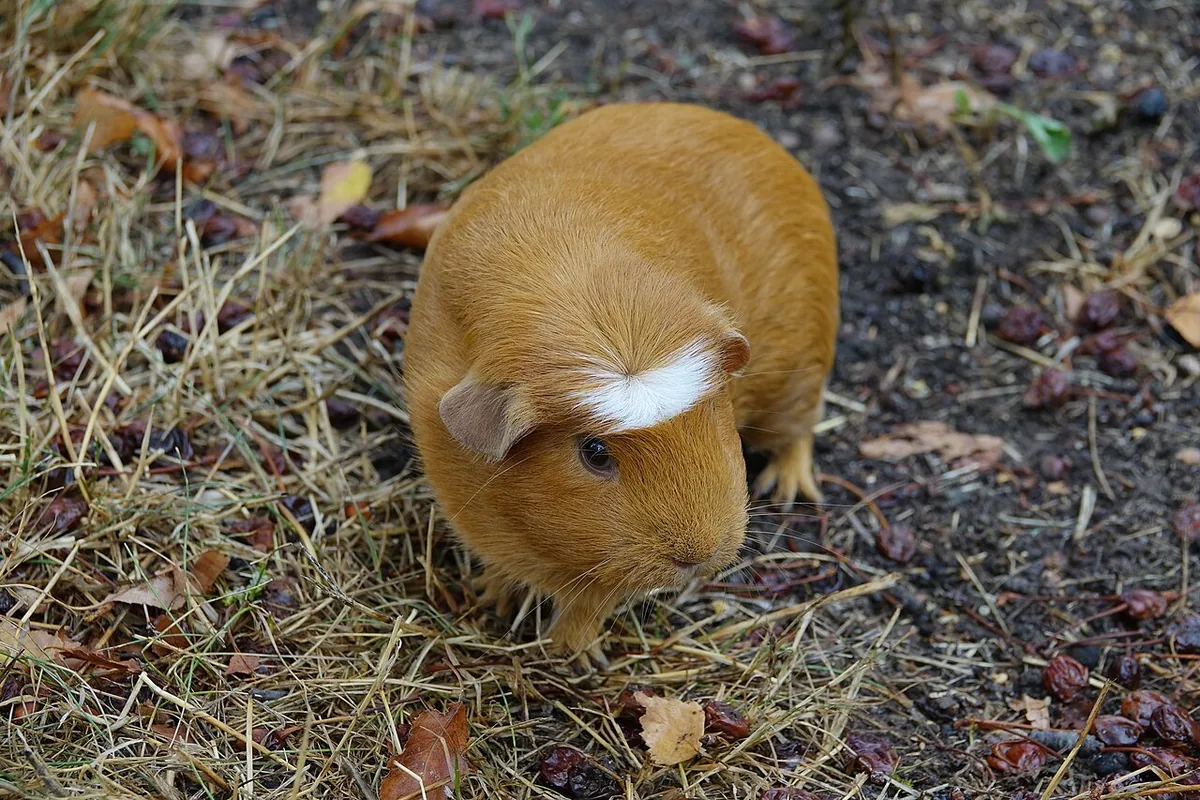
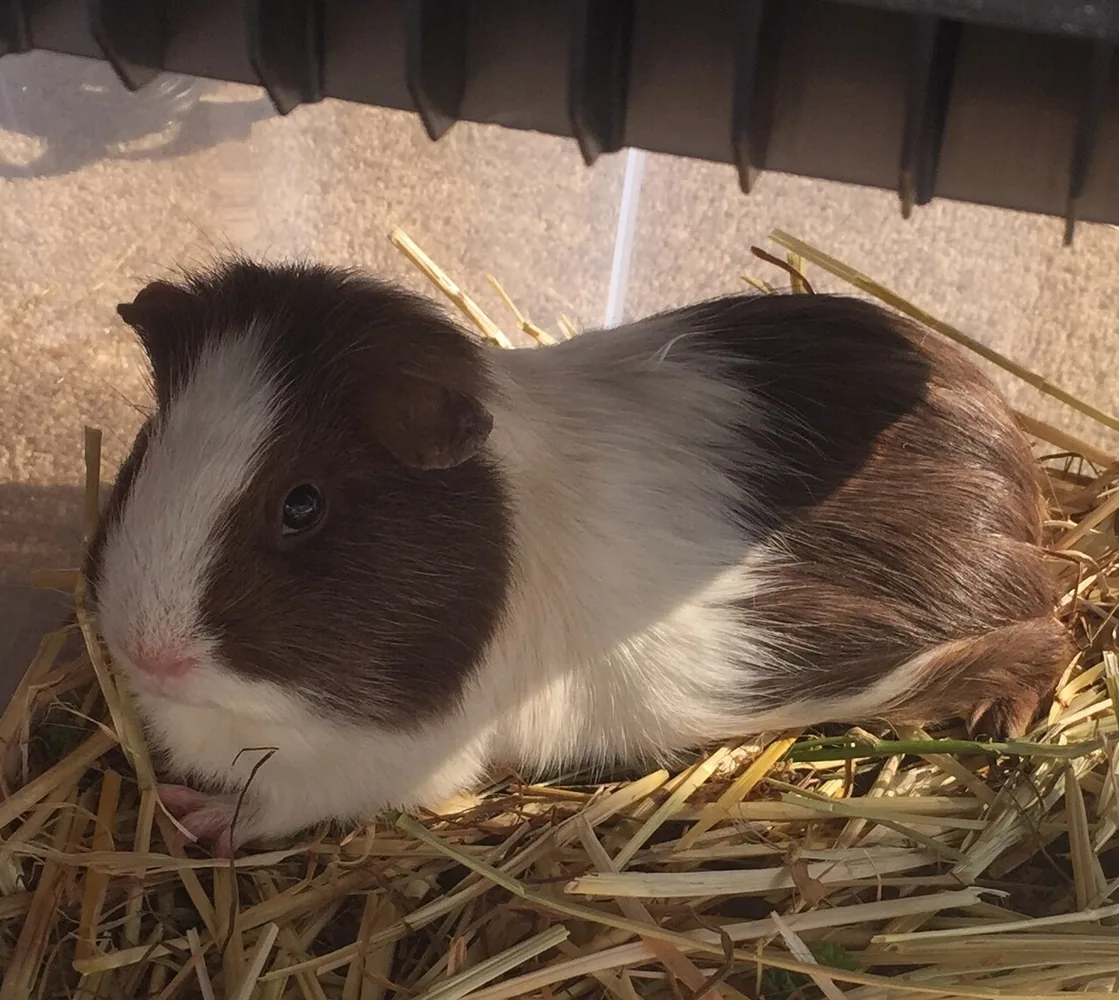
Editorial note: Prepared with AI assistance by Pet Living Magazine using the sources below. This article has not been reviewed by a veterinarian; individual care questions belong with your veterinary team. The photograph is representative editorial imagery, not a demonstration of every recommendation.
Prepared with AI assistance and source checks. General editorial information; no veterinarian-review claim. Report a correction.