When several people care for one animal, the moment between preparing and recording a dose deserves attention. A chart checked too early can say a medicine was given when it was not; a chart checked too late can leave another caregiver ready to repeat it. Build the handoff around the veterinary prescription and a record of what actually happened.
Keep the prescription authoritative
Retain the original labeled container and written instructions. Record the pet’s identity, medicine, prescribed amount, timing, administration method, and any specific storage requirements exactly as provided. Do not translate units or round a dose for convenience. Ask the veterinary team to clarify anything that two caregivers interpret differently.
FDA guidance on veterinary medication errors encourages clear communication and safe storage. Keep each pet’s medicines separate from people’s medicines and from those prescribed to other animals. Use a secure location that children and pets cannot access; a high shelf or child-resistant container may still be reachable or chewable.
Record after administration
Use one dated record with a row for each scheduled dose and space for time and caregiver initials. Mark completion immediately after the medicine is given, then secure the container. Record refusal, spitting out, vomiting, or uncertainty plainly. A tick should never conceal doubt about how much the animal received.
Ask the veterinarian in advance what to do for a missed or uncertain dose. Do not automatically repeat, double, split, or stop medication. Different products require different responses. Keep the clinic and out-of-hours contact details with the chart so a question does not become a household experiment.
Demonstrate the exact equipment
Have the veterinary team show the responsible caregivers how to use the prescribed measuring or administration device. Label the device appropriately and keep it with the correct medicine. A kitchen spoon or another pet’s syringe is not an equivalent replacement. Confirm whether a liquid needs mixing or a tablet can be altered before making any change.
If food is used for administration, ask whether the prescribed medicine may be given that way and which food is suitable for the pet. Keep the portion and method consistent with instructions. Do not crush a tablet or empty a capsule simply because it is difficult to give intact.
Make shift changes explicit
The outgoing caregiver identifies the last confirmed dose, any uncertainty, and the next scheduled task. The incoming caregiver checks the same record rather than relying solely on a chat message. If care changes hands frequently, designate one person to coordinate updates from the clinic.
For a suspected overdose, wrong medicine, or adverse reaction, contact veterinary care immediately and provide the container and timing information. Do not wait to see whether a paperwork correction solves the problem. A good handoff protects clarity precisely when ordinary life is busy and the animal’s treatment needs to remain dependable.
Test the chart with an empty rehearsal
Use the written prescription and an empty practice container to walk through the routine with each authorized caregiver. They should identify the pet, find the correct labeled medicine, describe the prescribed instructions, and locate the completion record. Do not administer an extra dose for rehearsal. Have the veterinary team demonstrate any technique or measurement that is unclear.
Next, ask how uncertainty would be recorded. A missed, refused, or partially received dose needs a factual note and the agreed veterinary contact route, not a completed tick. Clarify that caregivers must not estimate a replacement dose on their own. Keep the record available at the actual administration location while protecting sensitive information appropriately. This rehearsal can expose a label that is difficult to read, a device stored with the wrong medicine, or a chart located too far away to use promptly. Correct the practical issue before the next scheduled dose and keep the current instructions authoritative.
Keep these details together
- Identity
- Name the animal, product, or equipment precisely so another caregiver can find the correct record.
- Current instruction
- Keep the dated professional or manufacturer guidance available beside the working routine.
- Completed action
- Record what actually happened, including uncertainty, before handing care to the next person.
Connect this task to the wider care plan
Bring factual observations and the relevant routine to a clinical conversation with Bring the Story: Build a Useful History for Your Next Vet Visit.
Assign responsibilities explicitly so the household does not rely on assumptions by using A Family Pet Care Agreement That Actually Works.
If care needs additional coordination or professional support, build clear responsibilities with Build a Reliable Care Team for a Pet With Extra Needs.
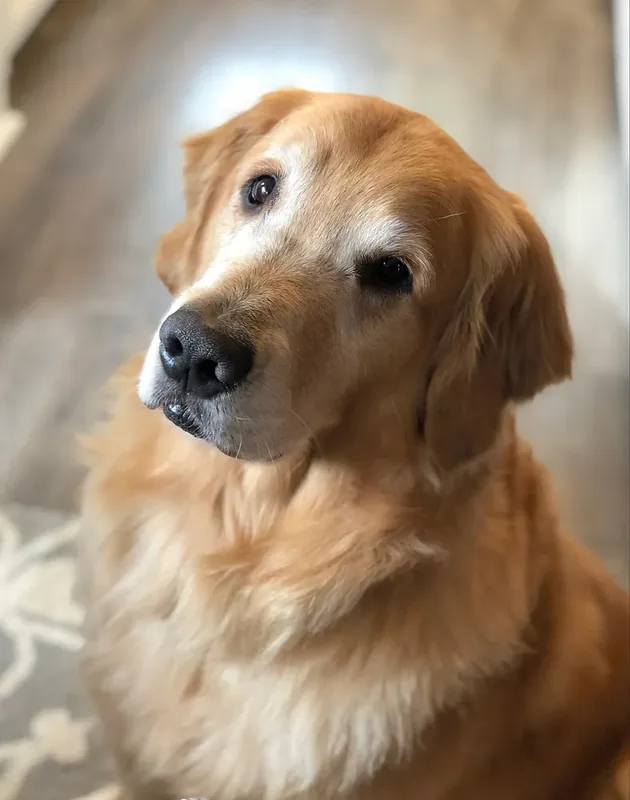
Editorial note: Prepared with AI assistance by Pet Living Magazine using the sources below. This article has not been reviewed by a veterinarian; individual care questions belong with your veterinary team. The photograph is representative editorial imagery, not a demonstration of every recommendation.
Prepared with AI assistance and source checks. General editorial information; no veterinarian-review claim. Report a correction.