A training appointment begins before the first exercise. Ask how the trainer works, what tools they use, and how they respond when a dog is frightened or struggling. Clear answers help you judge whether the service fits your animal and household. A promising title, a large following, or a guarantee of fast results is not enough information on its own.
Ask about methods in concrete terms
Request a description of what happens when the dog gives the desired response and when it does not. Ask directly about physical corrections, intimidation, and equipment intended to cause discomfort. AVSAB recommends reward-based methods for all dog training and behavior modification and advises against aversive approaches.
Do not settle for a label such as balanced or positive without an explanation. Ask what a sample session would look like for your actual concern. A trainer should be able to describe the setup, rewards, breaks, and adjustments in plain language without needing the dog to experience a demonstration of punishment.
Clarify qualifications and scope
Ask about relevant education, current credentials, continuing learning, and experience with cases like yours. Verify claims with the issuing organization where appropriate. AVSAB does not endorse individual trainers or organizations, so a claim of AVSAB approval needs careful scrutiny.
Ask when the trainer refers to a veterinarian or veterinary behaviorist. Sudden behavior changes, possible pain, severe anxiety, aggression, or other complex concerns may need clinical assessment. A trainer should not prescribe medicine or dismiss the possibility of a medical contribution without appropriate veterinary involvement.
Find out how the dog can pause
Ask how sessions change when the dog becomes uncomfortable, tired, or unable to respond. Look for a practical plan to reduce difficulty, allow rest, and protect the dog’s ability to disengage. A fixed session length should not require an animal to continue through distress.
Explain household constraints: children, mobility, work schedule, other pets, and available space. The plan must be something caregivers can carry out safely. Ask who participates, what homework involves, and how progress is reviewed. Written instructions should identify manageable tasks rather than vague demands for leadership.
Review the service terms before booking
Read pricing, cancellation rules, equipment expectations, and what is included in follow-up. Be cautious about guaranteed outcomes or a rigid timetable for complex behavior. Ask how concerns or disagreements are handled and whether you can stop an exercise that feels unsafe.
Keep a record of the answers and compare services using the same questions. A suitable trainer offers clear methods, appropriate professional boundaries, and a plan that can adapt to the dog. The decision should make the next step easier to understand, not leave you wondering what will happen after you hand over the lead.
Compare answers on one page
Use the same questions for each potential service: methods, equipment, qualifications, veterinary referral, response to distress, household practice, and follow-up terms. Write the answer in plain language rather than copying promotional slogans. If a response remains unclear, request a concrete example before booking. Keep unverified claims marked as unverified.
Discuss the answers with the household adults who will carry out the plan. A service may sound appealing while asking for work that your caregivers cannot perform safely or consistently. Raise that constraint directly with the trainer. For complex concerns, involve the veterinary team in selecting appropriate support. Do not use a guaranteed timetable as the main comparison point. The page should help you evaluate fit, transparency, and humane practice while preserving your ability to stop an exercise that feels unsafe. A useful booking decision leaves you understanding the next session and the professional boundaries, rather than hoping a confident presentation will resolve the uncertainty once the dog arrives.
Request written instructions after a session
Ask how the trainer records the tasks, criteria for making them easier, and circumstances requiring contact or veterinary referral. Keep those instructions accessible to participating caregivers. A plan should not depend on remembering every spoken detail from a busy lesson. Written follow-up also gives you something concrete to discuss if the household cannot carry out an exercise safely or the dog’s response changes.
Connect this task to the wider care plan
Keep reward timing and the training message understandable by beginning with Your First Marker-Training Session: Make the Message Clear.
Prepare identification, history, and questions for an individual veterinary assessment with Make Your Pet's First Veterinary Visit Count.
Keep this task within a wider balance of movement, interaction, and rest using Map Your Dog’s Week Beyond the Long Walk.
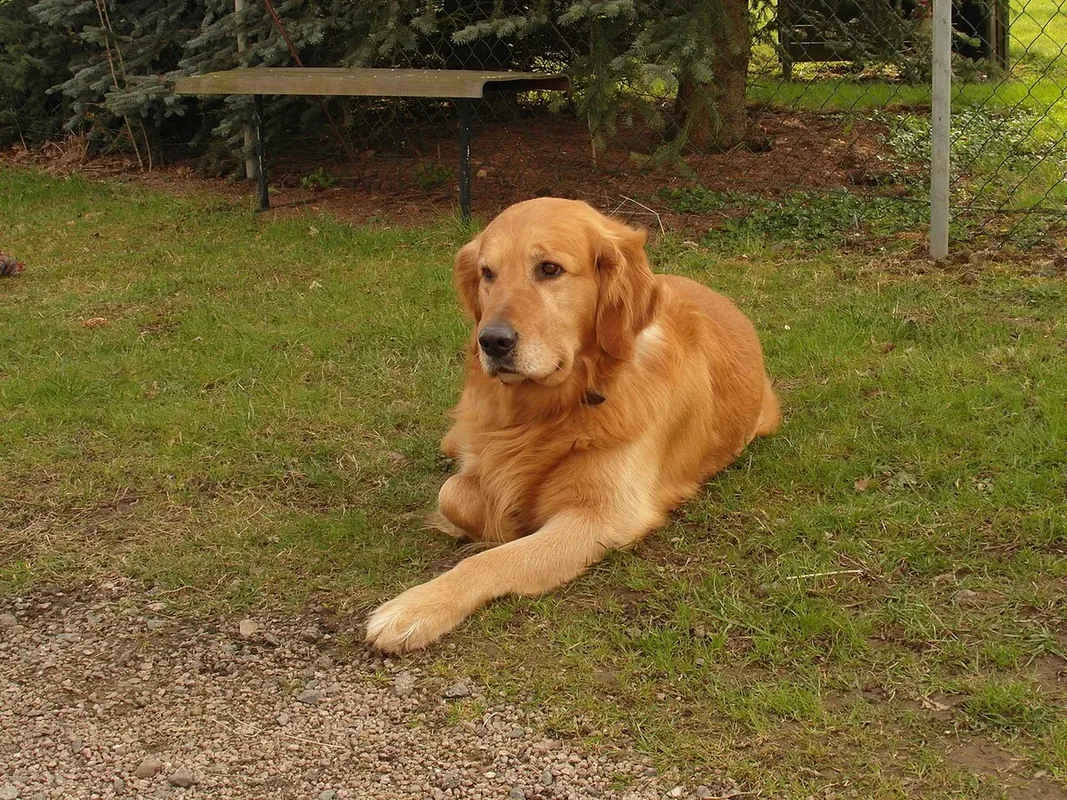
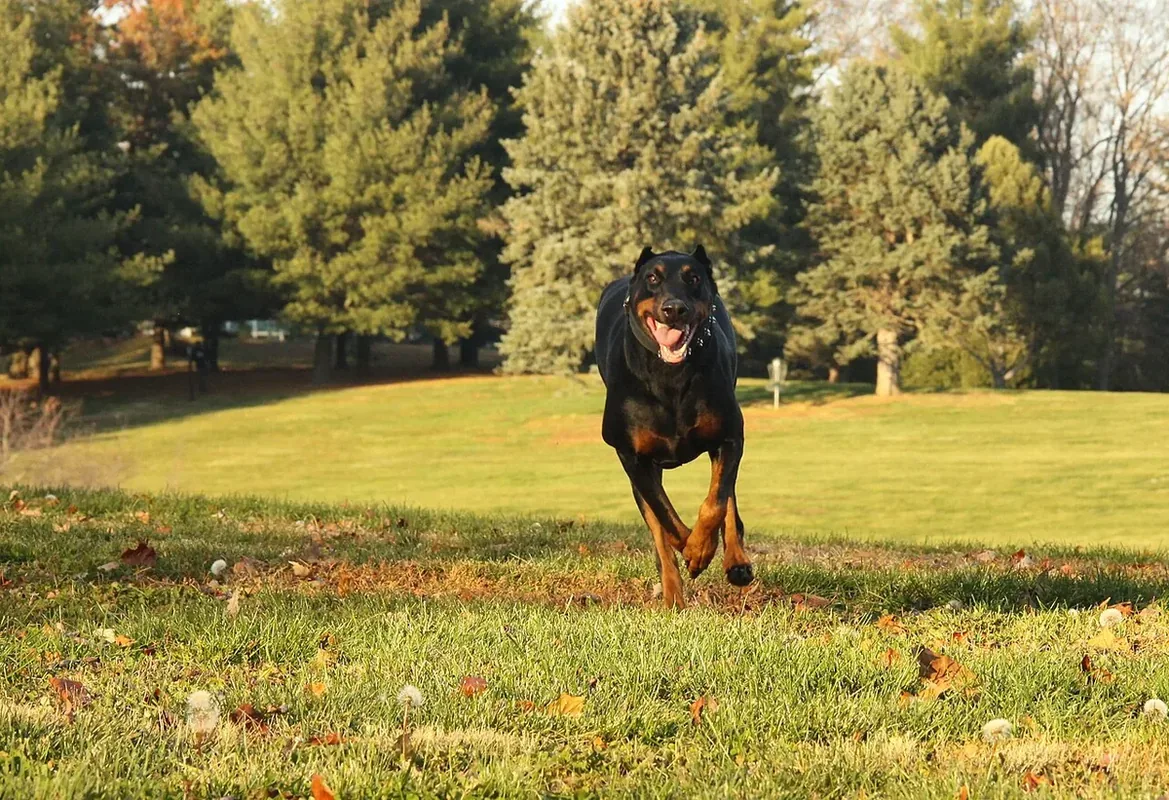
Editorial note: Prepared with AI assistance by Pet Living Magazine using the sources below. This article has not been reviewed by a veterinarian; individual care questions belong with your veterinary team. The photograph is representative editorial imagery, not a demonstration of every recommendation.
Prepared with AI assistance and source checks. General editorial information; no veterinarian-review claim. Report a correction.