A tortoise becoming less active as the season changes does not give a household enough information to start hibernation. Species, age, health, past care, and environmental conditions all matter. Arrange a reptile-veterinary conversation early, and use a question sheet to make the advice concrete before changing heat, food, or the enclosure.
Confirm the species and individual history
Bring identification records and a clear photograph if species identity is uncertain. Tell the veterinarian how long you have cared for the tortoise, where it came from, and what previous seasonal care involved. Do not borrow a schedule from another keeper without confirming that it applies to your animal.
The RSPCA’s tortoise guidance warns about inadequate care around hibernation and emphasizes veterinary advice. Some species do not hibernate, and an individual animal may need a different plan. Ask directly whether hibernation is appropriate this year. “It has always done this” is useful history, not a substitute for assessment.
Bring the habitat details
Record enclosure layout, heating and lighting equipment, recent readings, feeding, activity, and any relevant weight records you already keep safely. Note when changes started. Photographs of the whole setup help the veterinarian see conditions that a short description may miss. Avoid deliberately altering the habitat to make the pictures look better.
Ask which measurements the veterinarian wants and how to obtain them appropriately. Do not introduce prolonged handling or repeated weighing merely to fill a spreadsheet. If you notice illness, injury, unusual breathing, or other concerning changes, contact the clinic promptly rather than waiting for the seasonal appointment.
Ask for explicit decision points
Request written guidance covering the plan, monitoring, circumstances that require a call, and who to contact outside normal hours. If hibernation is not appropriate, ask how to maintain suitable ongoing care. If it is appropriate, follow the individual professional plan; this article is not a temperature, fasting, or duration protocol.
Clarify how the household will manage travel and caregiver changes. A seasonal plan requiring monitoring cannot depend on someone who is away for several weeks. Confirm suitable equipment, backup arrangements, and responsibility before starting. Ask what to do if a component fails or the planned conditions cannot be maintained.
Review advice before making changes
Repeat the instructions back to the veterinary team and resolve conflicting information while you are there. Keep the plan dated and specific to the tortoise. Label any equipment or records so another caregiver cannot confuse them with a different reptile’s routine.
Make the next review appointment or reminder according to the plan. Seasonal care is easier when decisions happen before the household is rushed. The best preparation is an informed, individual conversation that connects the tortoise’s health with the habitat and the caregiver’s ability to maintain it safely.
Bring a one-page appointment sheet
Divide the page into three sections: identification and history, current habitat and observations, and questions requiring a written answer. Leave room for the veterinarian’s recommendation and follow-up date. Keep the questions concrete: whether seasonal hibernation is appropriate, which checks are required, who will monitor, and what changes require contact. Avoid filling the sheet with temperature or fasting instructions taken from an unrelated online example.
Ask the caregiver who will carry out the plan to attend or review it directly with the veterinary team. A technically appropriate plan can still fail if the household lacks the equipment, supervision, or availability it requires. State those constraints before a decision is made. After the visit, remove conflicting old reminders and save the dated current guidance. The sheet becomes a bridge between assessment and daily care, making it easier to follow the individual recommendation and recognize when circumstances change enough to need another conversation.
Preserve the reason for the decision
Write down why the veterinarian recommended the current seasonal plan, including any individual health or monitoring consideration they identify. That context helps a substitute caregiver understand why an older routine should not be resumed automatically. Keep the note with the written instructions, and request another review if the animal’s circumstances or the household’s ability to carry out the plan changes.
Connect this task to the wider care plan
Keep lighting and other equipment connected to suitable environmental measurements through Make a Temperature Map Before Your Reptile Moves In.
Prepare identification, history, and questions for an individual veterinary assessment with Make Your Pet's First Veterinary Visit Count.
If care needs additional coordination or professional support, build clear responsibilities with Build a Reliable Care Team for a Pet With Extra Needs.
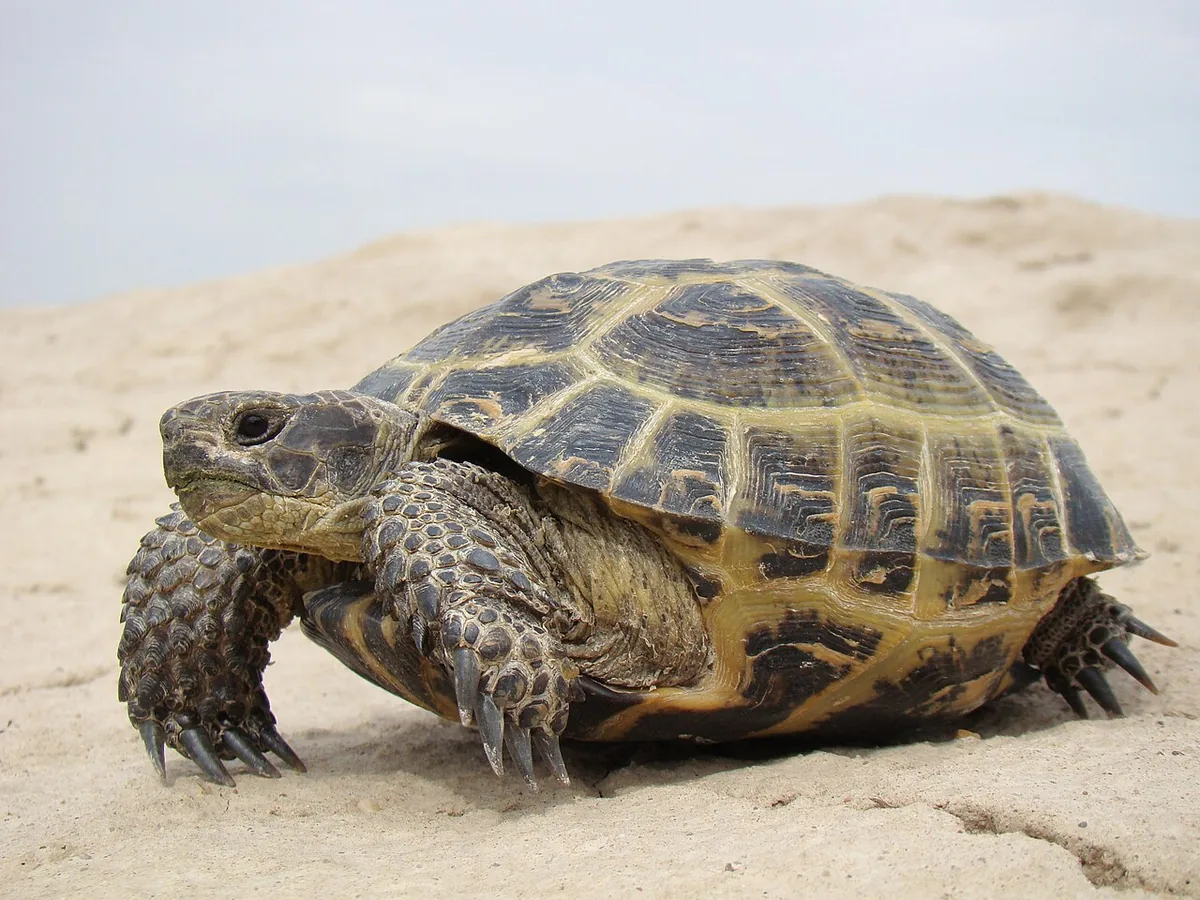
Editorial note: Prepared with AI assistance by Pet Living Magazine using the sources below. This article has not been reviewed by a veterinarian; individual care questions belong with your veterinary team. The photograph is representative editorial imagery, not a demonstration of every recommendation.
Prepared with AI assistance and source checks. General editorial information; no veterinarian-review claim. Report a correction.