A water-test result is only as useful as the procedure used to obtain it. Reading a color from memory or changing the waiting time can make one week difficult to compare with the next. Keep the kit instructions at hand, use clean aquarium-only equipment, and record results with enough detail that another caregiver can repeat the process.
Identify the method
Write the kit name, parameters measured, units, expiry information, and the manufacturer’s procedure. Keep liquid tests and strips distinct in the record. A number without a unit or method may be misleading when kits change. Ask a knowledgeable professional which parameters are relevant to the aquarium’s species and care plan.
The RSPCA’s freshwater-care guidance explains that water appearance cannot establish quality. A clear tank still needs appropriate assessment. Test-kit selection and frequency depend on the system, especially during setup, maintenance changes, or a health concern. Do not let the calendar replace a response to something unusual.
Follow the instructions each time
Use the specified water amount, reagent sequence, mixing method, timing, and reading conditions. Check the color against the supplied reference rather than an online screenshot. Keep samples away from contaminated surfaces. If the instructions require shaking a reagent or waiting a specific interval, make that part of the routine.
Wash or rinse testing equipment according to its instructions and keep it separate from household food utensils. Store reagents safely away from children and pets. Do not combine chemicals from different kits or use a container that previously held cleaner. Replace expired or damaged components as directed.
Record context beside the result
Include date, time, parameter, value, units, and relevant recent events such as a water change or filter service. Preserve an unexpected result and repeat the test appropriately if the procedure may have been wrong. Do not quietly replace a concerning entry with the number you expected.
Interpret the result using the aquarium’s care guidance and professional advice. A test measures a particular aspect of the water; it does not diagnose every fish-health problem. If fish are distressed, contact an aquatic veterinarian and share the full record rather than searching for one reassuring value.
Make the routine teachable
Demonstrate the test to a second caregiver and let them perform it while you observe. Confirm that they can find the timer, chart, and log and understand the response instructions. A beautifully organized kit is less useful if nobody knows which bottle belongs to which parameter.
Review the routine when equipment, livestock, source water, or the test method changes. Keep older results labeled so comparisons remain honest. Reliable testing is a practical habit: follow the method, preserve the result, and use it with the aquarium’s wider history to decide when routine care or expert help is needed.
Have two people compare the procedure
Let each caregiver perform the same test appropriately using the kit’s instructions, without discussing the expected result first. Compare water volume, reagent order, mixing, waiting time, and reading conditions. If results differ, review the process and ask appropriate professional help rather than choosing the number that looks more reassuring. The exercise is about repeatability, not proving who has better eyesight.
Keep the kit’s reference chart with the reagents and avoid reading through tinted glass or under an unsuitable light. Record the method so future comparisons remain clear when a product changes. Dispose of test materials according to instructions and secure everything after use. A teachable process protects the aquarium when the main caregiver is unavailable. It also reduces the chance that a surprising result is dismissed as somebody else’s technique. Reliable readings begin with consistent handling and honest records, followed by interpretation within the aquarium’s wider care plan and current observations.
Keep a changed kit separate
When you replace the kit, save its new instructions and identify the first result obtained with that method. Do not assume that old and new readings are directly comparable without checking units and procedures. Ask an appropriate professional about uncertainty. Clear labeling allows later review to distinguish a genuine pattern from a change in measurement method, storage condition, or interpretation of the supplied color chart.
Keep these details together
- Identity
- Name the animal, product, or equipment precisely so another caregiver can find the correct record.
- Current instruction
- Keep the dated professional or manufacturer guidance available beside the working routine.
- Completed action
- Record what actually happened, including uncertainty, before handing care to the next person.
Connect this task to the wider care plan
Preserve useful water measurements and understand the aquarium’s wider biological context with The Fishless Cycle Notebook: Let Measurements Guide Stocking.
Turn the working arrangement into instructions another caregiver can follow with The Pet Sitter Handoff: What Someone Else Needs to Know.
Bring factual observations and the relevant routine to a clinical conversation with Bring the Story: Build a Useful History for Your Next Vet Visit.
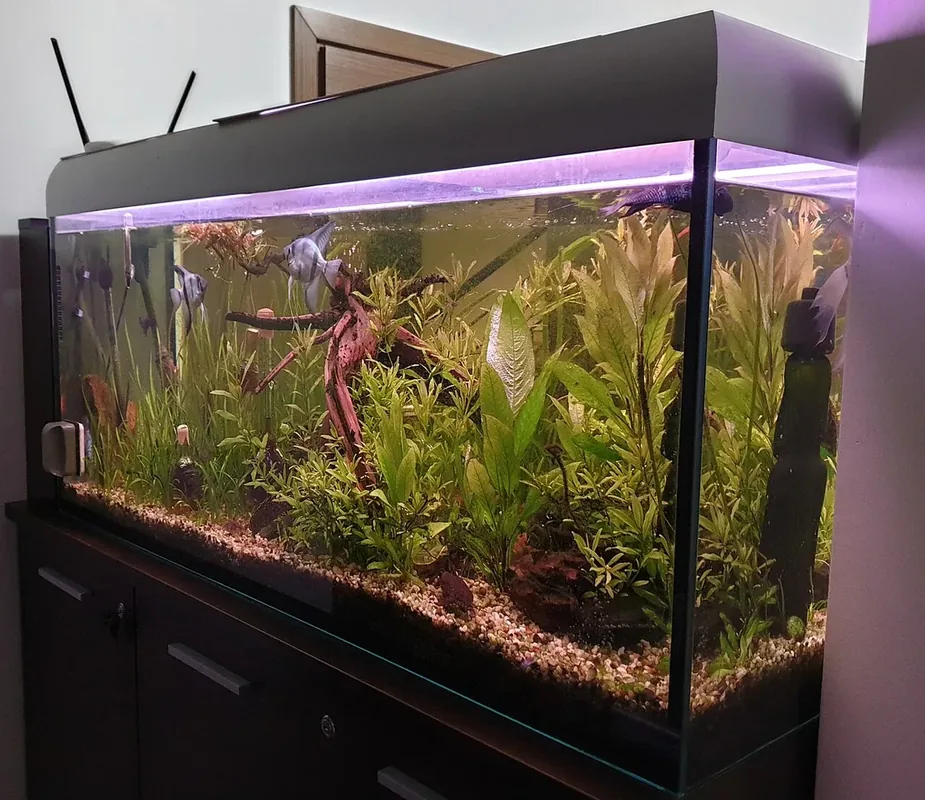
Editorial note: Prepared with AI assistance by Pet Living Magazine using the sources below. This article has not been reviewed by a veterinarian; individual care questions belong with your veterinary team. The photograph is representative editorial imagery, not a demonstration of every recommendation.
Prepared with AI assistance and source checks. General editorial information; no veterinarian-review claim. Report a correction.