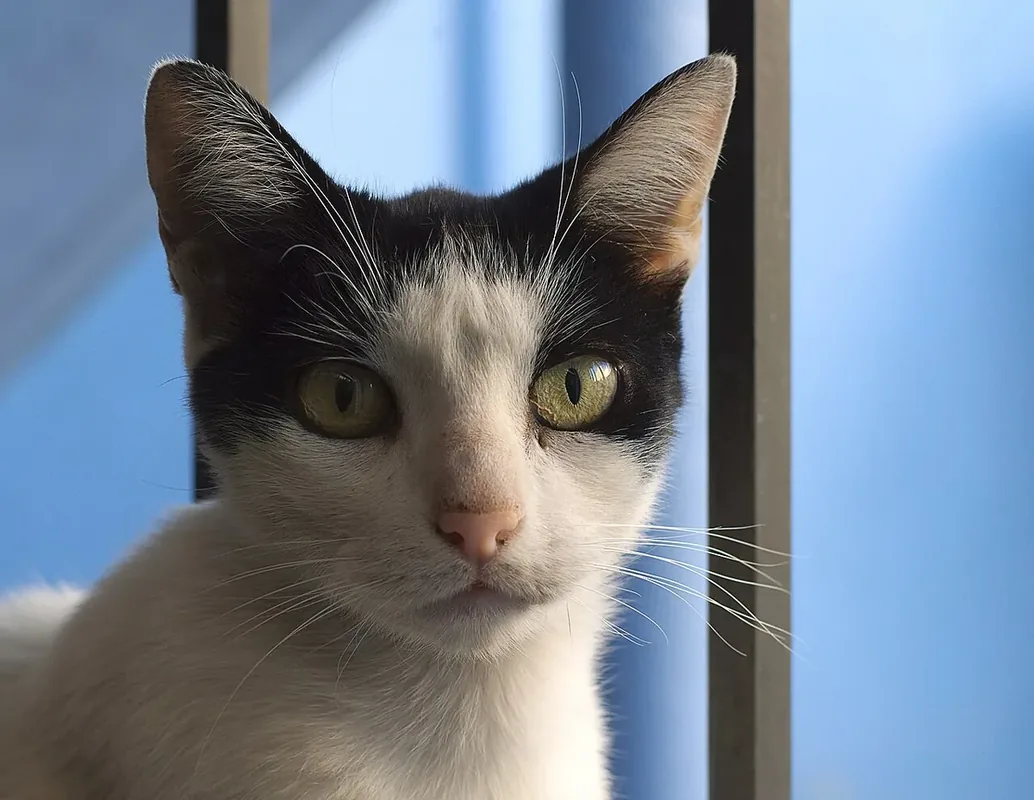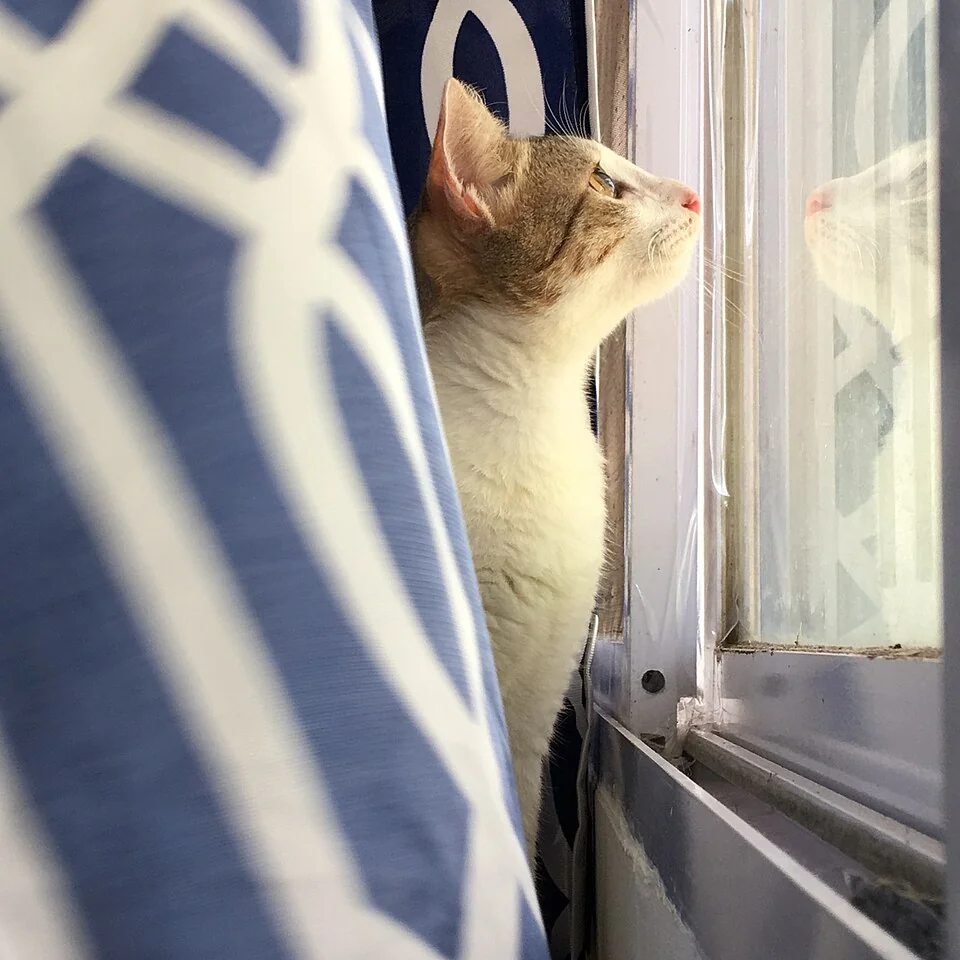
A window seat offers changing light, movement, and a place to observe. It becomes more useful when the cat has an easy route in, a route out, and a choice of shade or another resting spot. Treat the perch as part of a secure room arrangement, then let the individual cat decide how much of the view to use.
Secure the perch and opening
Choose furniture or a purpose-built perch with suitable installation instructions and load capacity. Inspect fastenings and the surrounding window before inviting the cat to use it. Do not rely on an insect screen to contain an animal at an open window. Keep cords and loose hardware inaccessible. If using an attached product, follow its mounting and checking instructions rather than assuming it remains secure indefinitely. A stable ordinary chair or shelf may be simpler when suitable.
Consider how elevated options connect to rest, movement, and retreat in the whole room. This small-home cat-space guide supports a practical layout with attention to access and the animal’s individual choices. Start with Give a Small Home More Cat Space Without Adding Clutter.
Build a comfortable approach
Make sure the cat can reach the seat without crossing a blocked route or attempting a difficult leap. For a senior cat or one with a mobility condition, seek veterinary advice before adding steps or elevated access. Keep a ground-level resting option available. In a multi-cat home, consider more than one view or retreat route when resources become contested. A narrow perch in a dead end may offer a view while limiting the cat’s ability to leave.
Allow light and shade choices
Check the seat at different times of day. A comfortable morning place can become hot in direct afternoon sun. Provide an accessible alternative and keep indoor conditions suitable. Curtains, blinds, and room placement can modify exposure, but cords need careful management. Do not close the animal into the perch area to make it use the new feature. The cat may prefer the view at quieter times or alternate between observing and resting elsewhere.
A small collection is easier to inspect and manage when each item has a clear role. The toy-rotation guide helps you store, present, clean, and retire activities according to actual use. Start with A Thoughtful Toy Rotation for a Less Cluttered Pet Home.
Observe what the view does
Watch whether outside animals, people, or sudden activity seem to overwhelm rather than interest the cat. If the view is associated with persistent distress or behavior concerns, reduce exposure and discuss the pattern with a qualified professional. Describe the timing and visible trigger without assuming the cat needs more stimulation. Do not lure wild birds into a position that creates repeated conflict at the glass. A useful view gives optional interest, not constant demand.
A practical example
The window seat is cool in the morning and hot in afternoon sun. Maintain an accessible shaded alternative and suitable room conditions. The cat’s choice should remain available throughout the day.
Your preparation checklist
- Secure the perch using its actual instructions.
- Protect the window opening and cords.
- Provide an easy approach and exit.
- Offer shade and another resting option.
- Adjust the view if repeated outside activity creates distress.
When movement or access changes, assess the route to ordinary resources as well as the individual product. This home-access guide helps you identify practical obstacles to discuss with your veterinary team. See Make a Senior Pet's Home Easier to Navigate.
Make the next decision clear
Offer a secure view with choice. If the cat uses it comfortably, maintain the fastenings and access route; if it avoids the seat, inspect the approach and conditions rather than forcing use. A lower or quieter location may work better. Window enrichment succeeds when the cat can opt in, rest, and leave freely.
Source context: The public primary material used for this article is linked here so readers can examine the original guidance, product information, or dated announcement: ASPCA: Hot-weather safety tips, ASPCA: Aggression between household cats. Interpretations and practical planning examples are Pet Living Magazine’s editorial suggestions.
Editorial note: Prepared with AI assistance by Pet Living Magazine using the primary sources linked above. This source-prepared article has not been reviewed by a veterinarian; individual health, handling, and care questions belong with an appropriate qualified professional.
Prepared with AI assistance and source checks. General editorial information; no veterinarian-review claim. Report a correction.