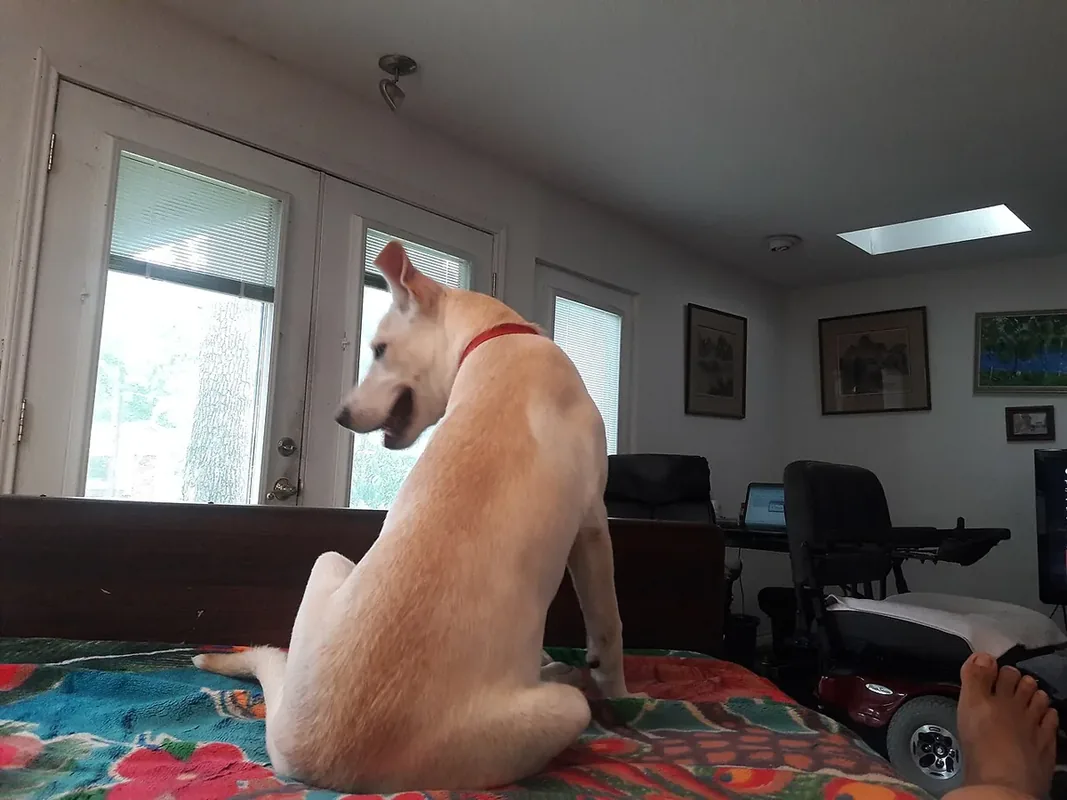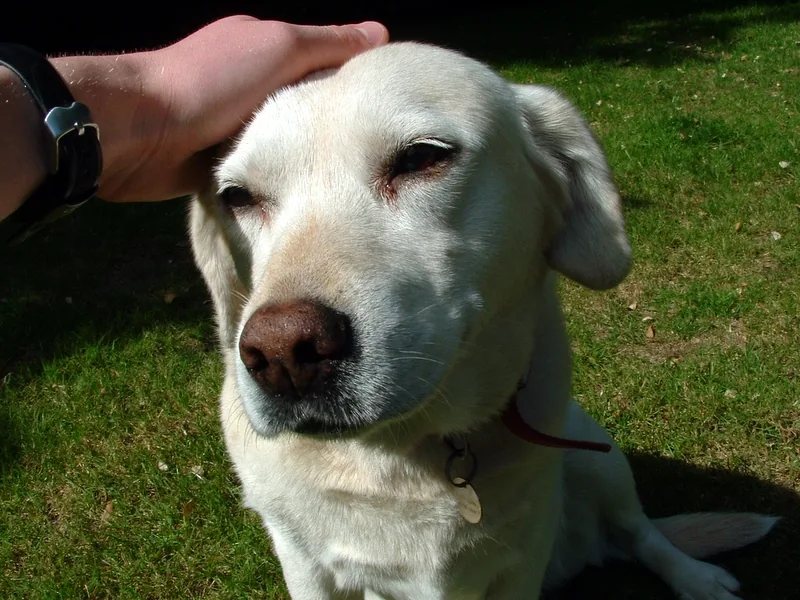
A senior pet’s home should become easier to use as its needs change. The most useful improvements are often small: a route with steady footing, an easier place to rest, or supplies moved closer to the animal’s normal day. Start by watching the pet navigate its own home rather than shopping for a collection of age-labeled products.
Walk the daily route at pet level
Follow the path from the sleeping area to water, meals, the door or litter box, and a favorite social space. Notice where the pet hesitates, slips, detours, or waits for help. Write down the exact location and situation. A problem that happens only on a polished turn needs a different solution from a problem at a high doorway threshold.
Do not assume a change is simply old age. New difficulty moving, reluctance to jump, or a change in elimination deserves a veterinary discussion. AAHA’s senior veterinary recommendations support ongoing assessment as older pets’ needs change. Home improvements should accompany that assessment, rather than hide a developing problem.
Improve footing before adding height
Choose secure floor coverings along routes the pet actually uses. Look for curling edges, sliding mats, and gaps that catch paws. A rug that moves when the animal steps onto it has not solved the problem. Clean and inspect the underside as part of the routine, especially when dust or moisture affects grip.
Try one area at a time and watch ordinary movement. Is the pet willing to use the new path? Does it turn without scrambling? Can the person cleaning the room keep the surface secure afterward? Photograph the arrangement so other caregivers restore it correctly rather than moving a crucial mat for convenience.
Make resting and resources reachable
Place a comfortable resting option on the level where the pet spends time. Check the entry height, space to turn, and stability when the animal rises. Preserve a familiar favorite if it is usable, while offering an easier alternative. Do not remove every old comfort at once in the hope of forcing acceptance of a new bed.
For cats, review litter-box access and the route around it. For dogs, review the trip to the bathroom area. If the current setup appears difficult, ask your veterinary team for options fitted to the pet’s mobility and other needs. A household can offer additional access points without treating an accident as misbehavior.
Evaluate steps and ramps carefully
A ramp or set of steps is useful only if the animal can use it comfortably and the equipment stays secure. Check the manufacturer’s load limit, surface, angle, anchoring, and available space. Ask your veterinary team whether this is appropriate for your pet before purchasing a mobility aid. A device that is too steep or narrow may introduce a new obstacle.
Practice with supervision and let the pet learn the route gradually. Do not pull it up an unfamiliar ramp. If lifting assistance is needed, ask for a demonstration using the particular animal and equipment. Protecting the caregiver’s back and the pet’s body belongs in the same plan.
Keep the home recognizable
Change one practical element, then observe the result. Avoid regularly moving food, furniture, and resting places around a pet that depends on predictable routes. Tell visitors and cleaners which arrangements have a care purpose. A clear path can become blocked by a bag, a chair, or a temporary holiday decoration unless people know why it matters.
Lighting and noise deserve attention too. Check the evening route, the sound of an appliance beside the bed, and whether the animal can retreat from visitors. You do not need to redesign every room; aim to make the pet’s usual life easier to reach.
Review the result with the care team
Keep a short record of which change helped and which did not. Safely recorded clips of ordinary movement can assist the veterinary conversation. Avoid repeatedly asking the animal to perform a difficult action for a video. The useful evidence is what naturally happens in daily life.
AAHA’s senior support guidance includes adapting home life. Translate that principle into a routine review whenever the pet’s needs change. A thoughtfully arranged home gives the animal more control over resting, moving, and staying close to the household—while keeping professional care connected to the decisions you make.
Try the change during an ordinary day
Check the setup when the room is busy as well as when it is quiet. Watch a meal, a return from outside, and a normal rest period. A path that works with every chair tucked away may fail when someone is cooking or entertaining. Invite another caregiver to describe what they see without coaching their answer.
Keep a small list of arrangements that should be restored after cleaning. This turns a one-time improvement into ongoing access, and helps the next person understand why a low bed or plain runner has an important place in the room.
Prepared with AI assistance and source checks. General editorial information; no veterinarian-review claim. Report a correction.