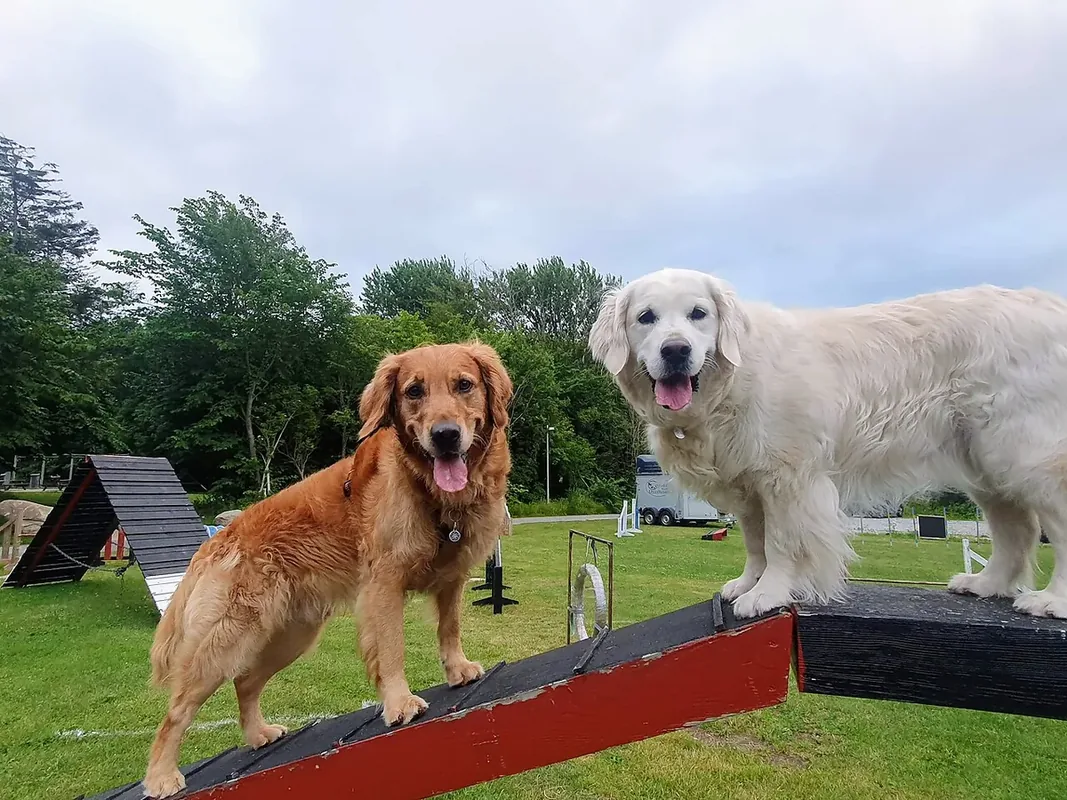
A Labrador’s reputation can fill a house before the dog arrives: friendly, enthusiastic, always ready for the next game. A better daily plan starts with the Labrador standing in front of you, including that dog’s age, health, preferences, and ability to settle.
Use the breed profile as a starting point
The American Kennel Club describes Labradors as energetic sporting dogs that often enjoy retrieving and swimming. Those tendencies suggest possibilities, not a fixed exercise prescription or a promise about temperament. A dog who dislikes water does not need a swimming project. An older Labrador may prefer a relaxed exploration outing to repeated ball throws.
For one ordinary week, record what you already do. Include walks, play, training, time with people, meals, and rest. Note which activities are followed by comfortable settling and which leave everyone more frantic. Do not infer a medical explanation from the pattern; bring an unexpected change in stamina or comfort to your veterinarian.
Put anchors into the day
Choose three dependable anchors: an appropriate morning outing, a predictable quiet period, and an afternoon or evening opportunity to engage with you. These are organizational choices, not requirements that every Labrador follow identical times. A household working shifts may arrange them differently.
Write down who handles each anchor. If two people both give “just a few” training treats, the dog’s extras can add up. Keep a shared treat allowance agreed with your veterinary team, and reserve some of the usual food for suitable activities if your dog’s diet permits it.
Make retrieving a conversation
If your dog enjoys retrieving, select a suitable toy and a clear, uncluttered space. Start with a few easy repetitions. Pause between throws and offer another activity before enthusiasm turns into an endless demand for the ball. Avoid forcing a reluctant dog to participate or repeatedly launching toys into awkward jumps and hard stops.
You can build variety without buying a cupboard of equipment: a short reward-based practice session, a supervised food-search activity using appropriate food, or a walk on a different quiet route. Introduce one option at a time so you can tell whether it suits the dog.
Keep the daily plan somewhere visible so a visiting caregiver can maintain the same comfortable rhythm.
Protect the quiet part
Place a comfortable resting spot where the dog can withdraw from household bustle. Teach family members that sleeping and resting are not invitations for interaction. Visitors need the same clear expectations as children: give the dog room, supervise interactions, and allow contact to end.
Revisit the plan when work hours, weather, or the dog’s condition changes. The useful question is not whether your Labrador lives up to a breed description. It is whether the household can reliably offer this individual dog movement, company, choices, and comfortable downtime.
Editorial note: Prepared with AI assistance by Pet Living Magazine using the sources below. This article has not been reviewed by a veterinarian; individual care questions belong with your veterinary team.
Prepared with AI assistance and source checks. General editorial information; no veterinarian-review claim. Report a correction.