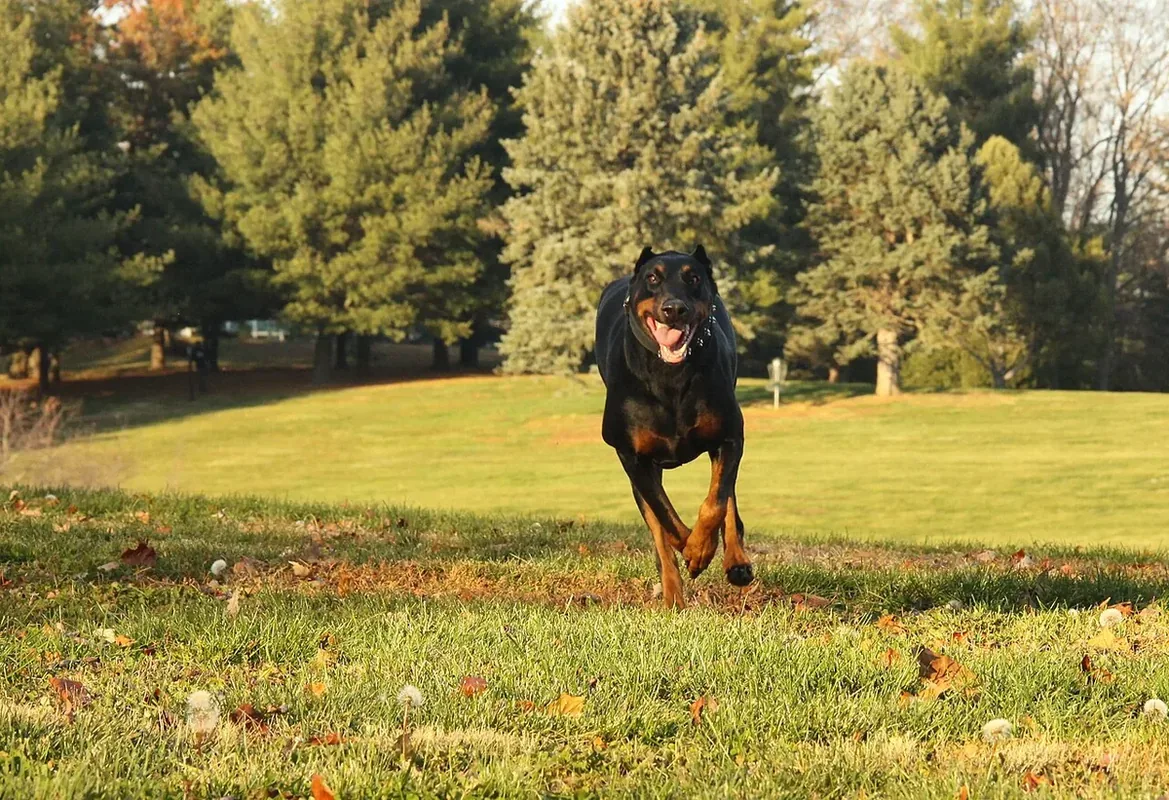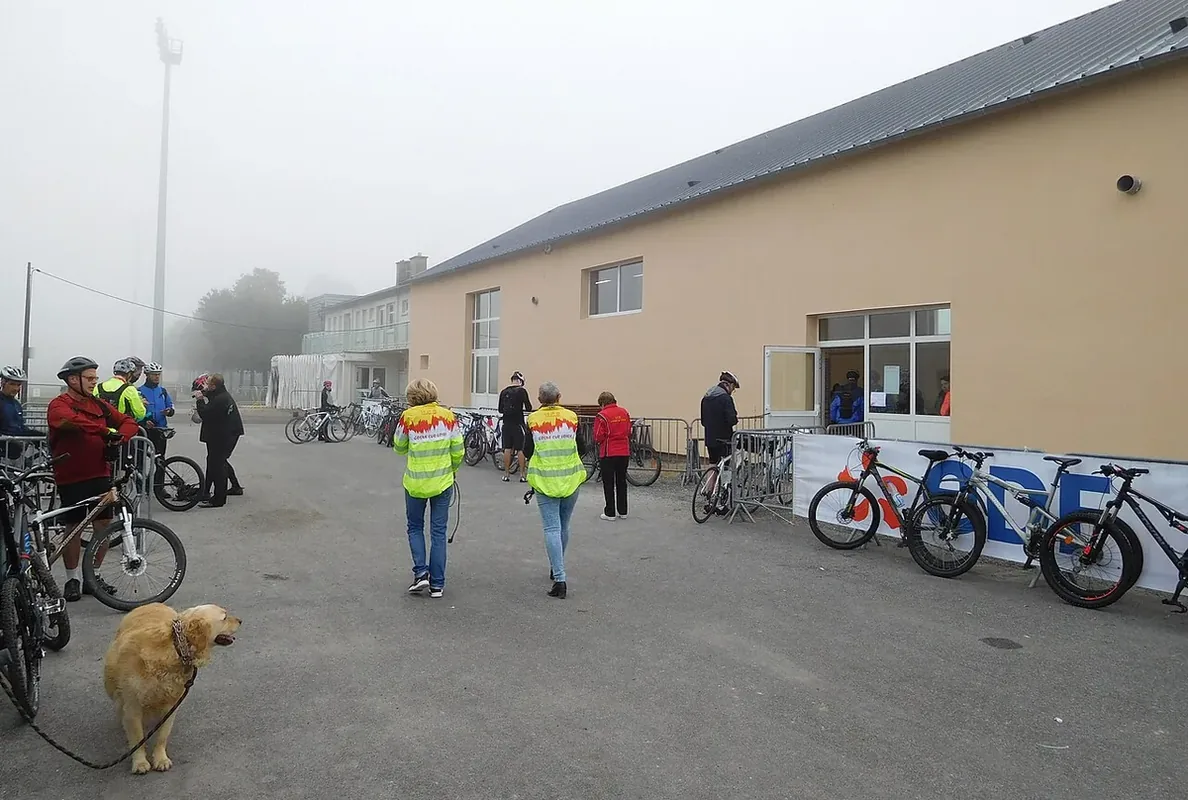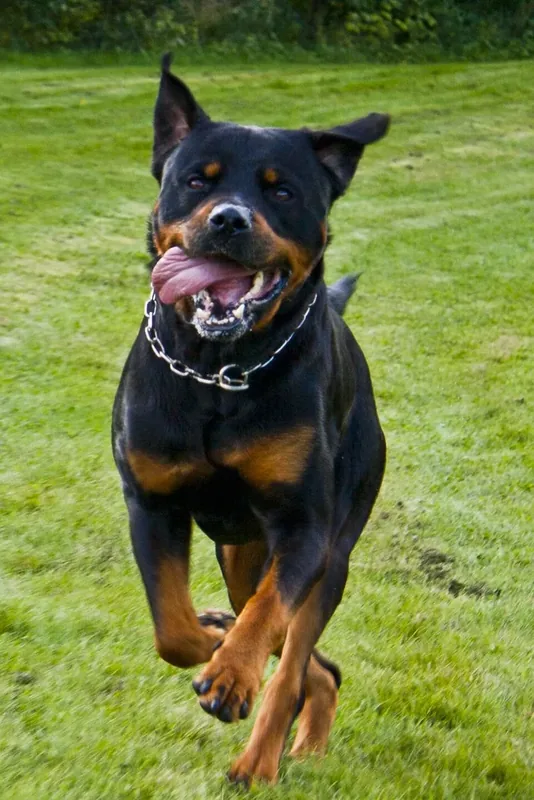
A walk can cover very little ground and still give a dog plenty to do. A sniff walk invites you to notice where your companion pauses, which routes feel comfortable, and how much of the outing belongs to the dog rather than the clock.
Choose a route with room to pause
The RSPCA encourages owners to let dogs investigate scents. Our practical route plan translates that idea into a manageable outing: pick a familiar, quiet stretch where stopping will not block pedestrians. A planted verge beside a wide path may work better than a busy sidewalk lined with restaurant tables. Check the route yourself before bringing the dog, especially if rubbish, discarded food, or broken glass regularly appear there.
Start with a comfortable harness or collar and a conventional leash suited to the setting. Keep enough distance from roads, other dogs, and wildlife to manage the dog without sudden pulling. A longer line is useful only where it will not tangle around people or create a trip hazard. Sniffing permission does not mean access to every object.
Give the outing a simple shape
Walk a short opening section together, then allow a quiet exploration interval. Rather than tugging whenever the dog stops, wait when it is safe. Use a familiar cue before moving away. Build a route with a few obvious stopping places so you can fit the activity into an ordinary morning without making the schedule feel uncertain.
Keep the first outing short enough that you can end comfortably. If the route becomes crowded, choose the easy return rather than trying to complete an arbitrary distance. Bring water when conditions and the planned outing warrant it. Your veterinarian can advise on exercise limits for a growing puppy, an older dog, or a dog with a health condition.
Keep an observation, not a score
After three outings, write down the places your dog selected, the times you needed more space, and what the dog did on arriving home. Avoid treating a long sniff as proof of stress or a short sniff as proof of boredom. A notebook is useful because it preserves details, not because it diagnoses behavior.
A workable entry might read: “Quiet side path, stopped at three trees, crossed away from another dog, returned easily.” That gives the next walker something specific to repeat. “Great walk” does not.
Make it fit your household
Tell anyone who walks your dog which areas are suitable for pauses and which require close movement. Keep normal toilet opportunities and any prescribed exercise separate from the idea that every walk must be an enrichment project. Some days a brief familiar route is the best choice. The aim is a repeatable opportunity for exploration that feels safe and unhurried for both ends of the leash.
Editorial note: Prepared with AI assistance by Pet Living Magazine using the sources below. This article has not been reviewed by a veterinarian; individual care questions belong with your veterinary team.
Prepared with AI assistance and source checks. General editorial information; no veterinarian-review claim. Report a correction.