A dog pauses, samples the air and carries on. Behind that ordinary moment is a surprisingly useful piece of engineering.
A nose that moves the air
In a study described by the National Institute of Standards and Technology in December 2016, researchers made an artificial nose modeled on a Labrador’s external nose. They reproduced the rhythm of inhaling and exhaling, then watched the airflow with high-speed imaging.
The outward jets helped draw vapor toward the nose for the next inhalation. Fitting a commercial detector with a nose-inspired inlet improved sampling in the researchers’ experiments. Those results describe particular laboratory conditions; they are not a promise that every dog detects every substance or that a pet can diagnose illness.
A different way to watch a walk
Our editorial takeaway is simple: the pause at a patch of grass can be an opportunity to notice an animal’s different sensory world. Observation is more interesting than assuming we know what every sniff means.
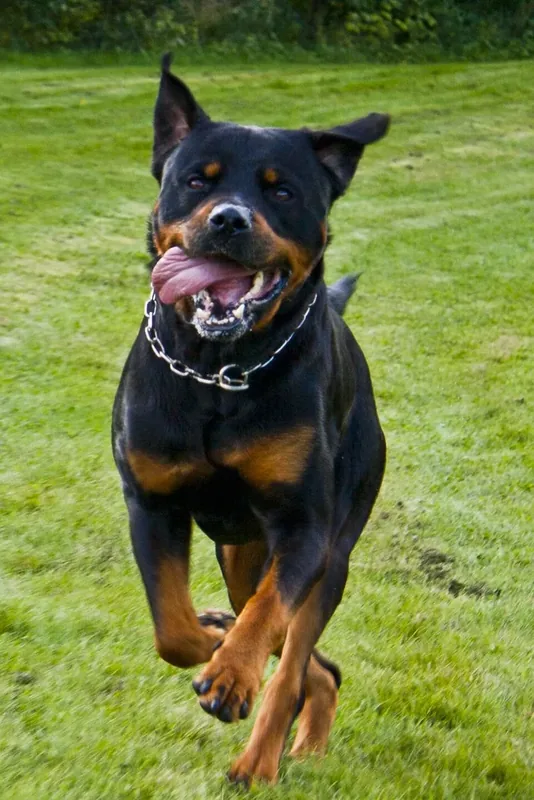
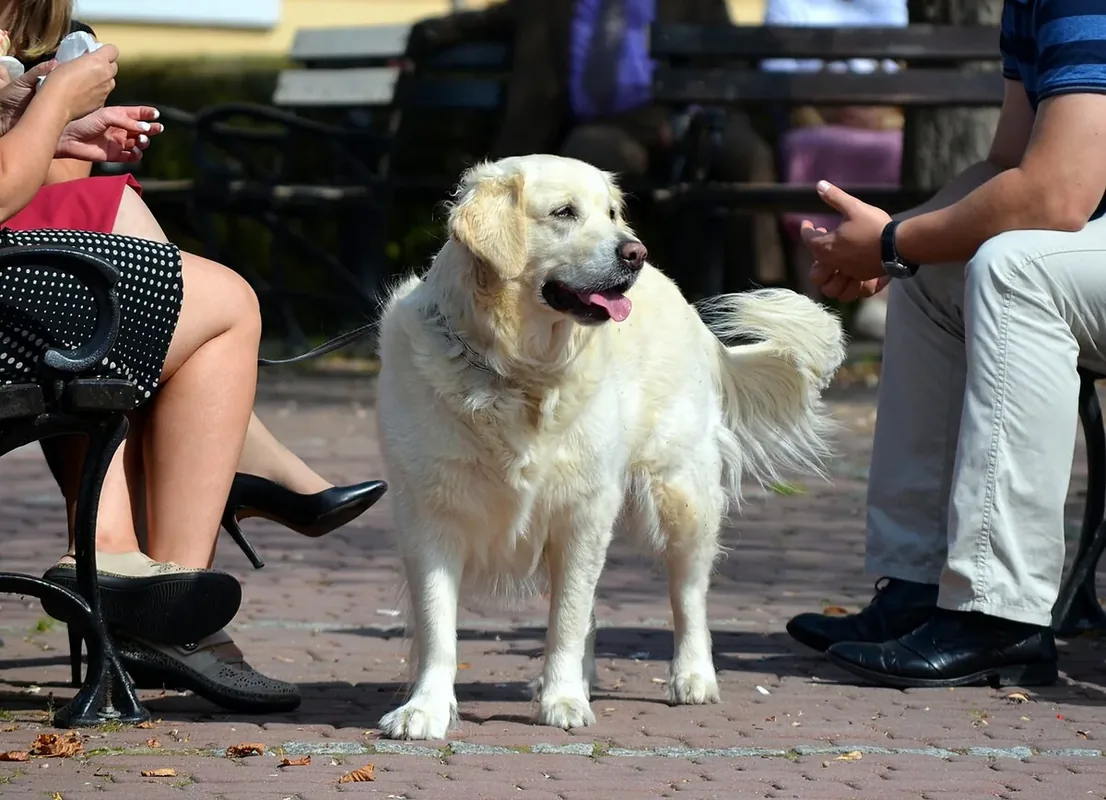
This is a look back at published research, not a newly announced discovery. The photograph illustrates a Labrador; it does not document the experiment.
Prepared with AI assistance and source checks. General editorial information; no veterinarian-review claim. Report a correction.