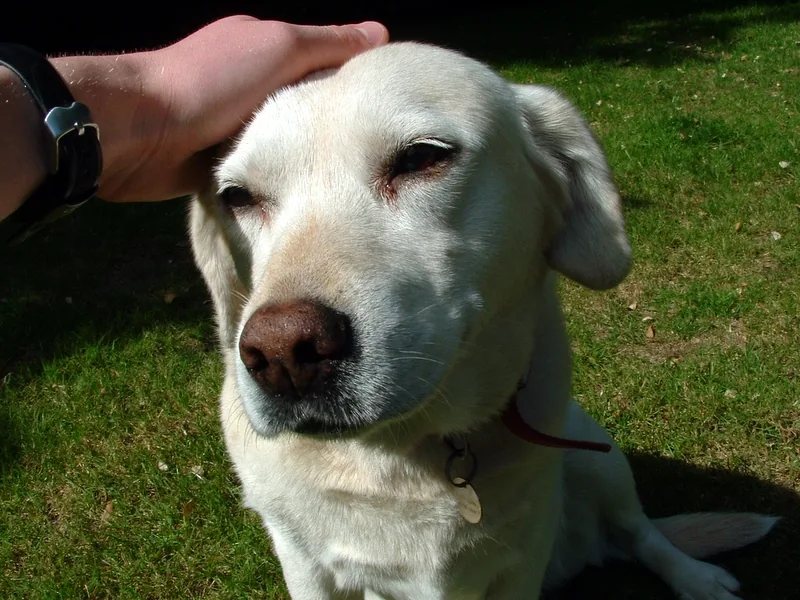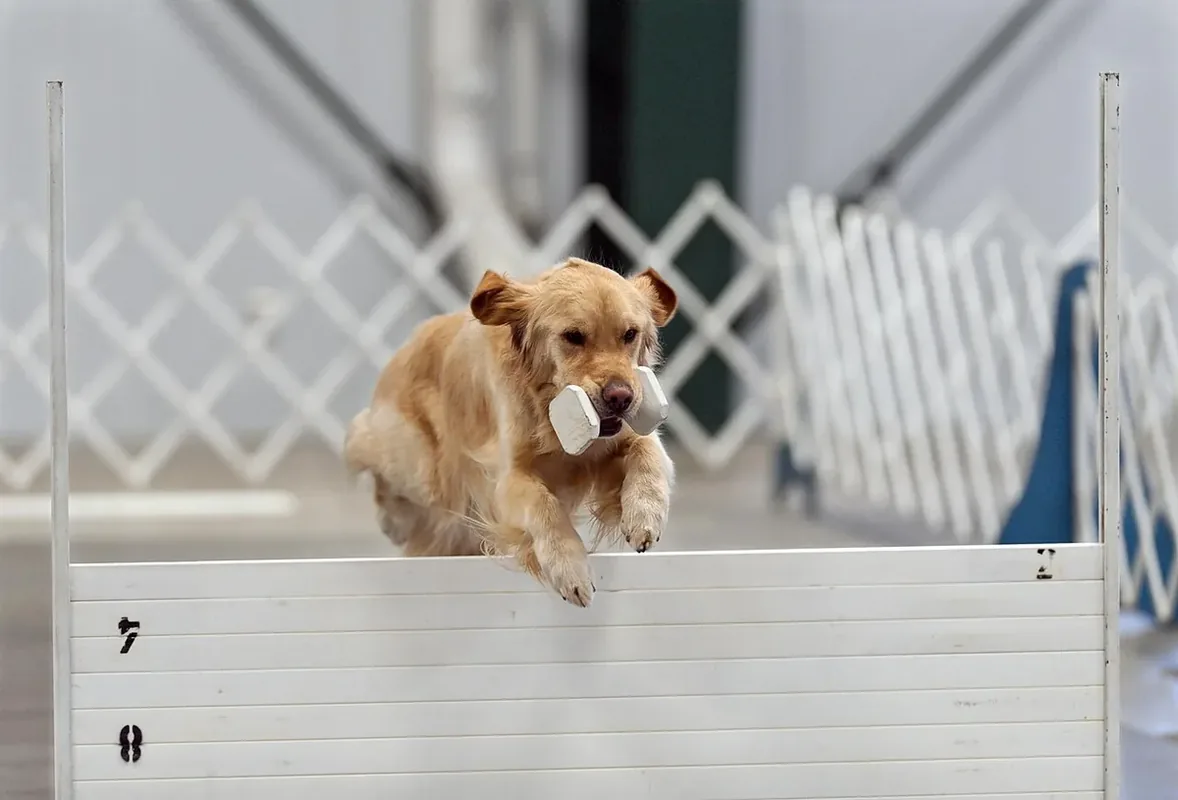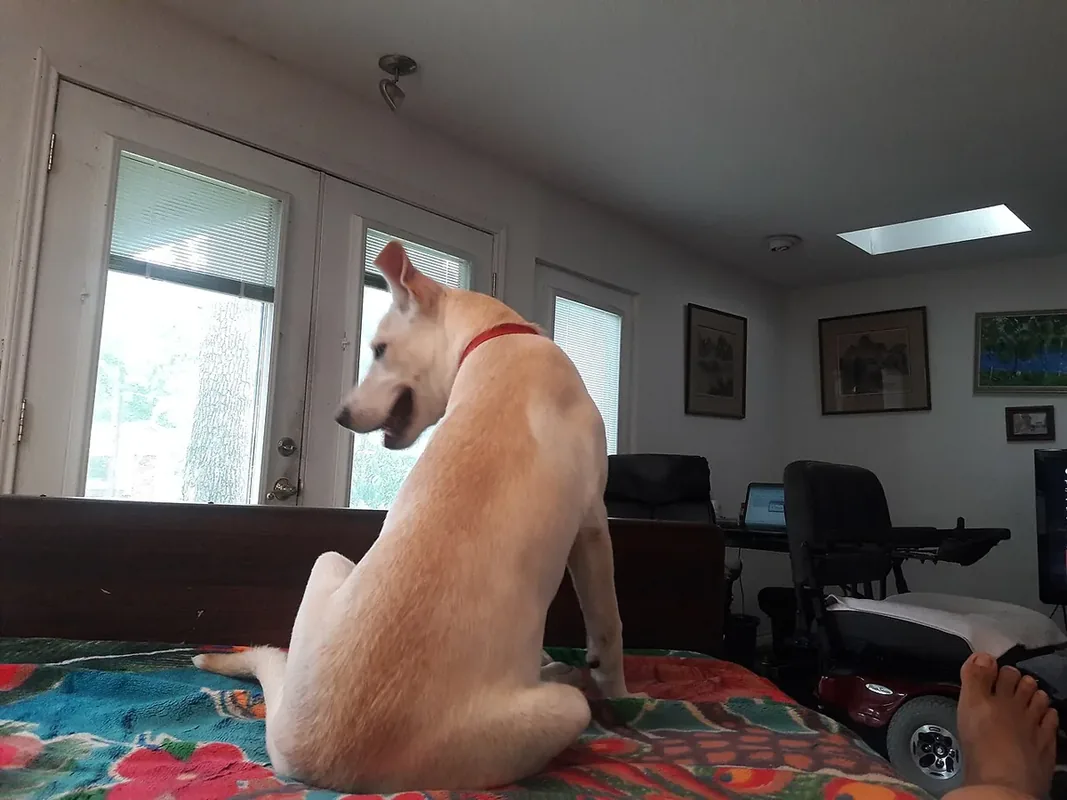
A deaf dog still needs information about what people want and what will happen next. The household can provide that information through clear visual signals and predictable routines. The practical challenge is consistency: everyone should use the same cue in a way the dog can perceive.
Confirm the need professionally
If a dog stops responding to sound, arrange a veterinary assessment rather than repeatedly startling it with louder noises. Ask what the change means for the animal’s care and whether other conditions need attention. A dog with hearing loss may also have individual mobility, vision, or medical needs that affect the training plan.
Texas A&M’s deaf-dog guidance describes the use of consistent sign language and body posture. This provides a useful starting principle: a cue has to be visible before it can be understood.
Choose a small shared vocabulary
Begin with a few everyday cues that matter to your routine, such as coming closer, settling, or waiting at a doorway. Work with a qualified reward-based trainer if you need help choosing and teaching them. Keep each gesture distinct and use it consistently rather than inventing a new motion whenever you are excited.
Make a short video of the cues for other caregivers. Demonstrate them with the dog at a comfortable distance in good light. Ask the sitter to practice while you are present. A written instruction to use a hand signal is incomplete if the person does not know which movement the dog recognizes.
Build attention without surprise
Reward voluntary check-ins and work in a quiet, secure space before adding distractions. Ask the trainer how to get the dog’s attention gently when it is not looking at you. Avoid sudden grabbing, particularly during sleep. A predictable approach gives the dog more opportunity to understand the interaction.
Equipment marketed for attention should be evaluated carefully with professional guidance. Do not assume a vibration is automatically comfortable or that an attention tool creates reliable recall. Use positive association and a plan suited to the individual animal.
Keep management reliable
Use secure containment and appropriate leash equipment outdoors. A visual cue cannot reach a dog that is facing away, beyond sight, or distracted. Ensure identification details are current and consider explaining the hearing limitation on the tag or caregiver record. Check gates and handoffs with the same care you give training.
Tell visitors how to approach and when to leave the dog alone. Respectful handling supports both the animal and the people around it. Measure progress through clear everyday communication rather than dramatic tricks. A household that signals consistently, rewards participation, and manages the environment can create a dependable routine without expecting the dog to hear information it cannot receive.
Review cue consistency at the first sitter visit instead of waiting until an outdoor handoff becomes confusing.
Prepared with AI assistance and source checks. General editorial information; no veterinarian-review claim. Report a correction.