A companion bird can change a toy between breakfast and bedtime. Chewing, pulling, and climbing alter what was safe when you hung it up. A short inspection looks at the toy as it is today, including the attachment and the space around it. It makes enrichment easier to maintain without assuming that a product label settles every safety question.
Check before the bird uses it again
Inspect toys while the bird is safely elsewhere or positioned away from your hands. Look for frayed strands, loose fasteners, sharp edges, broken pieces, and gaps that have widened as material was chewed. Follow the manufacturer’s supervision and replacement guidance. Remove a damaged item rather than repairing it with an unknown glue or hardware part.
The RSPCA recommends non-toxic materials for bird enrichment, and the Merck Veterinary Manual identifies metal sources in the household as a potential hazard. Ask your avian veterinarian about uncertain materials. A decorative bell or craft fitting bought for a human project is not automatically suitable for a bird to chew.
Inspect the route, not just the object
Check whether the attachment swings into a food bowl or blocks a familiar perch. Ensure the bird can move away from the toy and reach essential resources. A cage full of interesting objects can still offer poor usable movement. Notice where the bird actually climbs and which areas remain unused.
Keep spacing appropriate to the individual bird and cage. Do not copy a photograph of another species as an installation diagram. A toy sized for one parrot may create different entrapment or chewing risks for another. Include the exact product and a picture of its position when asking a professional for advice.
Introduce changes without replacing everything
Keep familiar suitable items available while adding one new object. Place it at a distance the bird can tolerate before expecting close exploration. A bird who avoids a new toy does not need it pushed toward the beak. Observe calmly and choose a less demanding introduction if needed.
Rotate only clean, intact items you can use appropriately. Store spares where they remain dry and protected from household contamination. Label anything that needs supervised use so a sitter does not leave it installed all day. Do not rely on the bird’s previous behavior to guarantee safe handling forever.
Make removal a useful record
Photograph a retired item while the bird is away and note the reason for removal. “Loose strand beside attachment” gives you a useful check for similar toys. It may also help the manufacturer understand a product concern. Avoid leaving the damaged toy available merely to document how the bird uses it.
Review the collection periodically and discard unsafe parts. Enrichment should invite suitable activity rather than create a growing stockpile of questionable objects. A smaller group of maintained toys, with clear space for movement and regular attention from people, is easier to manage than a cage filled beyond your ability to inspect it.
Make a photograph useful for the next inspection
Take a clear picture of an intact suitable toy and its attachment when you install it. Keep the picture with the product name and care instructions. At later checks, compare the shape, fastening, and surrounding space. This is especially helpful for an object that gradually loses material through normal use. The picture is a reference, not permission to leave the item installed until it matches a dramatic failure example.
Show the routine to another caregiver. Ask them to identify what would make them remove the item immediately and where they would put a retired toy. Keep a separate storage place so questionable parts do not return to the cage accidentally. If you cannot inspect an attachment without crowding the bird, plan an appropriate secure relocation with professional advice. Good inspection should be routine enough to happen before breakfast, while still being thorough enough to notice a small change in the object the bird will use that day.
Connect this task to the wider care plan
Review the connected movement routes and resource access inside the cage with Rethink the Perches: Designing a Bird Cage Around Movement.
Check the surrounding rooms for accessible products, medicines, and unsuitable objects with A Room-by-Room Pet Poison Prevention Walkthrough.
Turn the working arrangement into instructions another caregiver can follow with The Pet Sitter Handoff: What Someone Else Needs to Know.
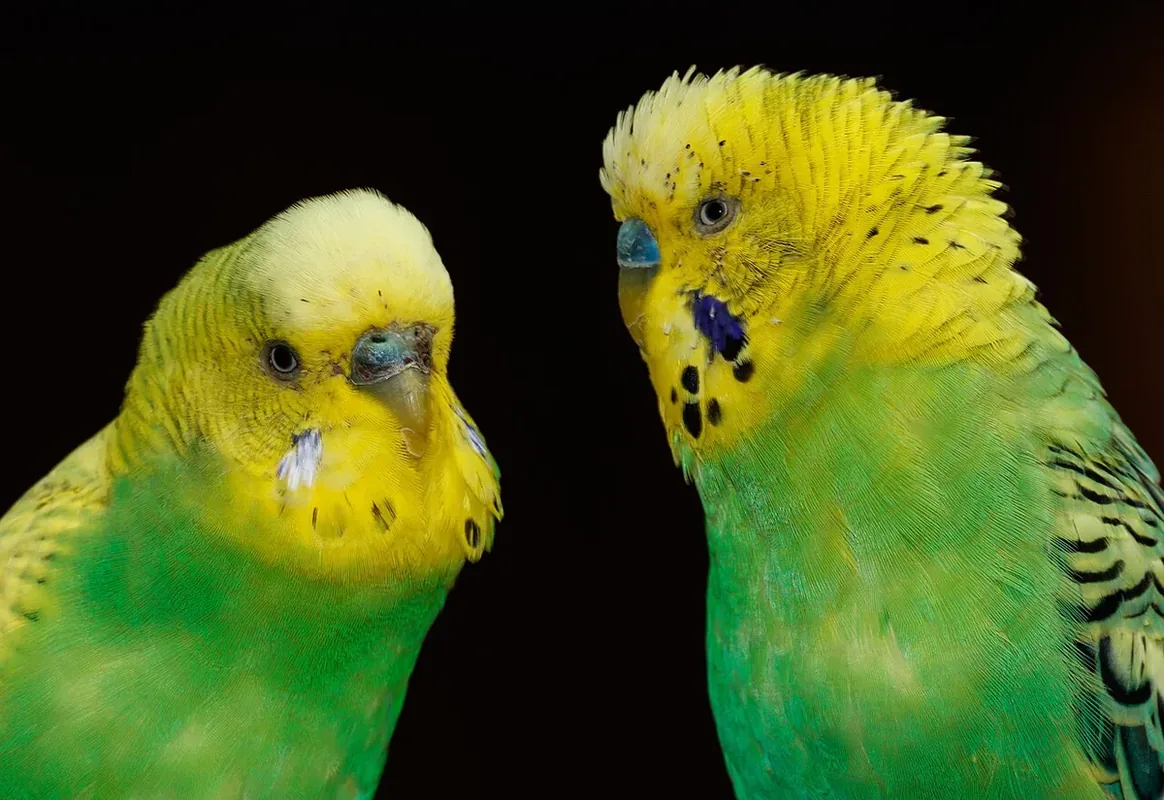
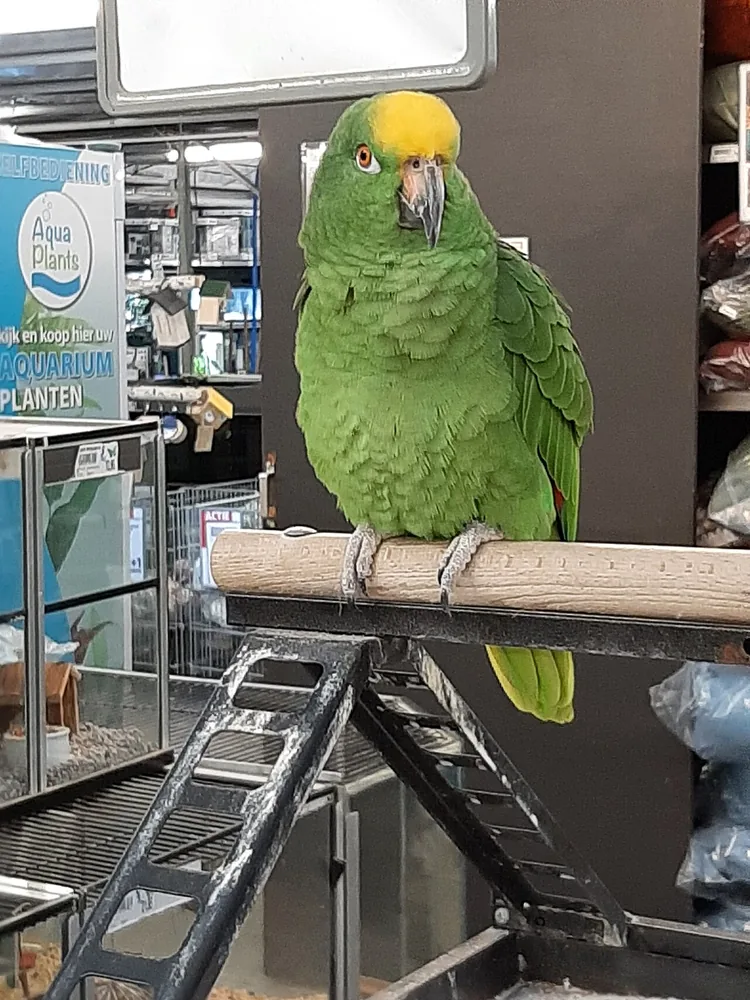
Editorial note: Prepared with AI assistance by Pet Living Magazine using the sources below. This article has not been reviewed by a veterinarian; individual care questions belong with your veterinary team. The photograph is representative editorial imagery, not a demonstration of every recommendation.
Prepared with AI assistance and source checks. General editorial information; no veterinarian-review claim. Report a correction.