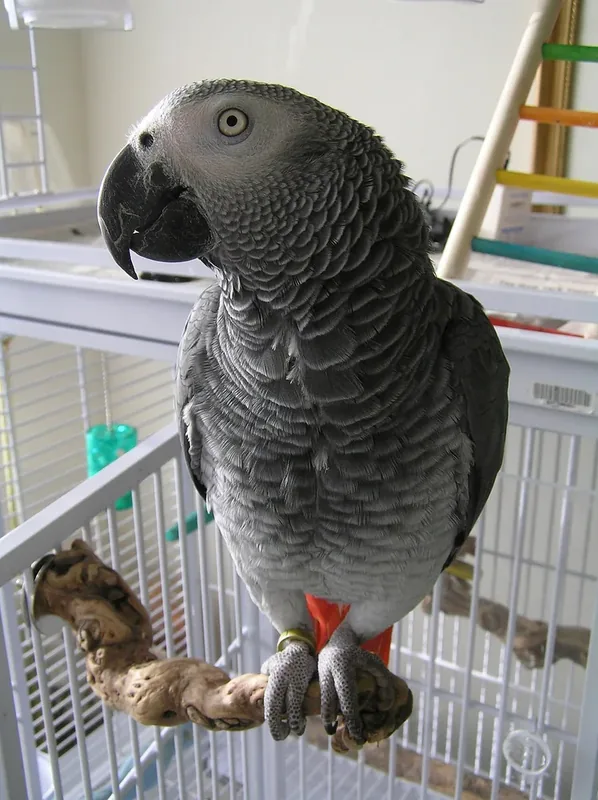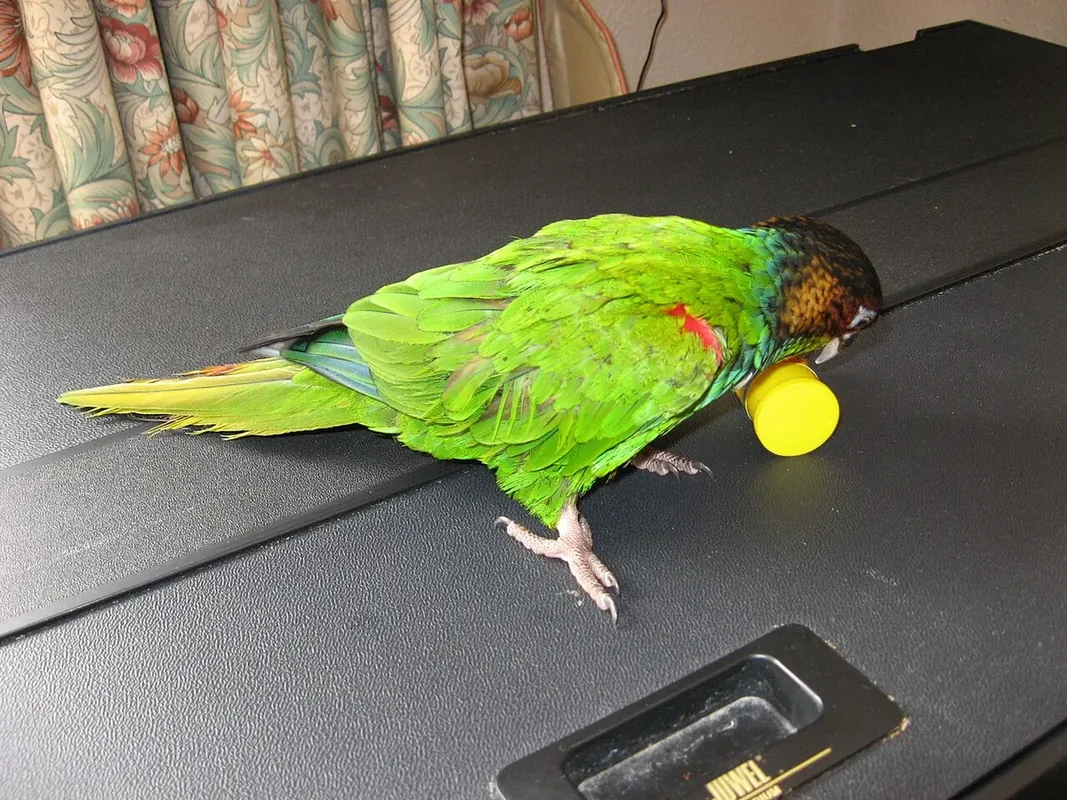
A cage can contain plenty of perches and still offer few useful routes. A thoughtful layout connects feeding, resting, movement, and comfortable withdrawal without filling every open space. Start by drawing how the bird will travel through the enclosure, then choose where each perch belongs.
Design the route before the furniture
Merck recommends cage space for natural movement and perches with varied sizes and textures. Those principles do not mean that every possible perch should be installed at once. Ask an avian veterinarian about suitable materials and dimensions for your bird’s feet, size, health, and species.
On a simple sketch, mark food, water, cage doors, and the areas needed for movement. Draw the approach to each. Place perches so they serve a purpose: an accessible feeding position, a comfortable resting choice, or a route between useful locations. Keep enough open space for the bird to move normally.
Check access for every bird
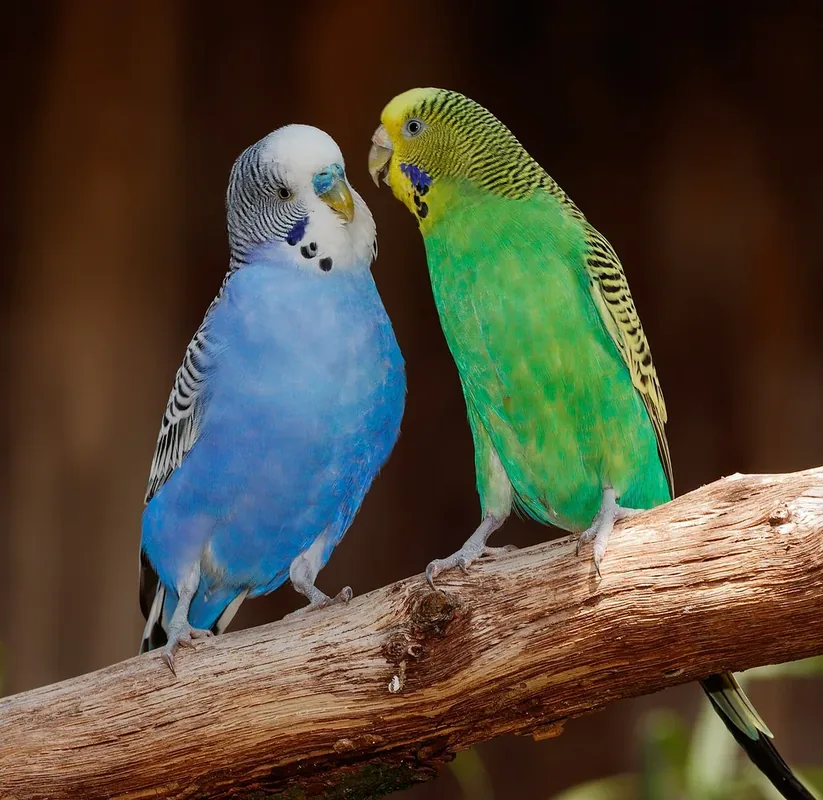
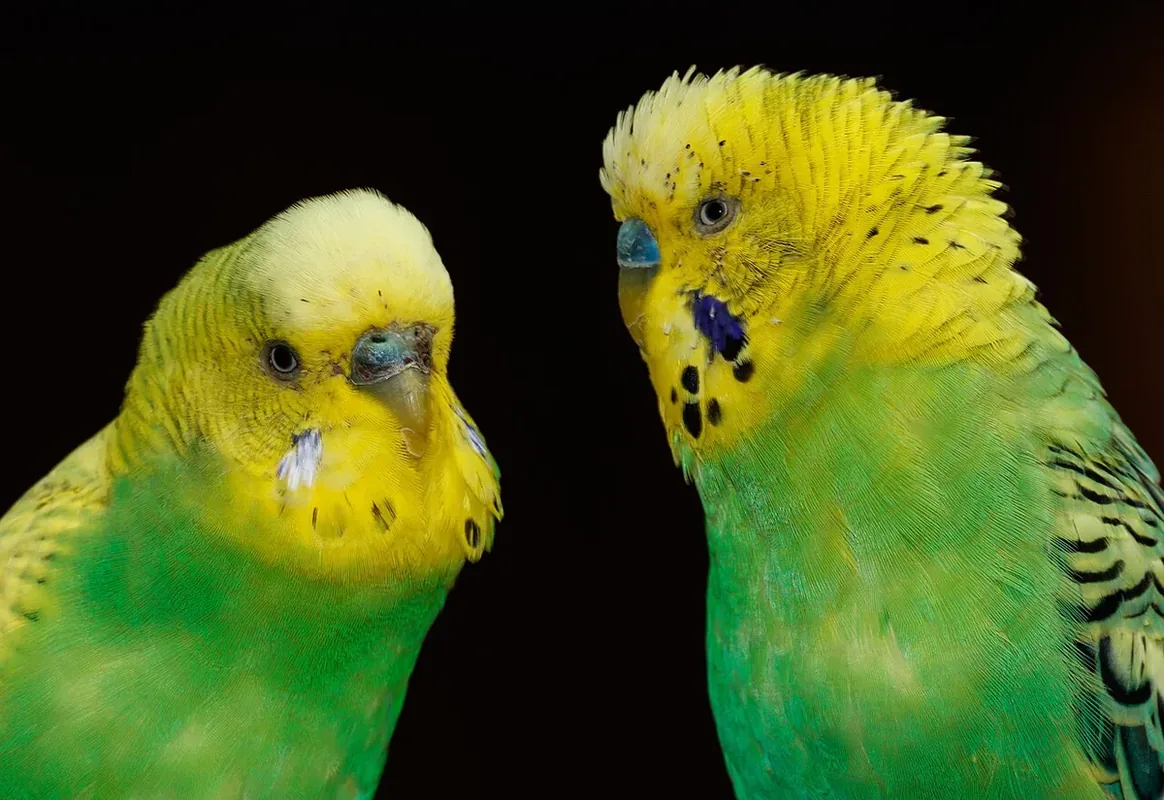
In a shared enclosure, watch which individuals use each route. One favored position may let a bird displace another from a bowl. Adding a second bowl beside the first may leave the same bottleneck. Review both distribution and approach with your avian team when access appears unequal.
Do not judge the layout only from a front-facing photograph. Observe through an ordinary care period and note where the bird climbs, turns, or hesitates. Keep observations separate from medical conclusions. Repeated difficulty gripping or moving warrants veterinary advice.
Keep perches and resources cleanable
Consider what sits above food and water. A tidy-looking vertical arrangement can direct droppings onto resources below. Choose placements that allow you to inspect, remove, clean, and reinstall equipment according to appropriate care guidance. Keep unsuitable cleaners and fumes away from birds.
Check attachments, surfaces, and wear during routine care. Remove hazards such as loosened hardware, sharp edges, or frayed elements. Do not wait for an item to fail simply because the bird appears fond of it. Offer a familiar safe alternative while replacing damaged equipment.
Introduce a modest change
Preserve an established resting position and normal resource access while making one adjustment. Give the bird time to investigate. A wholesale cage redesign may obscure whether an unused perch is unfamiliar, inconveniently placed, or physically uncomfortable.
Take a dated photograph after the change. A picture and a few notes will help you compare practical use over several days. Record how the bird moves, not just how long it remains on one perch.
Prepare a maintenance map
Label the planned positions on your sketch and keep it with care instructions. A backup caregiver should know which perch belongs near a resource, what needs inspection, and what can be removed for cleaning. A good layout survives routine maintenance because its purpose is clear. It gives your bird reliable access and usable choices while leaving movement at the center of the design.
Editorial note: Prepared with AI assistance by Pet Living Magazine using the sources below. This article has not been reviewed by a veterinarian; individual care questions belong with your veterinary team.
Prepared with AI assistance and source checks. General editorial information; no veterinarian-review claim. Report a correction.