A litter tray can fit neatly behind a laundry door and still be awkward for the cat. The route matters as much as the floor space: noise, stairs, another animal, and a door that sometimes closes can all affect access. Start by following the cat’s journey to the tray, rather than choosing the corner that hides it most effectively from people.
Map access at different times
Sketch the tray, sleeping spots, feeding locations, and routes between them. Mark doors that close at night, appliances that start suddenly, and places where another pet waits. A location that seems calm at midday may become crowded during the evening routine. Watch ordinary movement without repeatedly placing the cat beside the tray.
Check that the cat can enter and leave comfortably. Height, tray size, and footing deserve attention, especially for a cat with mobility needs. Ask your veterinarian about the individual cat’s requirements. A covered tray may suit the household aesthetically, but consider space, ventilation, and whether the cat can see or avoid an approaching animal.
Separate toilet resources from the dining area
The Feline Veterinary Medical Association’s environmental guidance emphasizes accessible, separated resources. Avoid crowding litter, food, and water together simply because one utility corner is convenient to clean. In a home with several cats, separate locations can provide options without forcing cats through the same narrow crossing.
Observe which trays are actually used and whether one cat blocks another’s route. Several trays standing side by side do not offer the same geographical choice as trays in separate accessible places. Work with your veterinary team on suitable provision, especially when tension or house-soiling is present. Do not punish a cat for toileting outside the tray.
Introduce a location change gently
If the existing place is safe, add an appropriate tray in the proposed new location before removing familiar access. Keep the substrate and cleaning routine consistent while evaluating the move, unless your veterinarian advises otherwise. Changing the tray, litter, and room simultaneously makes it harder to understand the response.
Make access reliable for every caregiver. A sign on a laundry door may help, but a household rule and practical barrier arrangement are more useful than hoping nobody closes it. Avoid wedging an external door open to reach an outdoor toilet location. Indoor resource access should remain secure.
Treat changes in toileting as useful information
Record the date, location, and what you observed, along with any environmental change. Bring unexpected house-soiling or changes in urination or defecation to your veterinarian. Straining or repeated unproductive attempts to urinate require urgent veterinary attention; moving a tray is not a treatment.
Once the placement works, build cleaning into the daily routine and keep supplies easy for adults to use. A good tray location remains accessible when the house is busy, and it allows you to notice what the cat is doing. The tidy result should come from a workable arrangement rather than hiding a problem behind a door.
Walk the route at bedtime
After the household settles, check the route to every tray without disturbing the cat. Are the same doors open? Has a chair moved into a narrow crossing? Is an appliance scheduled to run overnight? Note the differences from your daytime inspection and correct access problems before turning out the lights. A tray that exists behind a closed door is unavailable when the cat needs it.
Ask another caregiver to identify the access rule and demonstrate the cleaning routine. Make sure supplies are stored securely but remain practical for adults to use. Keep a factual note of changes in tray use alongside the location map. If house-soiling appears, contact the veterinary team rather than treating every event as a design vote. Retain familiar access while discussing appropriate adjustments. The nighttime walk is a household audit, not a reason to wake or repeatedly carry the cat to the tray. Let ordinary use provide the information.
Connect this task to the wider care plan
In a home with several cats, check the wider resource routes and bottlenecks using The Multi-Cat Resource Map: Reduce Everyday Bottlenecks.
For an animal whose mobility or access needs are changing, adapt the surrounding routes with Make a Senior Pet's Home Easier to Navigate.
For factual information to share about a change in toileting, use Notice the Pattern: A Useful Urination Log for Your Veterinarian.
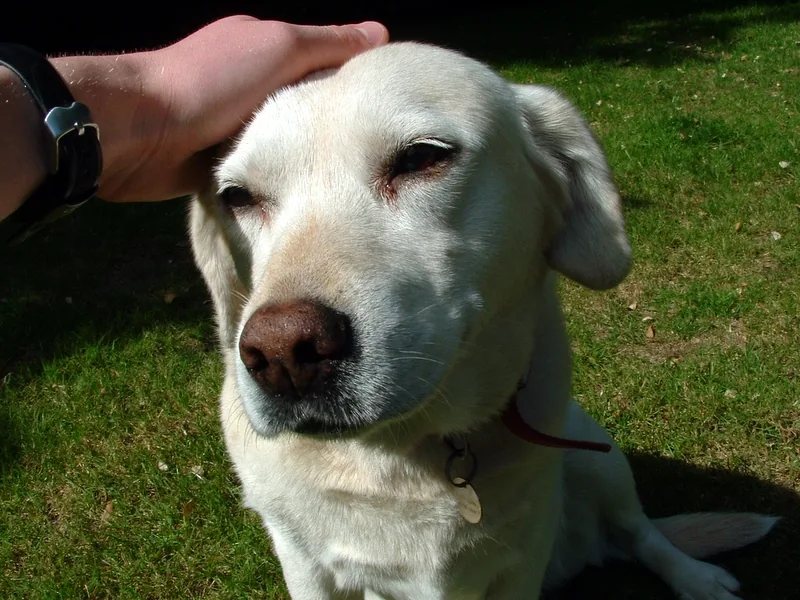
Editorial note: Prepared with AI assistance by Pet Living Magazine using the sources below. This article has not been reviewed by a veterinarian; individual care questions belong with your veterinary team. The photograph is representative editorial imagery, not a demonstration of every recommendation.
Prepared with AI assistance and source checks. General editorial information; no veterinarian-review claim. Report a correction.