The doorbell is a difficult place to begin teaching a new greeting. Guests move, bags swing, and the dog has several exciting things to investigate. Rehearse in a quiet setting first, with a helper who can follow instructions. The practical goal is a manageable greeting and an easy exit, not a dog required to tolerate every visitor’s enthusiasm.
Choose the response you will reward
Decide what the dog can do instead of jumping toward a person: keep four paws on the floor, approach calmly, or remain at a comfortable distance with you. Use a behavior already within the dog’s ability and rewards appropriate to the dog. Keep food portions within the daily feeding plan.
AVSAB recommends reward-based methods for dog training. Arrange the environment to make the chosen response easy rather than correcting the dog after an overwhelming arrival. If the dog has a history of fear, aggression, guarding, or distress around people, obtain an individual veterinary and behavior plan before practicing greetings.
Start with a quiet helper
Have the helper stand or sit calmly with room for the dog to move away. Begin at a distance where the dog can respond comfortably. Reward the chosen behavior promptly. Ask the helper to avoid leaning over, grabbing, or calling repeatedly. The exercise does not need contact to be successful.
Keep repetitions short and pause between them. If the dog becomes more excited or uncomfortable, increase distance and simplify the situation. Do not keep pushing until the dog finally stops moving. You want a response the dog can offer in a manageable setting, not exhaustion mistaken for learning.
Add arrival details separately
Practice one small change at a time: the helper takes a step, carries a bag, or moves toward the seating area. Leave the front door secured until a safe household arrangement is established. A gate or comfortable separate room can manage real arrivals while training develops.
Ask every caregiver to use the same greeting instructions. If one person encourages jumping and another rewards feet on the floor, the household creates a confusing pattern. Keep visitor expectations simple: wait, let the dog approach if appropriate, and respect movement away.
Use management on the actual visit
Secure the dog comfortably before opening the outside door. Let guests settle before any optional introduction. Children require active adult supervision, and separation may be the right choice when attention cannot remain on the interaction. Do not use a child as the training helper for a difficult greeting.
After the visit, note what worked and what needed more distance or preparation. Share concerning changes with the appropriate professional. Polite greetings develop through manageable practice and household consistency, while secure doors and a respected resting option make the real event easier now.
Rehearse with one arrival detail
After easy practice with a calm helper, choose a single arrival detail to introduce under a suitable training plan. The helper might carry a bag while remaining settled, or take one small step toward a chair. Keep the dog’s comfortable distance and reward the response you selected. Avoid adding a doorbell, open door, crowd, and moving child all at once.
Record what changed and how the dog responded. If the new detail made the exercise difficult, simplify and seek help as needed. A visitor rehearsal should never require someone to accept unsafe contact. Keep real arrivals managed with the secure resting or barrier arrangement while the skill develops. Tell guests the same brief instructions before they arrive. Progress is useful when the dog can repeat the response in a manageable setting and the household knows which situations still need management. It is not measured by how many people can surround the dog without the handler noticing a problem.
Keep a quiet greeting available
Some visits can begin and end with the dog resting comfortably away from guests. That remains a valid household option even after practice improves. Do not assume training creates an obligation to introduce the dog at every gathering. Review the visitor group, supervision, and dog’s current comfort each time, using the individual professional plan where relevant. Predictable management can support learning without asking for a performance.
Connect this task to the wider care plan
Keep reward timing and the training message understandable by beginning with Your First Marker-Training Session: Make the Message Clear.
For the wider household arrangement around people arriving and leaving, use Hosting Guests When Your Pet Needs Space.
To offer manageable choices that fit the dog’s individual preferences, read Give Your Dog a Choice: A Small Enrichment Menu for Busy Days.
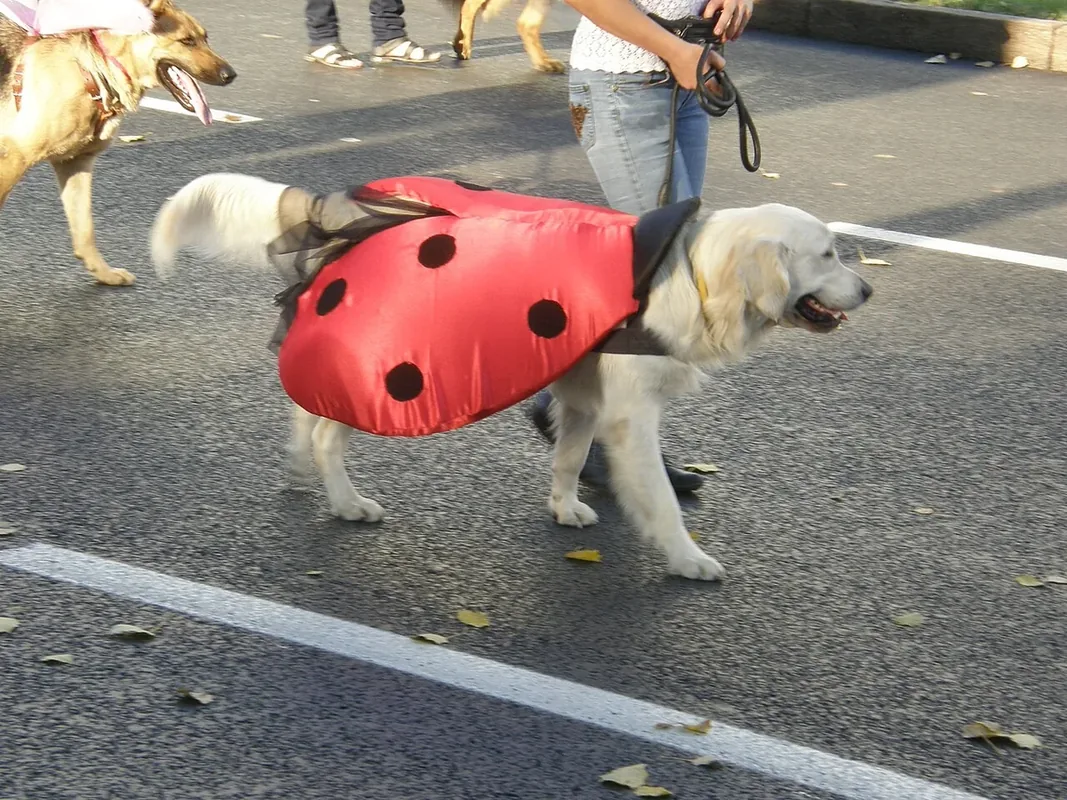
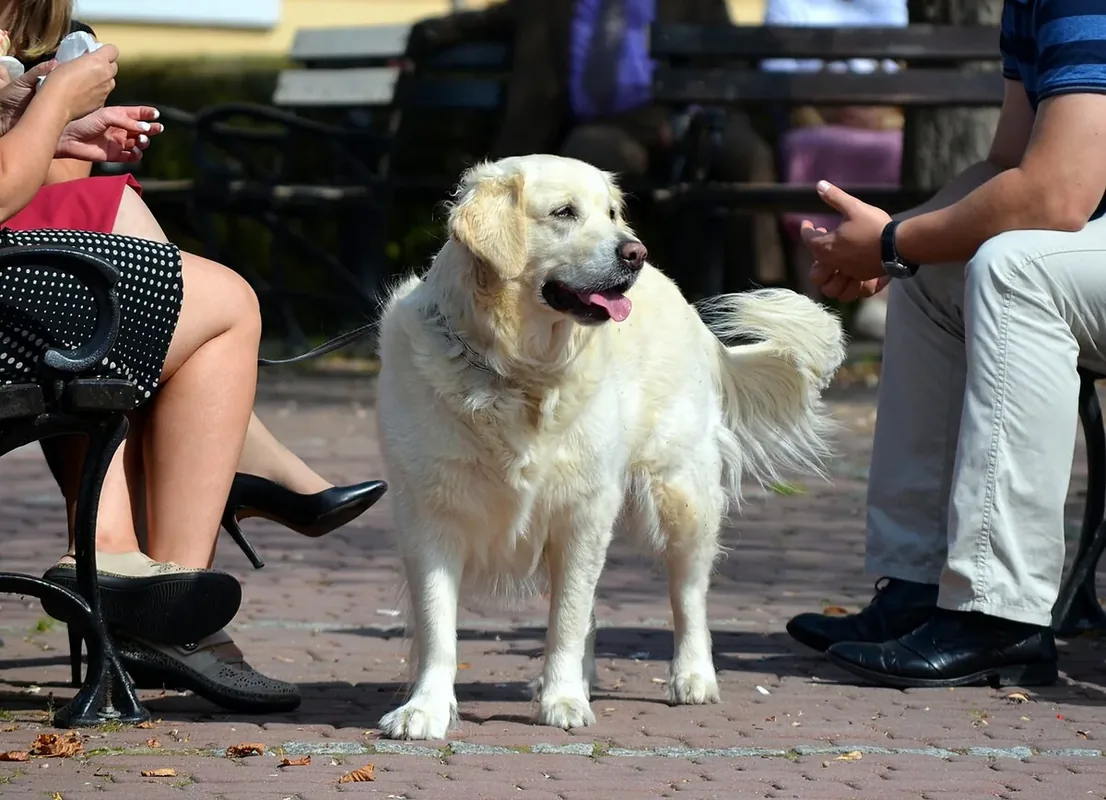
Editorial note: Prepared with AI assistance by Pet Living Magazine using the sources below. This article has not been reviewed by a veterinarian; individual care questions belong with your veterinary team. The photograph is representative editorial imagery, not a demonstration of every recommendation.
Prepared with AI assistance and source checks. General editorial information; no veterinarian-review claim. Report a correction.