A visit to horses, goats, or backyard poultry can be memorable without becoming a free-for-all around gates and feed bins. Boundaries begin before visitors enter. Explain where people stand, which animals they may approach, whether any contact is appropriate, and who has responsibility for supervising the visit. Keep the animal’s routine ahead of the photograph.
Set the route before guests arrive
Choose a visitor path that avoids machinery, unstable footing, feed storage, manure areas, and animal handling bottlenecks. Check gates and fences, and secure other household pets. A visitor who has never handled livestock should not be expected to understand every latch or electric-fence arrangement at a glance.
Use established animal-care guidance and local requirements when planning access. The American Veterinary Medical Association emphasizes responsible care and suitable animal welfare. Your own practical rules should reflect the species, individual animals, site conditions, and the handler’s ability to manage the group safely.
Keep one handler in charge
Name the experienced adult who controls animal access. Visitors should not open gates, distribute feed, or enter an enclosure without that person’s instruction. Do not let the job change hands casually while someone takes a call. If the handler’s attention moves elsewhere, pause or end the animal interaction.
Keep children close under active adult supervision. Avoid placing a child between animals or beside a route where a horse or goat must pass. A gentle animal still moves with strength and may react to an unfamiliar event. Do not rely on previous successful visits as proof that the same arrangement is suitable today.
Treat feeding as an optional managed activity
Visitors should not bring snacks for the animals or offer food without approval. Diet, medication, competition, and handling behavior can all affect whether feeding is appropriate. If the established plan allows a feeding activity, the handler selects the food and method and keeps the group controlled.
Provide a different way to participate when contact is unsuitable: observe behavior from a safe boundary, help prepare approved equipment while animals are elsewhere, or learn about the daily routine. A successful visit does not require touching every animal. Let an animal move away without visitors following it.
Build hygiene into the departure
CDC guidance for backyard poultry recommends handwashing and keeping food and drinks out of the animal area. Make appropriate hygiene arrangements for the whole visit and species involved, and explain them before guests become distracted. Keep animal-care equipment separate from picnic supplies.
Check every gate after the group leaves and confirm animal location. Note any practical difficulty, such as a visitor route that became crowded, and revise the plan before the next visit. Clear boundaries make a relaxed encounter possible because people know what to do and the animals retain a workable, familiar environment.
Use a briefing that fits at the gate
Before entering, give visitors three clear instructions: follow the designated handler, do not open gates or feed animals, and use the agreed hygiene routine before returning to household activities. Add any species-specific or individual restrictions. Keep the briefing concrete and demonstrate the route, especially for children and people unfamiliar with farm settings.
Ask guests to leave food, drinks, and unsuitable belongings in the designated safe place. Explain that an animal moving away ends an optional interaction. If someone cannot follow the instructions, provide a safe observation alternative or end that part of the visit. Afterward, check the gate sequence and note any route that became crowded. Revise the arrangement before the next group rather than relying on repeated verbal correction. A useful briefing makes the limits predictable while leaving room to enjoy the animals. It should be short enough to remember and supported by a site layout that gives visitors no reason to cross an unsafe boundary.
End the visit before supervision changes
If the designated handler needs to leave, pause animal access and close the visit sequence before responsibilities move elsewhere. Do not assume another guest can take over because they seem confident. Secure gates, account for animals, and use the agreed hygiene route. The group can continue observing from a suitable boundary while an experienced caregiver becomes available, without putting a visitor in charge of an unfamiliar situation.
A quick household check
- Inspect the practical arrangement before the animal uses it or the activity begins.
- Show the responsible caregiver the sequence and confirm that they can carry it out.
- Keep the professional contact route available when the usual plan no longer covers a change.
Connect this task to the wider care plan
For a property with goats, review the boundary and access arrangement before visitors with Walk the Fence Like a Goat Would.
For the wider household arrangement around people arriving and leaving, use Hosting Guests When Your Pet Needs Space.
For events outside the home, assess whether animal attendance is appropriate with Before the Pet Expo: Decide Whether Your Animal Should Come.
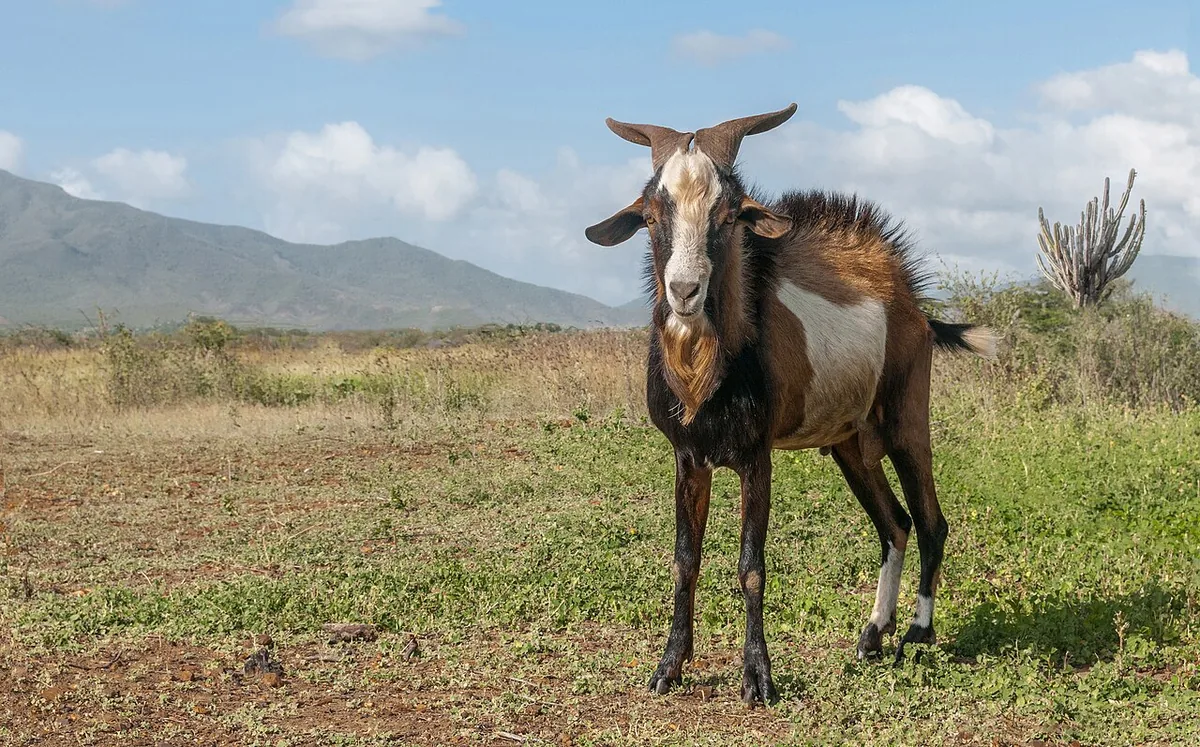
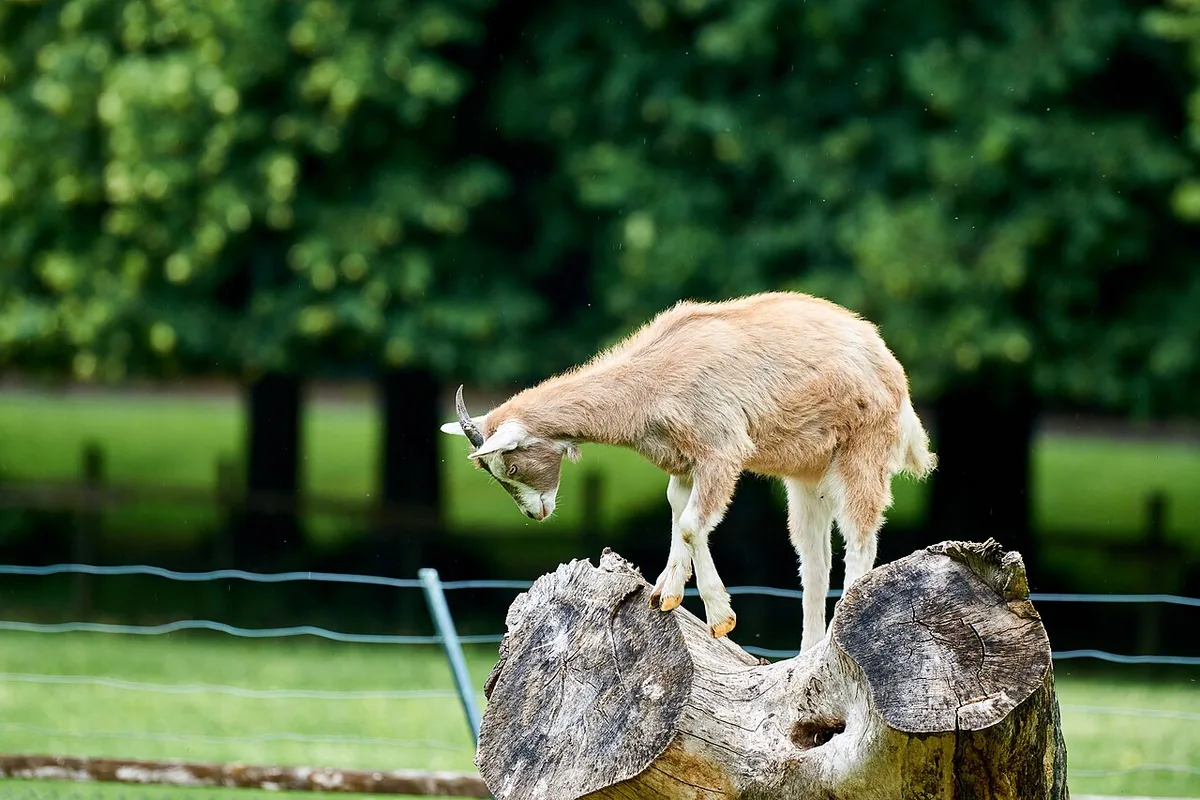
Editorial note: Prepared with AI assistance by Pet Living Magazine using the sources below. This article has not been reviewed by a veterinarian; individual care questions belong with your veterinary team. The photograph is representative editorial imagery, not a demonstration of every recommendation.
Prepared with AI assistance and source checks. General editorial information; no veterinarian-review claim. Report a correction.