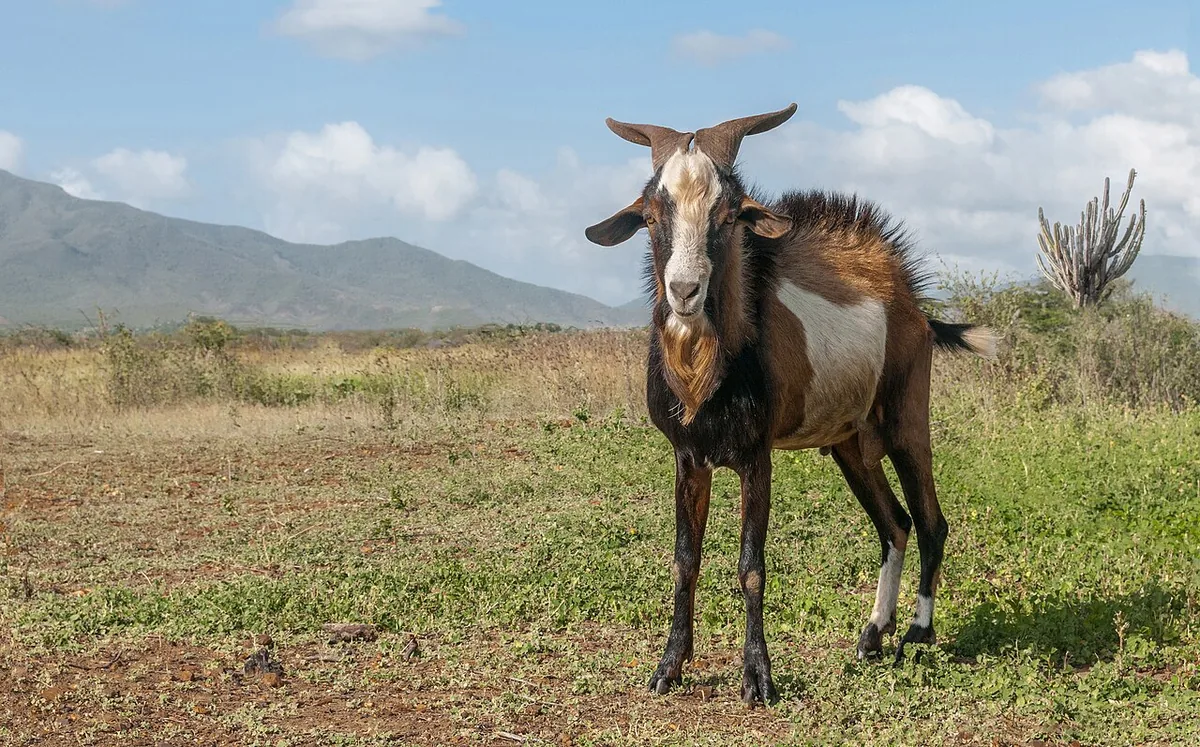
A goat enclosure needs an inspection from more than standing human height. Look at low gaps, corners, objects beside the boundary, and the way gates behave when pushed. A systematic fence walk helps you see the arrangement as a working containment system rather than a line on a property map.
Confirm the intended system
Penn State Extension emphasizes strong goat fencing that contains livestock and helps exclude predators. The suitable design depends on the animals, terrain, and local conditions. Consult experienced livestock-fencing support before selecting or modifying materials, particularly where electricity, horn entrapment, or predators require specific planning.
Write down the fence type and the reason it was chosen. Keep installation and maintenance instructions available. A repair should preserve the intended system rather than combine incompatible pieces simply because they are already in the shed.
Walk low, then high
Inspect along the base for erosion, gaps, lifted material, or digging. Then check panels, connections, corners, posts, and the top line. Do not crawl into an unsafe position or inspect electrical components while ignoring their operating instructions. Secure the animals separately when a repair requires access to the boundary.
Photograph damage and describe the exact location. “East corner beside water line” is a usable task. “Goats getting out again” is a frustration that still needs an inspection.
Audit nearby objects
Look for equipment, stacked material, or structures close enough to change the boundary’s practical height or create a trapping space. A fence can be intact while its surroundings make it less effective. Review the whole route and remove hazards appropriately.
Check that hay, water, and shelter access do not funnel goats into a crowded corner. Observe how the animals use the space, and note repeated displacement or uncomfortable access. Habitat design and individual social arrangements deserve knowledgeable advice rather than assumptions about a fixed “herd boss.”
Test the gates during normal use
Open and secure each gate according to its intended method. Is the latch fully engaging? Can a person carrying supplies operate it reliably? Does routine entry require leaving the boundary unsecured? Plan a safe sequence and make the household follow it.
Use clear signs or instructions for visitors and service workers. A gate that is secure only when the usual keeper remembers a special trick needs a practical improvement.
Keep an action list
Mark each area checked, needing repair, or unavailable until corrected. Assign responsibility and confirm the correction before restoring access. Preserve photographs of recurring problems so a professional can review why the same section fails.
Repeat inspections after storms, ground changes, animal arrivals, and equipment work. A fence walk does not guarantee containment. It gives you a dependable way to find weak points and a record that makes careful repairs easier to manage.
Editorial note: Prepared with AI assistance by Pet Living Magazine using the sources below. This article has not been reviewed by a veterinarian; individual care questions belong with your veterinary team.
Prepared with AI assistance and source checks. General editorial information; no veterinarian-review claim. Report a correction.