A backyard coop is easier to manage when every care round follows a recognizable sequence. Count the birds, check essential resources, look at the enclosure, and record anything different. The routine gives a substitute keeper a usable plan and helps you notice changes before they become background noise.
Begin with the actual flock
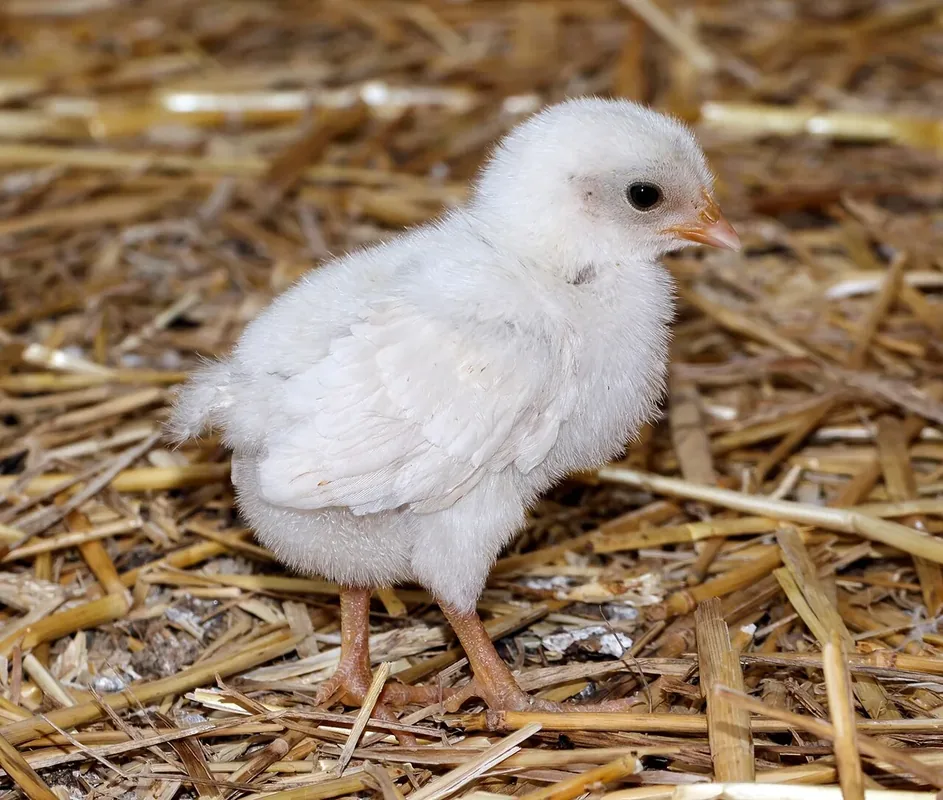
Keep a current list of birds with photographs or clear identifying details. Count them at the appropriate daily checks, including secure housing at night. A general impression that the flock is present can miss one bird hidden away or outside the enclosure.
Write down who completes each care round and how completion is confirmed. If two people share duties, use a simple dated checklist rather than assuming the other person went out. Preserve exact instructions for any prescribed treatment; flock-wide improvisation is not a substitute for veterinary guidance.
Check access before topping up
Look at water and feeding equipment before replenishing it. Is it clean, functioning, and reachable by every bird? Has bedding, debris, or equipment blocked the approach? Filling a container does not prove the flock can use it appropriately.
Penn State’s small-scale poultry housing guidance emphasizes appropriate space, ventilation, and predator protection. Apply those priorities to your inspection: note damp areas, damaged boundaries, insecure doors, and changes in airflow. Ask local extension or a poultry veterinarian for help with the design and stocking needs of your flock.
Look at the floor and boundaries
Follow the same route through the coop and run. Check for sharp objects, damaged surfaces, unusual dampness, and evidence of intrusion. Record specific locations and make unsafe areas unavailable until corrected where necessary.
Do not focus only on the obvious door. The roof, ground-level perimeter, openings, and latches all belong in the inspection. Choose appropriate protection for local predators with knowledgeable guidance rather than assuming one mesh product addresses every risk.
Observe before disturbing
Take a brief quiet look at how the birds stand, move, and approach resources. Note an individual repeatedly withdrawn from normal activity or showing a change in appetite or appearance. Seek timely poultry-veterinary advice for illness, injury, or unexplained deaths.
Do not attempt to diagnose a flock condition from a photograph online. Keep observations, dates, recent arrivals, feed changes, and relevant environmental details ready for the professional you contact. Follow applicable biosecurity guidance for visitors, equipment, and new birds.
Make chores traceable
Separate daily checks from scheduled cleaning and repairs. Record what was done and which products or materials were used. Keep flock equipment distinct from household food-preparation equipment, and use appropriate hand hygiene after poultry care.
Review the routine after seasonal changes or a new housing arrangement. The goal is not a perfect checklist filled in after the fact. It is a repeatable sequence that reveals whether every bird, resource, and boundary received the attention it needed.
Editorial note: Prepared with AI assistance by Pet Living Magazine using the sources below. This article has not been reviewed by a veterinarian; individual care questions belong with your veterinary team.
Prepared with AI assistance and source checks. General editorial information; no veterinarian-review claim. Report a correction.