The best horse-care log is one another responsible caregiver can use at dawn without calling you for every detail. It connects the individual horse, the feeding plan, routine observations, turnout, equipment checks, and veterinary instructions. Keep it brief enough to complete honestly.
Identify the horse and the plan
Put the horse’s name, identifying details, veterinary contact, and emergency instructions at the top. Include where essential equipment and records are stored. If multiple horses share a barn, make individual care differences conspicuous instead of burying them in a general note.
University of Minnesota Extension encourages familiarity with a horse’s normal behavior and involvement in daily care. Your log translates that approach into observable entries. Ask your veterinarian what monitoring is appropriate and which changes require an immediate call.
Record feeding as an action
List the established ration clearly with units, feed identity, and timing. Use verified measurements rather than ambiguous directions such as “one scoop,” unless that scoop’s amount and feed have been specified in the care plan. Keep nutrition changes under appropriate professional guidance.
Record what was offered and any meaningful difference in what was eaten. Include water access and equipment function. A caregiver should not need to reconstruct yesterday’s feeding from how empty a bin looks.
Separate observations from conclusions
Write plain descriptions of appetite, movement, demeanor, and droppings. “Left part of usual hay and stood apart from group” preserves more useful information than “being picky.” Include time and any recent change in turnout, feed, or equipment.
Concerning signs require professional advice; do not postpone a call until the log contains several days of data. Follow your veterinarian’s instructions for recording vital signs and handling the horse safely. Avoid attempting procedures you have not been taught to perform.
Make turnout and boundaries visible
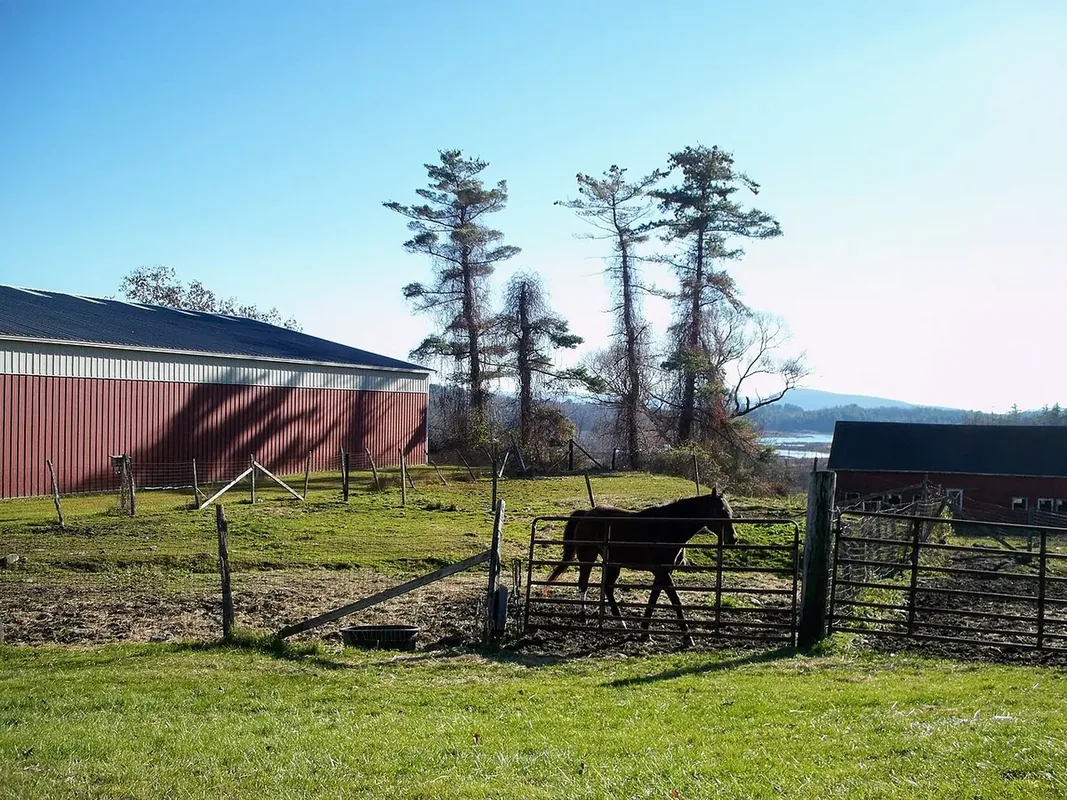
Record the intended turnout area and any restrictions. Include completion of the gate, fence, water, and shelter checks. Mark areas unavailable until repairs are completed so a substitute keeper cannot mistake an open gate for permission.
If another person moves the horse, note who did so and when. A shared care system should make the current location easy to verify without relying on memory or a chain of text messages.
Protect treatment accuracy
Keep prescribed medications in a separate clear section with the veterinary instructions, responsible person, and a completion record. Do not change doses or schedule based on an improvised interpretation of the log. Clarify missed or uncertain administration with the prescribing team.
Review what people actually use
After a week, remove redundant fields and clarify any ambiguous instruction. Keep entries dated and corrections readable. Preserve a change history for feed, turnout, and care instructions so an older printed sheet cannot silently become the current plan.
A usable log makes responsibility visible and gives the veterinary team a coherent history. It should support attentive care while leaving the horse’s immediate needs ahead of paperwork.
Editorial note: Prepared with AI assistance by Pet Living Magazine using the sources below. This article has not been reviewed by a veterinarian; individual care questions belong with your veterinary team.
Prepared with AI assistance and source checks. General editorial information; no veterinarian-review claim. Report a correction.