A pasture deserves an inspection even when the horses look content and the grass looks green. A short, consistent walk can reveal a loose latch, blocked water access, or a worn patch before those details disappear into the background. The time label is a reminder to make the habit manageable, not a guarantee that ten minutes covers every property.
Choose a dependable route
University of Minnesota Extension recommends safe fencing and attention to pasture management. Begin at the gate and follow the perimeter before checking water, shelter, and the main paths horses use. For a large property, divide the inspection into defined areas while still checking essential resources at every care round.
Carry a notebook or phone for photographs, but keep your attention on safe movement around horses. Do not conduct repairs among loose animals or reach into electrical fencing. Arrange secure separation and follow appropriate equipment instructions when work is needed.
Look at the boundary as a system
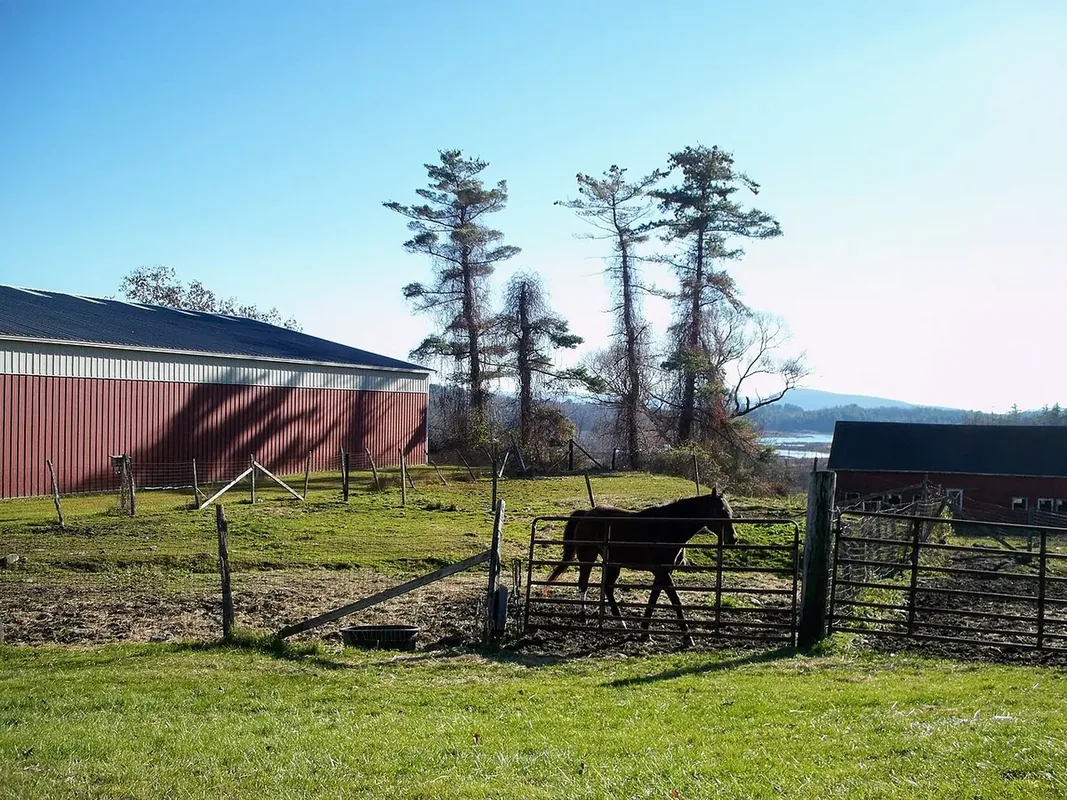
Check gate alignment, latch function, posts, corners, visible damage, and objects close to the fence. Record the location precisely: “north gate lower hinge” is much more useful than “fence problem.” Photograph the detail and identify whether the affected area needs to be taken out of use.
Look beyond the perimeter. A fallen branch, discarded wire, or new hole may become a problem inside an otherwise secure field. Treat the walk as an inspection rather than relying on a horse’s willingness to use the area as proof that it is safe.
Follow the horses’ routes
Observe the path to water and shelter. Is access obstructed or made difficult by mud, ice, equipment, or another horse? A trough being full is not equivalent to every horse having dependable access. Record repeated waiting or displacement and discuss management options with knowledgeable support.
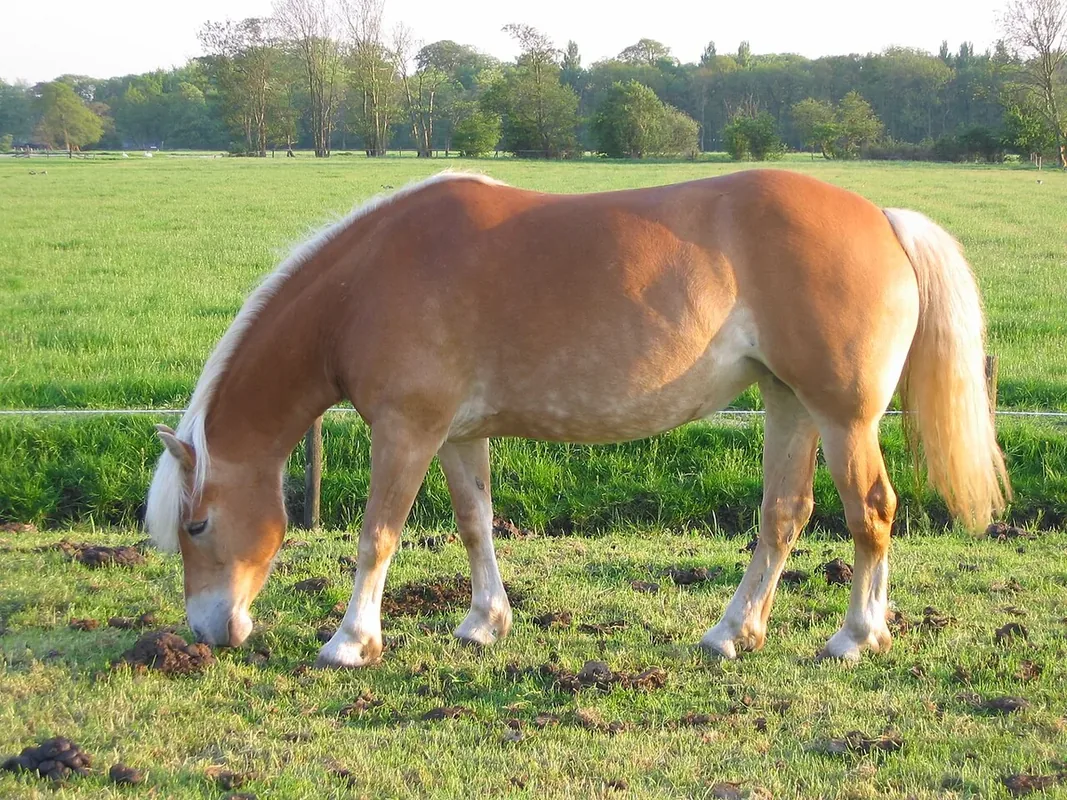
Watch ground conditions near gates and high-traffic areas. Extension guidance includes resting pasture and using a suitable dry lot when pasture needs recovery. Ask your local extension service and veterinarian about a plan suited to your soil, climate, stocking, and horses; one acreage figure cannot describe every property.
Identify plants with help
Keep photographs of unfamiliar vegetation and consult local knowledgeable resources for identification and management. Do not feed a plant to see whether a horse likes it or assume anything growing in pasture is safe. Avoid applying chemicals without understanding livestock access instructions and the actual product label.
Turn observations into tasks
Use three simple statuses: checked, action needed, and area unavailable until corrected. Assign a person and completion date for each action. Verify repairs before restoring access rather than deleting the note when materials are purchased.
Add the pasture inspection to the daily care log. The record should show what was found, what changed, and which areas are available. It keeps the property’s condition visible to everyone who cares for the horses.
Editorial note: Prepared with AI assistance by Pet Living Magazine using the sources below. This article has not been reviewed by a veterinarian; individual care questions belong with your veterinary team.
Prepared with AI assistance and source checks. General editorial information; no veterinarian-review claim. Report a correction.