A foster profile works best when it helps someone imagine the actual care arrangement, not an idealized character. Specific observations, current needs, and clear uncertainty can make a more useful introduction than superlatives. Work through the rescue’s publication process and keep medical, behavior, and adoption claims within what the organization can verify.
Write observations with context
Describe what the pet did in a particular setting: rested beside a desk during a quiet afternoon, used the current litter arrangement, or enjoyed a short walk on a familiar route. Add the duration and limitations of your observation where useful. Avoid universal claims such as perfect with every child or guaranteed housetrained. A foster home provides valuable evidence, but it is still one environment. Separate information supplied by the rescue from what you personally observed.
Images should support the animal’s comfort and describe the situation honestly. The pet-photo guide offers practical preparation, permission, and caption questions to apply before sharing a story or celebrating an outing. Start with Better Pet Photos Start With the Animal's Comfort.
Show the daily care shape
Explain the ordinary rhythm in plain language: feeding arrangements, rest, exercise or enrichment, and the management that has helped. Mention the type of home setup without disclosing private addresses. If the pet needs a protected rest area or gradual introductions, describe that practically. Do not conceal a meaningful care requirement beneath a joke. Let the rescue approve sensitive behavior and health information so the profile remains accurate and consistent with the adoption process.
Choose photos that tell the truth
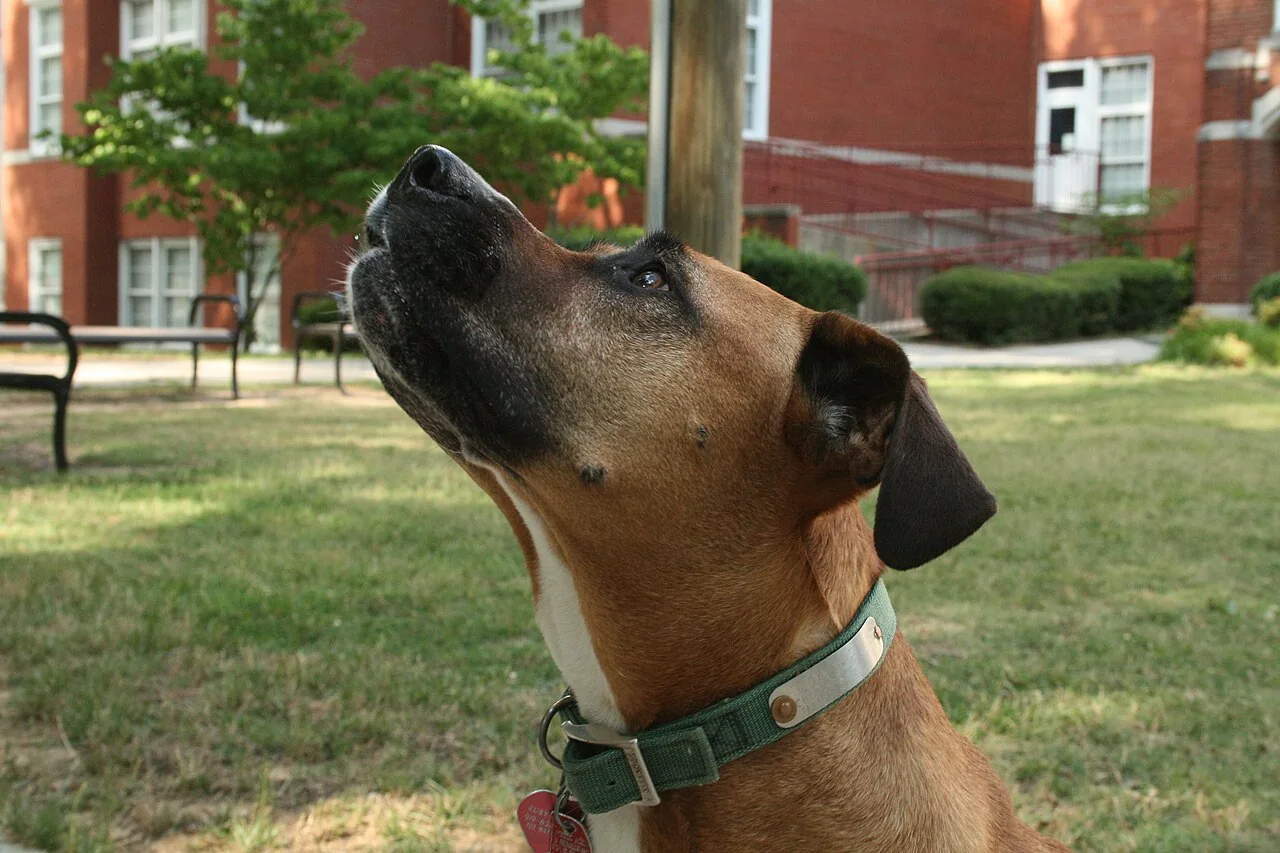
Photograph comfortable ordinary moments and avoid props, forced poses, or interactions the animal finds stressful. A clear portrait and a photo showing relaxed activity can give useful variety. Check the background for private details, medication labels, or identifiable people who have not consented. Record who took each image and what reuse permission they grant. Send original files through the rescue’s preferred route. An attractive picture should complement accurate information rather than replace it.
The right preparation begins with an honest description of the animal and the home. Use the adoption questions guide to discuss observed history, unknowns, and the management the household can realistically provide. Start with Ask Better Questions Before You Adopt.
Finish with a clear adoption path
Use the rescue’s official application or contact page and ask staff to confirm availability before publishing. Do not invent an urgency deadline or a medical prognosis to encourage sharing. Update the profile when new verified information changes the picture, and retire outdated adoption posts according to the organization’s process. If you receive questions outside your role, refer them to staff. A useful profile invites a thoughtful match and gives the next conversation a reliable starting point.
A practical example
A foster dog rested beside the desk during three quiet afternoons. Describe that observed setting instead of promising it will be calm in every workplace. Specific context helps applicants ask better questions about their own home.
Your preparation checklist
- Describe observed behavior and its setting.
- Explain the daily management that has helped.
- Ask the rescue to approve sensitive claims.
- Use comfortable photos with clear permission.
- Link the current official adoption process.
Helping animal welfare organizations can include dependable practical work as well as adoption. The rescue-support guide explores contributions you can organize around actual needs and a realistic commitment. See Five Practical Ways to Help a Rescue Without Adopting.
Make the next decision clear
Publish through the rescue with concrete observations and a verified route for applicants. If a statement is too broad to support, narrow it to the situation you observed. If availability or care details change, update the profile promptly. The most effective story gives the right household enough honest information to ask better questions.
Source context: The public primary material used for this article is linked here so readers can examine the original guidance, product information, or dated announcement: ASPCA: Adoption tips. Interpretations and practical planning examples are Pet Living Magazine’s editorial suggestions.
Editorial note: Prepared with AI assistance by Pet Living Magazine using the primary sources linked above. This source-prepared article has not been reviewed by a veterinarian; individual health, handling, and care questions belong with an appropriate qualified professional.
Prepared with AI assistance and source checks. General editorial information; no veterinarian-review claim. Report a correction.