An amphibian habitat can be fascinating without the animal being lifted out for every visit. Observation gives you a view of movement, feeding, and use of cover while keeping routine handling modest. Build your interest around the species’ active hours, the habitat’s viewing angles, and a record of ordinary behavior rather than a sequence of staged photographs.
Choose a comfortable viewing position
Watch from outside the enclosure with ordinary, appropriate room lighting. Do not shine a bright light repeatedly into a resting animal’s face. Check the species-specific husbandry plan before changing nighttime illumination. A red or blue lamp is not automatically invisible or suitable simply because a shop labels it for viewing.
Keep the enclosure secure and environmental conditions stable. Observe how the animal uses existing cover rather than removing it for a better photograph. If the frog spends time hidden, that is part of the habitat’s function. Your view should adapt to the animal’s needs, rather than the other way around.
Record a few useful facts
A short entry can include time, animal location, visible activity, feeding offered under the established plan, and relevant environmental readings. Use the same terms so another caregiver understands the entry. “On rear leaf after lights changed” is clearer than “acting mysterious.” Avoid turning a small observation into a medical explanation.
Photograph the whole enclosure occasionally to preserve the layout and equipment position. Keep flash and repeated disturbance out of routine viewing. If you need a photograph for the veterinarian, ask what angle is useful and stop if obtaining it would require unsafe handling or prolonged disruption.
Keep handling for a defined purpose
Ask your amphibian-experienced veterinarian about appropriate handling for the species and task. Avoid improvising a method from general advice for reptiles. Amphibian care can require specific precautions for skin contact and environmental conditions. A child should not handle the animal simply because it is small.
CDC guidance explains that amphibians and their environments can carry germs even when animals appear healthy. Wash hands after habitat work and keep cleaning away from food-preparation areas. Viewing through the enclosure can let visitors enjoy the animal while reducing unnecessary contact and preserving suitable hygiene.
Know when observation should lead to a call
Report an unexpected change in activity, feeding, appearance, or movement to your veterinary team. Bring dated observations and the environmental record. Do not wait to produce a perfect video before seeking advice, and do not diagnose from a photograph or online comparison.
A useful observation habit is brief, repeatable, and easy to hand over. It helps you notice differences while leaving the animal’s ordinary life intact. Over time, the reward is familiarity with the habitat: the places used, the quiet transitions, and the routines that make a small, carefully maintained environment interesting without demanding constant interaction.
Choose three repeatable observations
Start with location, visible activity, and the relevant environmental readings already included in the care plan. Keep the same observation time when practical, while respecting the species’ active hours. A short consistent record is easier to compare than occasional long descriptions made under completely different conditions. Do not remove cover to ensure the animal appears in every entry.
If the frog is not visible, record that honestly and check according to the established care plan. Do not turn every hidden period into a search that disrupts the habitat. Discuss monitoring needs with the amphibian veterinarian when visibility is limited or health is a concern. Share the record with other caregivers so they understand what an ordinary observation includes. The system should help you notice a change while preserving the animal’s opportunities to hide and rest. Its value lies in accurate context and appropriate follow-up, not in producing a daily portrait of an animal that may prefer to remain out of view.
Connect this task to the wider care plan
Keep amphibian viewing connected to the habitat’s appropriate environmental record with Humidity Without Guesswork: A Frog Keeper’s Observation Plan.
Bring factual observations and the relevant routine to a clinical conversation with Bring the Story: Build a Useful History for Your Next Vet Visit.
When documenting an animal or its environment, preserve comfort and accurate context with Better Pet Photos Start With the Animal's Comfort.
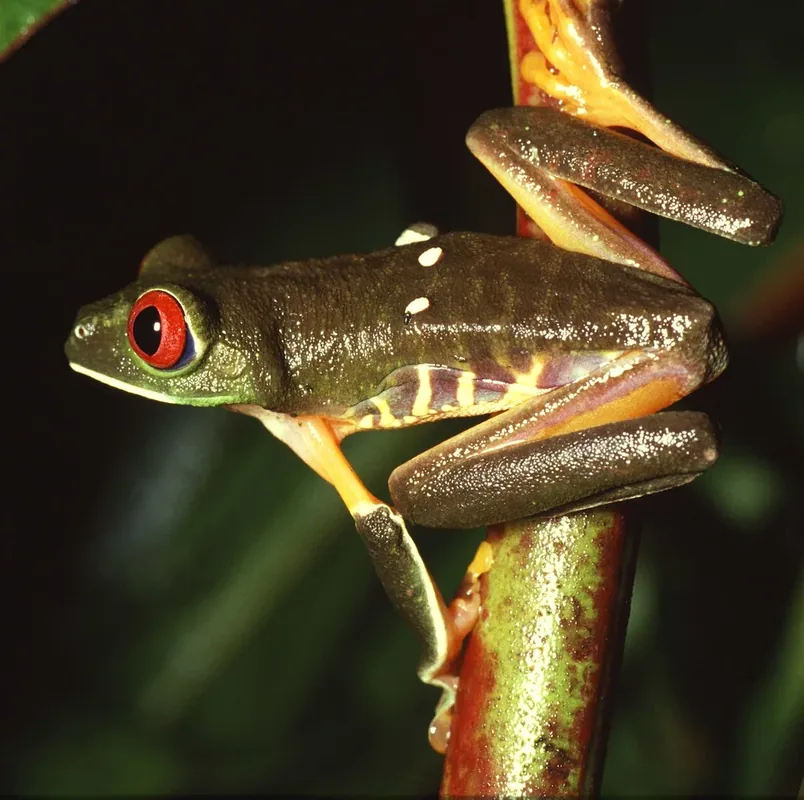
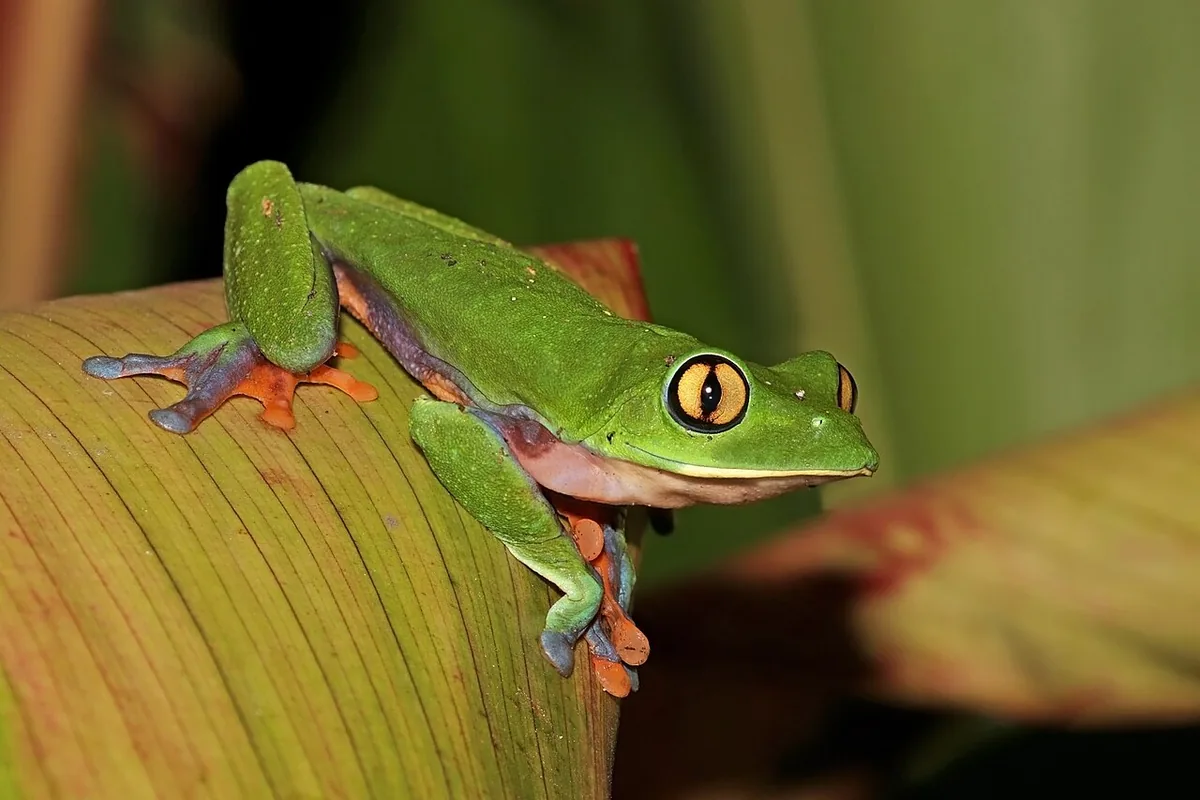
Editorial note: Prepared with AI assistance by Pet Living Magazine using the sources below. This article has not been reviewed by a veterinarian; individual care questions belong with your veterinary team. The photograph is representative editorial imagery, not a demonstration of every recommendation.
Prepared with AI assistance and source checks. General editorial information; no veterinarian-review claim. Report a correction.