A manure plan starts with the daily wheelbarrow route and ends with a suitable destination. Between those points are storage capacity, drainage, access, neighbors, and local requirements. Planning the whole chain prevents a pile from expanding wherever it happens to be convenient, especially when weather or a collection schedule interrupts the normal routine.
Follow a normal day’s material
Record which stalls and turnout areas are cleaned, the bedding used, and where material goes. Include who handles the work and how equipment returns to storage. A route with steep slopes, tight gates, or vehicle crossings may need a safer arrangement even before storage volume becomes an issue.
University of Minnesota Extension recommends a manure-management plan and following state storage guidance. Contact your local Extension office or relevant conservation authority about a suitable site and applicable requirements. Advice from another region can inform questions, but it does not establish what is acceptable on your property.
Choose the site with water in mind
Assess runoff, nearby wells or water bodies, drainage, and access during wet weather with appropriate local expertise. Do not put a storage pile beside a stream merely because the ground is unused. A design should prevent the daily care route from becoming a source of contamination or a difficult emergency move.
Think about machinery and collection access. A contractor needs to reach the material without driving through an unsuitable area or blocking horse handling. Confirm how gates, overhead space, and ground conditions affect the job. Keep animals separated securely from moving equipment.
Distinguish storage from composting
A pile called compost is not automatically being managed as a composting process. Ask Extension for guidance on suitable materials, moisture, aeration, temperature monitoring, and the intended use of the finished material. Do not assume that any aged manure is free of weeds, parasites, or other concerns.
Keep capacity realistic. Account for the period when material cannot be moved or used, along with changing horse numbers and bedding practices. Put collection or removal dates in the barn calendar and retain the contact details. A plan should still work when the normal contractor is delayed.
Make the routine easy to inspect
Check the site after heavy rain, thaw, or a missed collection. Look for a changing runoff route, damaged containment, unstable surfaces, and access problems. Record what needs professional attention. Avoid spreading material as a hurried solution without considering pasture needs, stocking, local restrictions, and environmental conditions.
Review the plan when horses, stalls, or land use change. Keep it connected to ordinary barn work rather than treating it as a once-a-year document. The useful outcome is a clear route, an appropriate destination, and enough capacity and coordination that daily care does not steadily create a larger property problem.
Compare the wet-weather route
Inspect the normal route after rain when it is safe to do so, keeping horses and machinery appropriately managed. Note where wheels sink, runoff travels, or a gate becomes difficult to open. Ask local Extension or appropriate site professionals about changes rather than moving storage to an unassessed corner of the property. A convenient detour can create a water-quality or access problem elsewhere.
Keep photographs and a sketch with the management plan, including the collection vehicle’s intended approach. Review capacity if removal was delayed or bedding use increased. A simple record of volume and collection dates can show whether the planned storage period matches real barn work. The route should also account for the caregiver’s safety and available equipment; repeatedly handling more than a person can manage safely is not a sustainable plan. Use the review to make one concrete improvement, then verify that it remains appropriate under local requirements and the site’s environmental conditions.
Make collection dates visible
Put the agreed removal date, contractor contact, and backup arrangement in the barn record. Confirm any access instructions before collection, including how horses will be kept away from moving equipment. If the date changes, update the capacity plan rather than allowing the pile to expand without review. A visible schedule helps daily cleaning remain connected to the destination instead of ending at an accumulating wheelbarrow route.
Connect this task to the wider care plan
Connect one barn task to the broader routes and condition of the paddock with The Ten-Minute Pasture Walk: Notice Small Problems Early.
Assign responsibilities explicitly so the household does not rely on assumptions by using A Family Pet Care Agreement That Actually Works.
Keep contacts, appropriate transport, and caregiver responsibilities available through Your Pet Emergency Care Plan: Contacts, Transport, and Records.
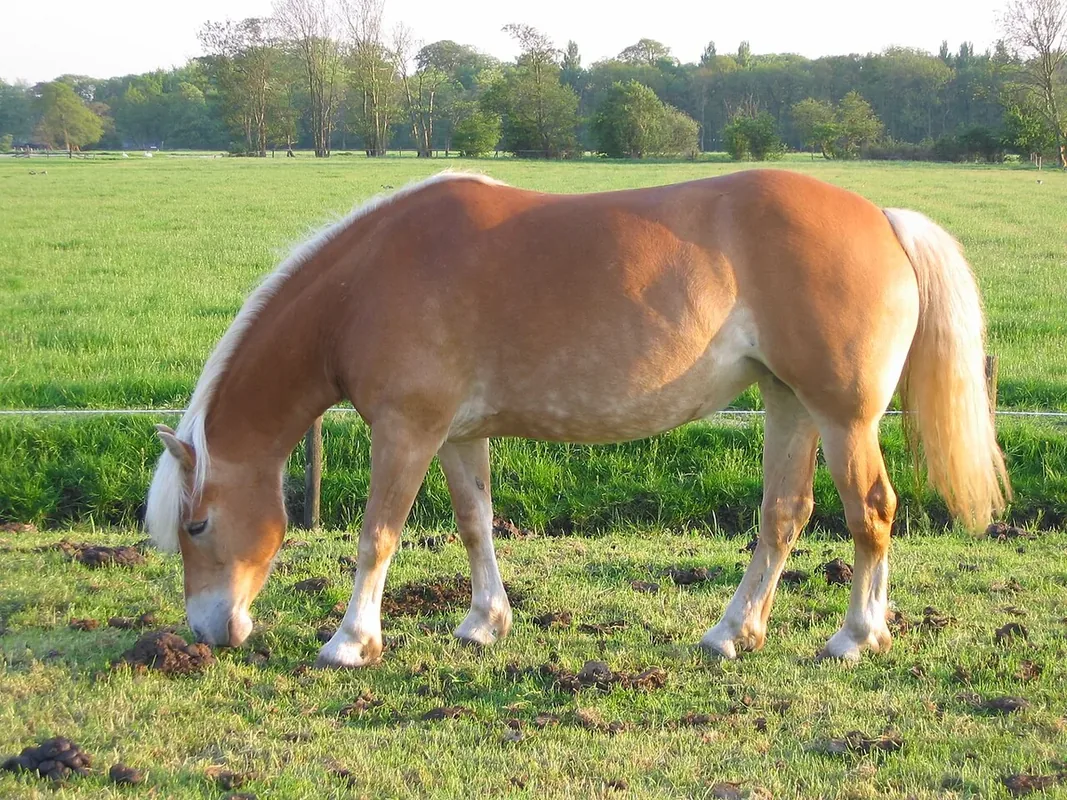
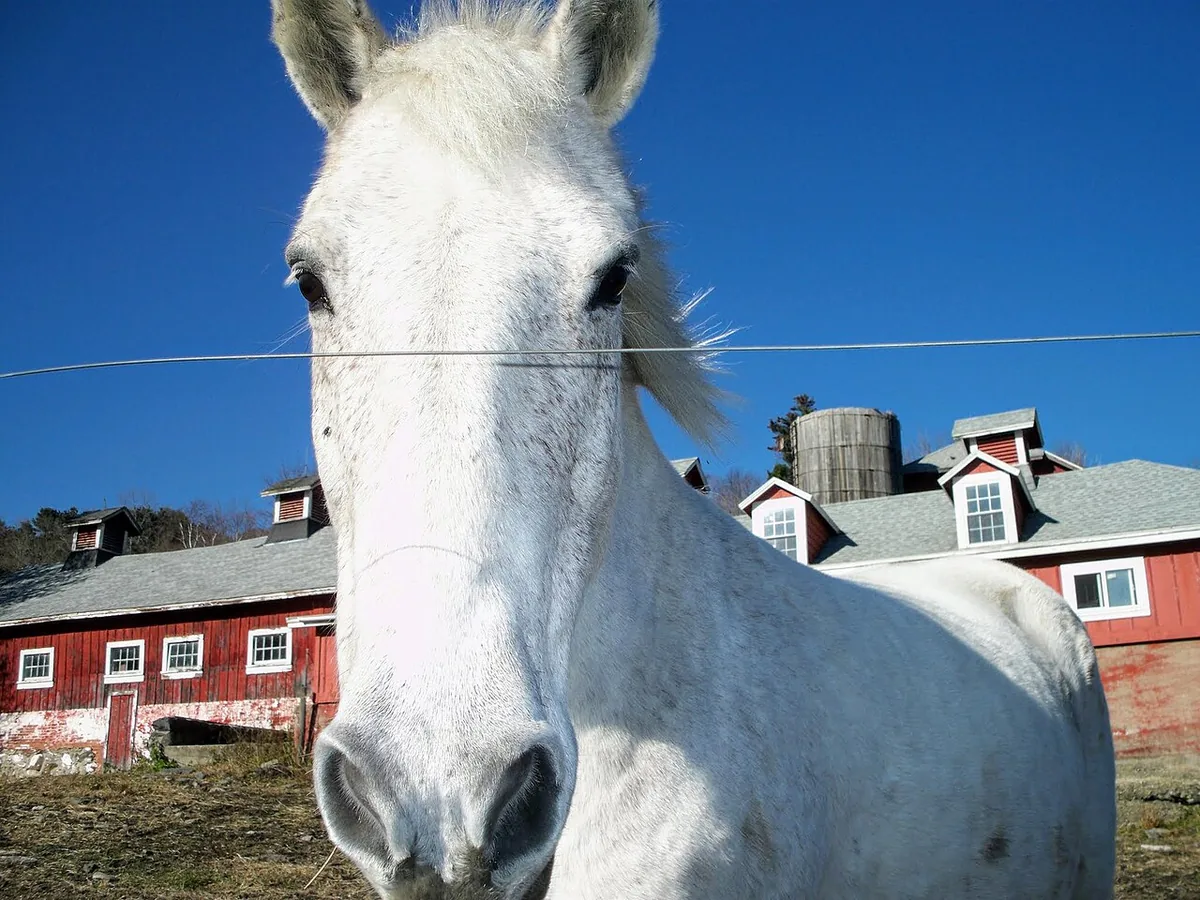
Editorial note: Prepared with AI assistance by Pet Living Magazine using the sources below. This article has not been reviewed by a veterinarian; individual care questions belong with your veterinary team. The photograph is representative editorial imagery, not a demonstration of every recommendation.
Prepared with AI assistance and source checks. General editorial information; no veterinarian-review claim. Report a correction.