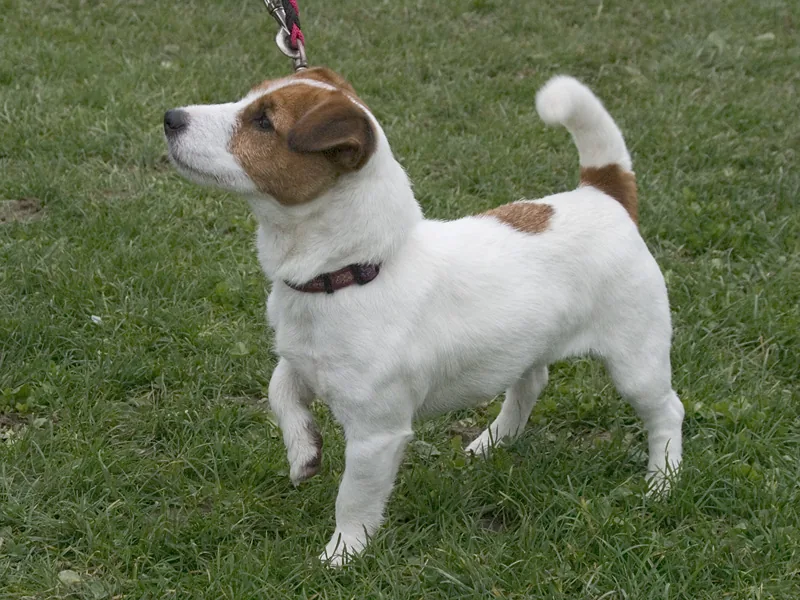
A pet evacuation kit is only one part of a workable plan. You also need a destination, transport, current records, and people who know the sequence. Build the kit around your actual animals and test whether the household can move it, rather than assembling a collection that looks prepared on a shelf.
Choose where the animals could go
Identify options outside the likely affected area and verify which animals each can accept. Ask about size, number, species, required records, and reservation procedures. Do not assume a human emergency shelter can house every pet. Keep more than one option because a destination may be full, unreachable, or affected by the same event.
The AVMA recommends prearranging evacuation sites and practicing transport. Make those recommendations concrete with names, numbers, and routes. Review them whenever an animal’s care needs or your household circumstances change.
Pack by animal and by job
Keep suitable food, water, feeding equipment, sanitation supplies, and necessary transport equipment ready. Use the Ready.gov pet preparation sheet and the NFPA household-pet checklist as starting references. Ask your veterinarian about the appropriate quantities and medical supplies for your animals and local situation.
Label food and medication for each pet. Include the feeding instructions another caregiver would need. Keep equipment that must remain dry protected, and separate cleaning supplies from food. Check that a manual opener is available if any packed food requires one. Pack only items you know how to use safely.
Account for the species
A dog and a cat may need different containment and bathroom arrangements. Birds, small mammals, reptiles, amphibians, and fish can need specialist transport or environmental support. Ask a veterinarian familiar with the species to help plan that part before a warning arrives. A general pet checklist cannot answer every habitat requirement.
Think about a disrupted power supply and the time away from normal housing. Record which equipment is essential and how you will provide the conditions the animal needs at the destination. Do not improvise a heat or ventilation system during a rushed departure without appropriate guidance.
Keep records usable
Pack current identification, medical information, prescriptions, and relevant proof of ownership. Include a recent photograph and distinguishing features for each animal. Store a readable paper set as well as a secure digital copy. A phone with no charge or an inaccessible account should not be the only route to information.
Make a short contact card with your veterinary team, backup caregiver, destination contacts, and emergency services relevant to the animal. Note the date you verified each number. If someone else may evacuate the pet, confirm the necessary permissions and how that person will enter your home safely.
Rehearse the loading sequence
Try moving every animal and the kit with the people who are usually available. Test the vehicle space with empty carriers first, then practice appropriate loading calmly. Work out who secures each animal, who carries supplies, and who checks the doors. Do not create a rehearsal that unnecessarily frightens or endangers a pet.
Notice the real bottleneck. It may be a carrier stored in the attic, a heavy water container, or a person unable to lift a kennel. Change the setup while time is available. Keep transport equipment accessible and familiar enough that it does not become a brand-new challenge during an evacuation.
Make the kit portable and current
Divide heavy supplies into manageable containers if needed and label their purpose. Check expiry dates and replace items according to their storage requirements. Maintain a clear list of things that must be added at departure, such as a refrigerated medication, so the kit does not pretend to contain what cannot be stored there.
Schedule a brief review when routines change and before locally relevant hazard seasons. Confirm destination policies again. A pet’s weight, medication, or household caregiver may have changed since the last packing session.
Use warnings as a decision point
Follow local authorities’ instructions and leave early enough to move the animals safely when directed. Do not delay an evacuation to collect nonessential possessions. If an animal cannot be reached without danger, tell responders its likely location; do not enter or reenter an unsafe area yourself.
The strongest kit supports a practiced plan. It makes the necessary items easier to carry, the records easier to read, and the handoffs easier to perform. You cannot control every emergency, but you can remove many ordinary obstacles before they become urgent.
Arrange care if you are away
An evacuation may begin while you are at work or traveling. Choose a trusted person who has agreed to help, knows the animals, and has a safe way to access the home. Show that person the current kit and transport equipment. Confirm how you will communicate, and what to do if normal phone service is unavailable. Review the arrangement with them regularly rather than leaving a permanent assumption attached to an old spare key.
Prepared with AI assistance and source checks. General editorial information; no veterinarian-review claim. Report a correction.