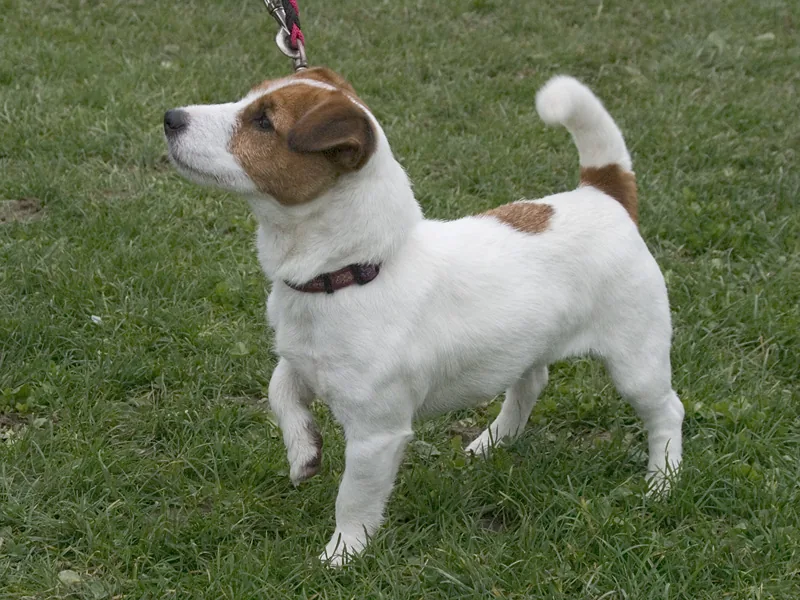
When a pet is missing, the first useful step is to organize people and information while acting promptly. A clear description, a record of the last known location, and consistent contact details help a search avoid confusion. Keep personal safety and the animal’s behavior in mind throughout.
Confirm what you know
Check the home and immediate property carefully, and ask household members when they last saw the animal. Secure other pets before opening doors or gates. Write down the time, location, and circumstances without turning an assumption into a confirmed sighting. A cat behind furniture and a dog seen leaving the yard require different starting information.
The ASPCA’s lost-pet guidance recommends searching nearby and contacting local animal services, shelters, and veterinary facilities. Ask each organization how to file a report and how to check found animals. Procedures and service areas differ.
Create one clear description
Use a recent photograph, species, size, color, distinguishing features, and the last confirmed location. Include a reliable contact method and a backup if appropriate. Keep the same core information across flyers and digital posts. Record updates clearly so an older location is not mistaken for the latest one.
Protect sensitive details that could help verify ownership later, and be cautious about strangers demanding money before providing credible evidence. Use the official channels of shelters or clinics when checking a claimed recovery. Do not share account codes or passwords with someone claiming to have found the animal.
Coordinate helpers
Assign specific areas or calls instead of sending everyone in the same direction. Ask people to report exact times and locations of sightings. Keep a shared record so the same lead is not repeatedly treated as new. One coordinator can maintain the current flyer and relay verified updates.
Do not pursue an animal into traffic or ask strangers to chase a frightened pet. If the animal is difficult to approach, contact local animal services or an experienced recovery professional for guidance suited to the situation. A crowd can make a cautious animal move farther away.
Check identification and follow up
Contact the microchip registry through its official process and confirm that your contact details are current. A microchip is identification, not a live location tracker. Keep checking local reports according to each organization’s procedure, and update them when the pet returns.
After recovery, consider a veterinary assessment if there is any injury, illness, or uncertain exposure. Review how the animal escaped and repair the practical weakness. Remove old missing-pet posts or mark them clearly as resolved. The goal is a coordinated response that keeps information accurate while giving your animal the best available path back to safe care.
Save report numbers and the names of agencies contacted so follow-up calls can refer to the correct case.
Prepared with AI assistance and source checks. General editorial information; no veterinarian-review claim. Report a correction.