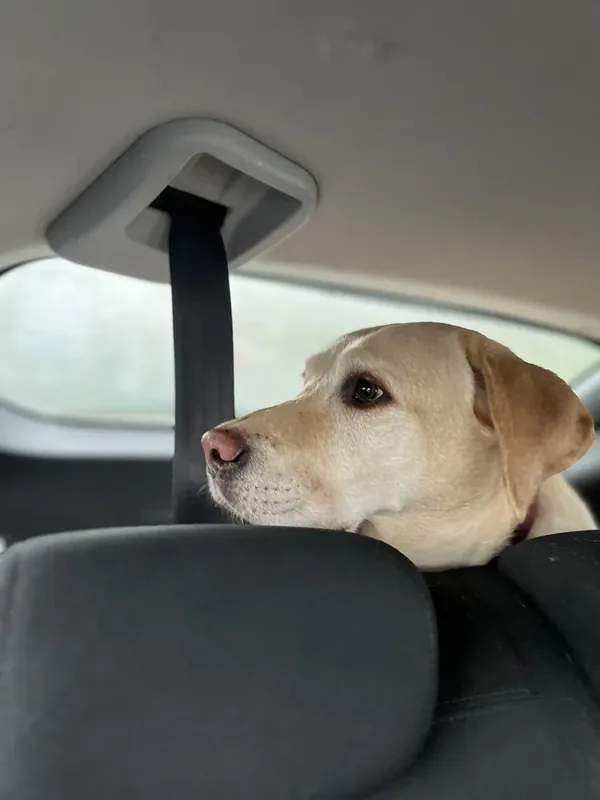
Shenandoah National Park offers a useful setting for a carefully planned dog camping trip, but the park’s pet-friendly reputation should not replace reading the actual rules. Start with a short overnight, realistic access to permitted activities, and a return-home option. This planning feature uses the National Park Service’s published pet guidance checked on October 14, 2026; recheck alerts and campground details before travel.
Read the park rules before booking
Shenandoah’s pet page states that pets are allowed in campgrounds and on most trails, with a physical leash no longer than six feet. Pets are not permitted on ranger programs, and several trails are prohibited. The current list includes Stony Man’s summit trail, Dark Hollow Falls, Bearfence Mountain, Limberlost, and multiple Old Rag routes. Read the complete current list rather than treating these examples as exhaustive. Campground availability and reservation arrangements require a separate check; this article does not confirm an open site for a particular date.
The journey needs a care plan as well as the destination. Use the road-trip guide to organize transport, breaks, records, and a manageable return before turning an outing into a longer adventure. Start with The Dog Road Trip Plan That Starts Before You Pack.
Choose a modest first itinerary
Build the trip around the dog’s ordinary capacity and veterinary advice. Arriving, unloading, exploring a permitted area, and settling in a tent can already be a substantial first day. Avoid adding a difficult hike simply because the park allows dogs on many trails. Choose an activity with a clear turnaround and review the map and current alerts. If the route, weather, or crowd conditions become unsuitable, use a shorter permitted option or return to camp. A booking is not an obligation to complete the original itinerary.
Practice the sleeping setup at home
Assemble the tent and introduce the resting arrangement in a secure familiar setting when the equipment permits. Let the dog investigate without trapping it inside for a trial. Check where the animal will sleep, how you will manage the door, and how adults can leave without creating an escape. Keep ventilation and suitable temperatures in mind. A dog that cannot settle comfortably in the trial may need another plan, more gradual practice, or a different trip format.
Shared outdoor spaces work better when routes, distance, waste, and the return are planned together. The trail guide helps turn access permission into a considerate outing for the dog and everyone nearby. Start with Better Trail Days: Hiking Etiquette for Dogs and People.
Keep ordinary resources dependable
Bring the dog’s appropriate food, drinking water arrangements, familiar safe bedding, waste bags, identification, and care records. Store food and scented supplies within the campground’s current wildlife rules; ask staff if uncertain. Do not use a campsite as an opportunity for uncontrolled greetings with unfamiliar dogs or wildlife. Maintain your usual medical and dietary instructions. Know how you would transport the animal if it became unable to walk, and identify veterinary care along the route before the trip.
A sample first-night sequence
Use this example as an editorial planning worksheet, not a verified booking or an instruction for every dog. In the days before departure, review park rules, campground arrangements, alerts, weather, and the dog’s care needs. On arrival, one adult manages the dog in a suitable permitted space while another prepares the site, if your party has enough people. A solo traveler should plan a secure, supervised sequence that does not depend on leaving the dog in the car. Keep the first exploration near a clear return route. Offer appropriate water and ordinary care, then allow rest. The sequence is intentionally modest: campsite setup and a new sleeping place already add novelty. If the animal is uncomfortable, the next decision is whether a simpler arrangement or returning home better meets its needs. A reservation should never become a reason to continue a plan that has stopped working.
The packing list by function
Pack by care function so you can find the right item without emptying the entire vehicle. A transport group holds the equipment used for safe travel and the animal’s identification records. A daily-care group holds appropriate food, drinking-water arrangements, bowls, and any prescribed care supplies stored as instructed. A campsite group holds suitable bedding, leash equipment, waste bags, and cleaning materials that will be used according to labels. An emergency group holds clinic details, records, and necessary transport information. Keep product manuals available for unfamiliar equipment. Review the loaded vehicle’s ventilation, seating, and safe restraint arrangement before departure. Do not assume that a camping mat, tether, or harness serves as travel-safety equipment. The functional grouping helps another adult retrieve supplies while the primary handler stays with the dog. It also exposes a practical gap: a beautiful tent does not help if the drinking-water arrangement is inaccessible under every other bag.
Wildlife-aware storage and distance
Shenandoah is a shared wildlife setting, so food storage and controlled movement need a separate check. Read current campground instructions for food, scented items, rubbish, and storage; ask staff if you cannot confirm what applies to your setup. Do not place dog food outside overnight or use leftovers to attract animals for photographs. Keep the dog from approaching wildlife, even when the animal appears small, calm, or distant. A leash only helps when the person holding it stays attentive and allows enough space to avoid a confrontation. Plan waste disposal and keep bags within reach before walks. If a site becomes uncomfortable because of wildlife activity, follow park staff’s directions rather than attempting to drive animals away yourself. The practical aim is to prevent encounters and keep ordinary camp tasks compatible with the place you are visiting. A quiet campsite can change, so maintain the same habits after the first uneventful hour.
The overnight care handoff
Agree before bedtime which adult manages the tent door, toilet outings, and morning setup. Keep a light available for human movement and the dog’s necessary equipment easy to retrieve. Make sure the sleeping arrangement allows appropriate ventilation and does not trap the animal against gear. If the dog’s care involves prescribed medication, retain the current written directions and a completion log; fatigue can make memory unreliable. Keep noisy reorganizing and repeated food preparation away from the animal’s resting time. If the dog cannot settle or conditions change, use the fallback plan rather than improvising an extended confinement experiment. A second caregiver should understand where the dog can go and what route is prohibited. The handoff includes morning: someone needs to remain responsible for the animal while others take down shelter and load the vehicle. A comfortable night is useful, but it does not remove the need for controlled departure.
A realistic budget and confirmation sheet
Make a separate confirmation sheet for the trip’s changing details. Record the campground or accommodation, reservation terms, official pet-policy link, date checked, intended permitted activities, and relevant alerts. Keep actual fees and availability from current official information rather than this article. Add fuel, food supplies, equipment you truly need, and an emergency-care contingency appropriate to your household. Do not buy an extensive camping kit before practicing the essential setup. Renting, borrowing with permission, or choosing a shorter outing can help you evaluate the routine, provided the equipment is suitable and maintained. If lodging is part of the backup, confirm its current pet limits and arrival arrangements directly. A pet-friendly label may still include restrictions. The sheet should show which facts are confirmed and which require another call. A blank answer is a planning task; it should not become an assumption hidden beneath a paid booking.
Evaluate the return, not just the photograph
After the trip, note the practical elements that worked: a permitted short route, accessible water, a calm tent entrance, or a straightforward loading sequence. Record what needs adjustment without labeling the dog a bad camper. A noisy neighboring site or awkward rest arrangement may be a setup problem. Share health or persistent behavior concerns with appropriate professionals. Clean and dry equipment as instructed, inspect wear, and restore the ordinary home routine. The next trip can repeat the successful small structure rather than expanding automatically to a longer hike or more nights. Consider whether the dog actually appeared comfortable in the camping setting or whether another form of outing would better suit it. A good first trip teaches you about the animal and your household’s ability to provide care away from home. That information is more useful than a claim that one overnight has made the dog ready for every adventure.
A practical example
The first campsite evening is busier than expected and the dog cannot settle. Use the fallback plan and reduce demands rather than adding a hike to tire the animal out. The reservation does not require continuing an unsuitable experience.
Your preparation checklist
- Read the current Shenandoah pet and campground pages.
- Use a physical leash within the park’s stated limit.
- Select a permitted modest route and a fallback.
- Practice the tent and doorway arrangement at home.
- Plan water, waste, wildlife-aware storage, and emergency transport.
Keep the route to professional help clear before a difficult situation develops. The emergency care guide brings contacts, transport, and records together so the household can move from concern to a practical response. See Your Pet Emergency Care Plan: Contacts, Transport, and Records.
Make the next decision clear
Book only when the dog’s needs, permitted activities, and camping setup fit together. A comfortable first overnight can be mostly rest and a short permitted exploration. Recheck park alerts, weather, and reservation details shortly before departure. If the setup or conditions are unsuitable, change the trip; the useful outcome is a manageable experience for the animal and the people sharing it.
Source context: The public primary material used for this article is linked here so readers can examine the original guidance, product information, or dated announcement: National Park Service: Shenandoah pet policy, National Park Service: Camping with pets. Interpretations and practical planning examples are Pet Living Magazine’s editorial suggestions.
Editorial note: Prepared with AI assistance by Pet Living Magazine using the primary sources linked above. This source-prepared article has not been reviewed by a veterinarian; individual health, handling, and care questions belong with an appropriate qualified professional.
Prepared with AI assistance and source checks. General editorial information; no veterinarian-review claim. Report a correction.