A pet cared for by several people may receive food in the kitchen, treats during training, and another snack from a visiting relative. The total can become unclear even when every portion seems small. Put the veterinary feeding plan and a daily completion record in one place so care is coordinated across the household.
Define the daily plan first
Ask the veterinary team about the individual animal’s appropriate food, amount, meal pattern, and allowance for extras. Use the recommended measuring method and keep units clear. WSAVA’s nutrition guidance supports individual nutritional assessment; a generic cup amount from a neighbor’s dog is not a plan for yours.
Write the exact product and any medical-diet requirements. Include treats, enrichment food, chews with calories, and food used for medication as relevant. Do not assume extras are nutritionally invisible because they are offered for training or care. Ask for guidance on incorporating them appropriately.
Assign portions before the day begins
If the plan permits pre-measuring, divide the day’s approved food into clearly labeled portions. Each caregiver can see what remains. Keep food stored safely and follow product instructions, especially for foods needing refrigeration. A counter full of open bowls may be convenient but create access and food-safety problems.
Record meals after they are served. Mark date, time, amount, and caregiver. If the animal does not finish, note that separately rather than assuming the planned amount was eaten. One shared record prevents a second caregiver from feeding again because they did not see the first meal.
Coordinate rewards and enrichment
Allocate food used for training or puzzles within the agreed plan. Show relatives and visitors which items they may offer and in what amount, or ask them not to feed the pet. Keep the instruction friendly but specific. “Only a little” is too open to interpretation when several people participate.
In a multi-pet home, ensure each animal receives its intended food and can eat comfortably. Ask for advice when one pet regularly steals another’s meal or access becomes tense. Equipment such as automatic or identification-controlled feeders still requires checking and appropriate use.
Review the real pattern with the veterinarian
Bring the completed record to a nutrition review if there are concerns about body condition, appetite, or feeding behavior. Avoid independently imposing a restrictive diet or responding to every missed meal with unfamiliar treats. Unexpected changes in appetite can warrant veterinary attention promptly.
Update every caregiver when the plan changes and remove obsolete instructions. Good coordination should reduce arguments and uncertainty around the food bowl. It gives the household a practical way to follow one individual plan while allowing the veterinary team to see what the pet actually receives over an ordinary week.
Run one coordinated day
Choose a normal day and ask every authorized feeder to use the same plan and completion record. Include training rewards, enrichment portions, visiting relatives, and food used for medication where relevant. At the end, compare the planned amounts with what was actually served. Do not change the animal’s prescribed intake merely to make the chart simpler.
Look for coordination problems: a scoop without a unit, a visitor instruction that means different things to different people, or an automatic feeder that was not checked. Correct the process and bring nutritional questions to the veterinary team. Keep medical diets and each animal’s food clearly identified. Repeat the exercise when care responsibilities change, rather than requiring detailed auditing indefinitely without a purpose. A coordinated day is useful because it reveals how the household plan behaves in real life. It gives caregivers a shared starting point and gives the veterinarian more accurate information when feeding needs to be reviewed.
Give visitors a clear role
Tell visiting relatives whether feeding is part of their visit. If the animal’s plan allows an approved reward, provide the exact suitable portion and record it; otherwise offer another way to participate. Avoid leaving an open treat jar beside the seating area. Clear instructions protect coordination without making guests guess whether their small contribution has already been included in the animal’s daily plan.
Connect this task to the wider care plan
When rewards or enrichment involve food, account for the extras with The Treat Ledger: Count the Extras That Are Easy to Forget.
Assign responsibilities explicitly so the household does not rely on assumptions by using A Family Pet Care Agreement That Actually Works.
If a device forms part of the routine, evaluate its practical limits and checking needs with Automatic Feeders: A Decision Guide Beyond the Timer.
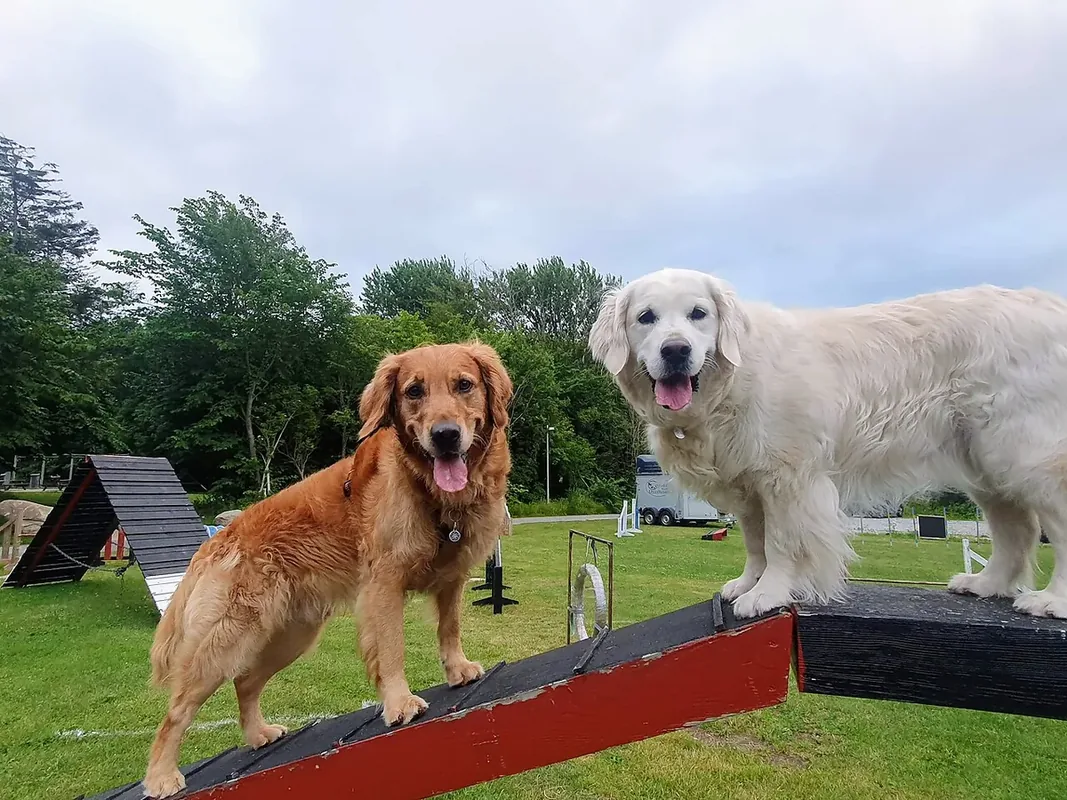
Editorial note: Prepared with AI assistance by Pet Living Magazine using the sources below. This article has not been reviewed by a veterinarian; individual care questions belong with your veterinary team. The photograph is representative editorial imagery, not a demonstration of every recommendation.
Prepared with AI assistance and source checks. General editorial information; no veterinarian-review claim. Report a correction.