A sitter can care confidently for a hamster, rabbit, guinea pig, or rat only when the instructions name the species and individual. “Feed the small pets” hides differences in food, companions, active hours, housing, and handling. Make a separate care sheet for each established group or animal, and review it with the sitter before you leave.
Put identity and normal routines first
List species, names, identifying features, veterinary clinic, emergency contact, and any prescribed treatment. Include the usual times the animal is active so a sitter does not repeatedly wake a nocturnal pet to check friendliness. Record normal feeding, drinking, movement, and toileting observations without presenting them as proof of health.
Use the species-specific guidance from your veterinarian and a reputable welfare organization. The RSPCA notes that small-pet species have different requirements. Do not allow one animal’s food or bedding to be substituted for another’s just because containers look similar. Label every supply with its intended animal or group.
Make feeding instructions measurable
Provide the established amount, timing, preparation, and cleaning routine. Show the sitter the actual scoop or scale used, and explain what is replenished freely under the care plan. Keep approved fresh food and any preparation instructions clear. Do not add unfamiliar treats as a way to make the sitter more popular.
Mark completed tasks in one dated record. A second visit should not repeat a meal because the food container seems full. If something unusual happens, describe it factually and follow the veterinary contact plan. An animal that is not eating should not be left until your return merely because travel updates are inconvenient.
Define handling and enclosure access
Demonstrate latches, secure transfer methods, and the areas used for supervised activity. A sitter need not attempt an unfamiliar handling exercise. Keep cats, dogs, and other potentially threatening animals away. List any task that requires help from an experienced caregiver rather than improvisation.
Check cleaning instructions, approved products, drying, and restoration of the enclosure layout. Photograph the working arrangement so hides, water, and access routes return to their correct places. For social animals, state the established grouping; do not invite the sitter to mix animals to simplify cleaning.
Rehearse a complete visit
Ask the sitter to find supplies, perform the routine, and explain whom they would call about a change. Put clear authority for veterinary care in the handoff. Confirm availability with the clinic where appropriate, especially for exotic species that may need specialist services.
Keep updates focused on useful observations rather than a stream of photographs. A concise daily record helps you and the sitter identify changes without disturbing the animal repeatedly. Good preparation protects the routine when you are unavailable and gives the caregiver permission to act on a concern instead of waiting for you to answer from another time zone.
Use a scenario rehearsal
Ask the sitter what they would do if the water container were empty unexpectedly, a food portion remained untouched, or a latch did not close. They should be able to find the written instructions, use the appropriate contact route, and describe the limits of their own experience. Clarify any response that relies on guessing or waiting until your next scheduled update.
Then let them complete a normal care visit while you observe. Include the tasks that sound obvious, such as restoring hides after cleaning and securing the enclosure after refreshing water. Those steps often expose small misunderstandings. Make corrections in the written sheet immediately and remove the obsolete version. Keep a backup contact who knows the species and setup, especially when you may be unreachable. The scenario exercise should make the sitter more prepared without asking them to diagnose illness. Its purpose is clear action: maintain the agreed routine, recognize a change, and contact an appropriate person when the usual instructions no longer cover the situation.
Keep these details together
- Identity
- Name the animal, product, or equipment precisely so another caregiver can find the correct record.
- Current instruction
- Keep the dated professional or manufacturer guidance available beside the working routine.
- Completed action
- Record what actually happened, including uncertainty, before handing care to the next person.
Connect this task to the wider care plan
For a hamster in the household, keep activity and care aligned with its active hours using Living With a Hamster’s Night Shift.
Turn the working arrangement into instructions another caregiver can follow with The Pet Sitter Handoff: What Someone Else Needs to Know.
If care needs additional coordination or professional support, build clear responsibilities with Build a Reliable Care Team for a Pet With Extra Needs.
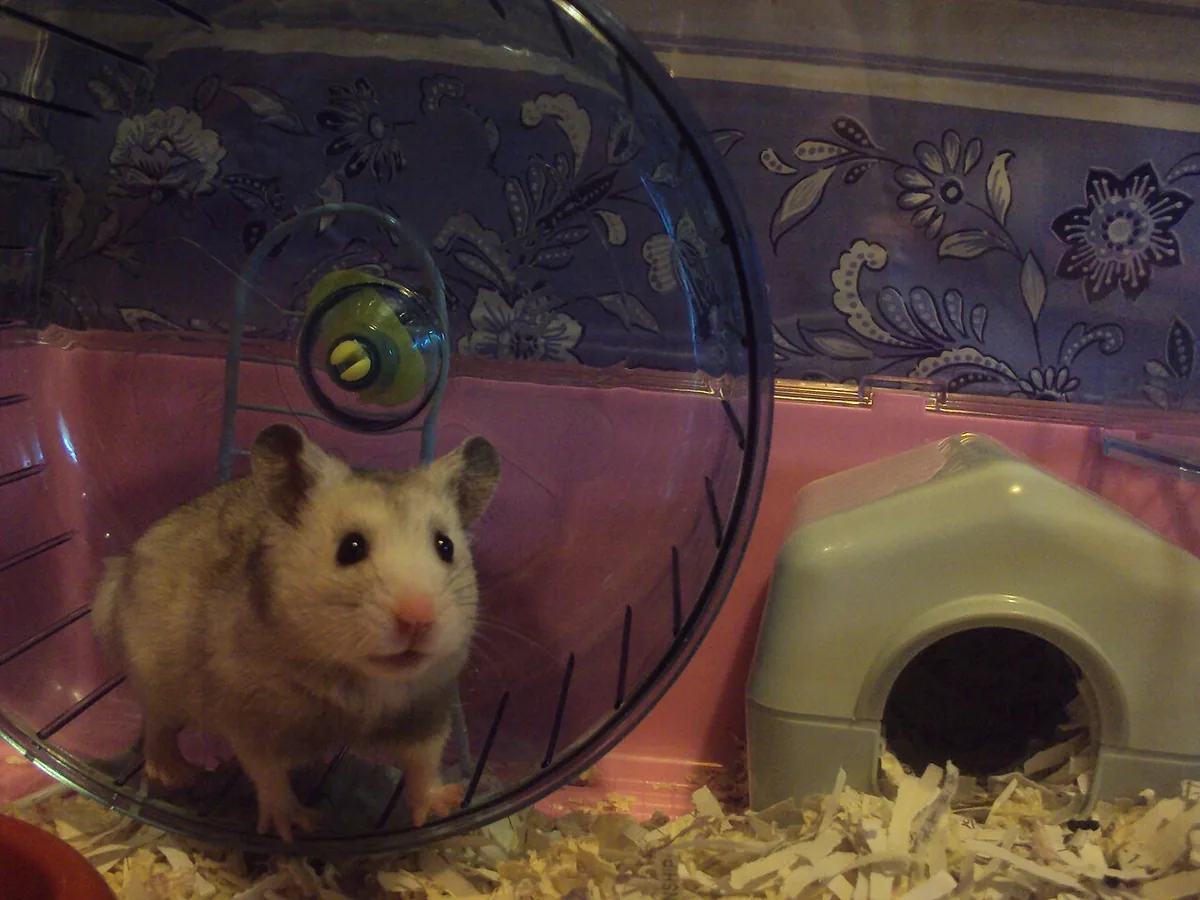
Editorial note: Prepared with AI assistance by Pet Living Magazine using the sources below. This article has not been reviewed by a veterinarian; individual care questions belong with your veterinary team. The photograph is representative editorial imagery, not a demonstration of every recommendation.
Prepared with AI assistance and source checks. General editorial information; no veterinarian-review claim. Report a correction.