A bird sitter needs more than the food bag and a cage key. They need to know which doors stay closed, which activities require supervision, which household products are excluded, and what normal behavior looks like for this individual bird. Write the handoff before travel and give the caregiver a chance to practice it while you are available.
Describe the bird before the tasks
List species, individual identification, established daily routine, and veterinary contact details. Include the bird’s usual ways of moving, eating, vocalizing, and resting without treating those observations as a medical guarantee. State any existing treatment exactly as prescribed and keep medication instructions separate from general care notes.
Tell the sitter which interactions are familiar and comfortable. A bird that steps onto one person’s hand may not do so for a stranger. The sitter should not force handling or improvise an exercise session. Ask your avian veterinarian about a manageable plan when a bird has special needs or difficulty with unfamiliar caregivers.
Put access rules beside the cage
Show every latch and demonstrate the room-safety check. Any planned out-of-cage activity requires a secure, suitable room and active supervision. The Merck Veterinary Manual identifies windows, fans, water, cords, and fumes among household hazards. Record the exact precautions used in your home rather than expecting the sitter to reconstruct them.
Provide a plan for unexpected visitors or maintenance work. If a door cannot remain secure during an activity, the activity should wait. Keep the bird’s equipment accessible without allowing other pets into the area. The handoff should state which tasks the sitter must not attempt alone.
Make feeding and cleaning precise
Give the established food plan, amount, timing, and preparation instructions approved for the bird. Label containers clearly and provide clean, appropriate utensils. List what gets cleaned, which method is used, and where the equipment belongs afterward. Do not invite the sitter to substitute a food or cleaning product because it seems similar.
CDC guidance recommends handwashing after handling birds and their environment. Make supplies and a suitable handwashing route easy to use. Keep bird equipment separate from human food preparation. Add a place to record completed tasks so a second caregiver can see what already happened.
Rehearse a normal visit
Watch the sitter perform the routine with you nearby. Let them find supplies, operate latches, and explain the emergency plan. Correct ambiguous instructions immediately. “Check everything” is less useful than a defined sequence with clear observations and a contact route.
Ask for factual updates rather than flattering reports. A change in appetite, movement, breathing, or behavior warrants veterinary advice according to the individual plan. The sitter should know when to call directly and what authority they have to obtain care. A good handoff makes safe decisions possible even when you are on an airplane and cannot answer promptly.
Let the sitter find every item
During rehearsal, avoid pointing immediately to each supply. Ask the sitter to locate the food, approved cleaning equipment, completion record, carrier, and emergency contact on their own. If something is hard to find, change its location or label. A handoff that works only when you stand beside it is not ready for an ordinary visit while you are away.
Ask the sitter to explain what they would do if a latch failed, a household worker arrived unexpectedly, or the bird behaved differently. Their answers can reveal an instruction that needs more detail. Keep the response within the sitter’s training and available professional support. Do not ask them to troubleshoot medical signs independently. Give them explicit authority and a contact route for obtaining veterinary help as appropriate. The rehearsal should finish with the sitter understanding both the routine and the limits. That combination is more valuable than confidence built on the assumption that nothing unusual will happen.
Keep these details together
- Identity
- Name the animal, product, or equipment precisely so another caregiver can find the correct record.
- Current instruction
- Keep the dated professional or manufacturer guidance available beside the working routine.
- Completed action
- Record what actually happened, including uncertainty, before handing care to the next person.
Connect this task to the wider care plan
Review the connected movement routes and resource access inside the cage with Rethink the Perches: Designing a Bird Cage Around Movement.
Turn the working arrangement into instructions another caregiver can follow with The Pet Sitter Handoff: What Someone Else Needs to Know.
Keep contacts, appropriate transport, and caregiver responsibilities available through Your Pet Emergency Care Plan: Contacts, Transport, and Records.
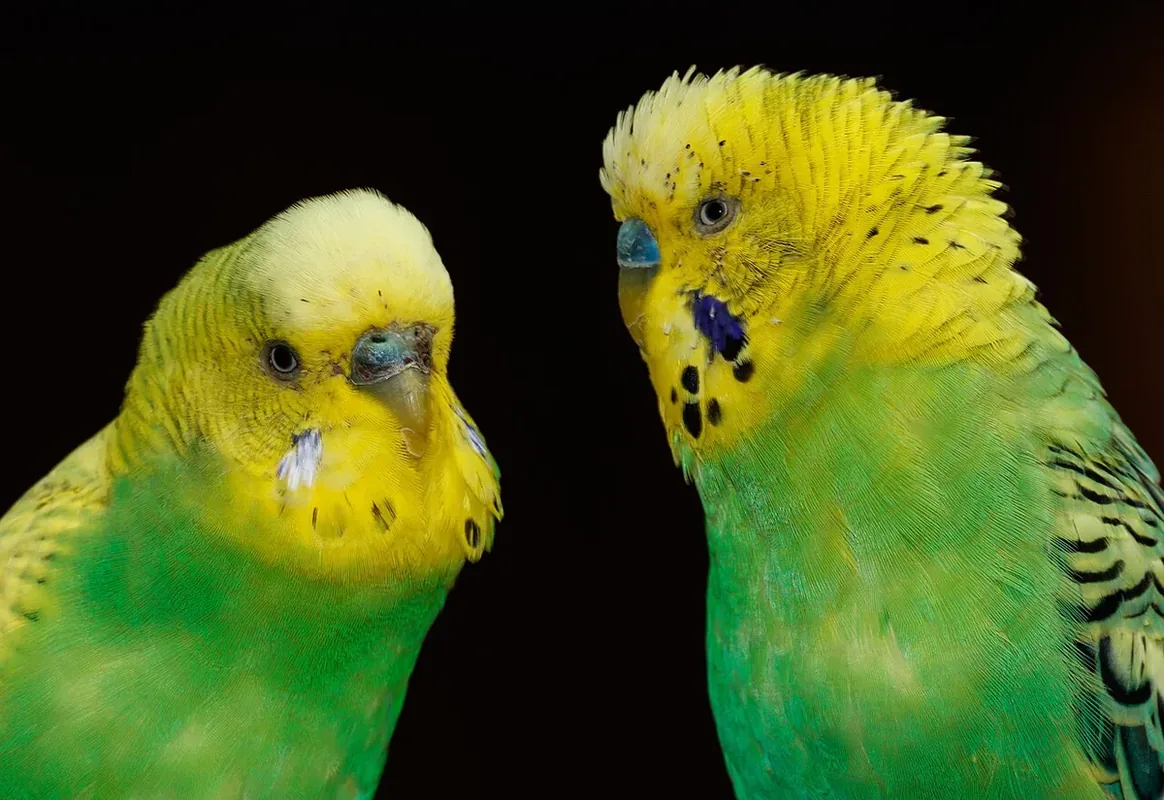
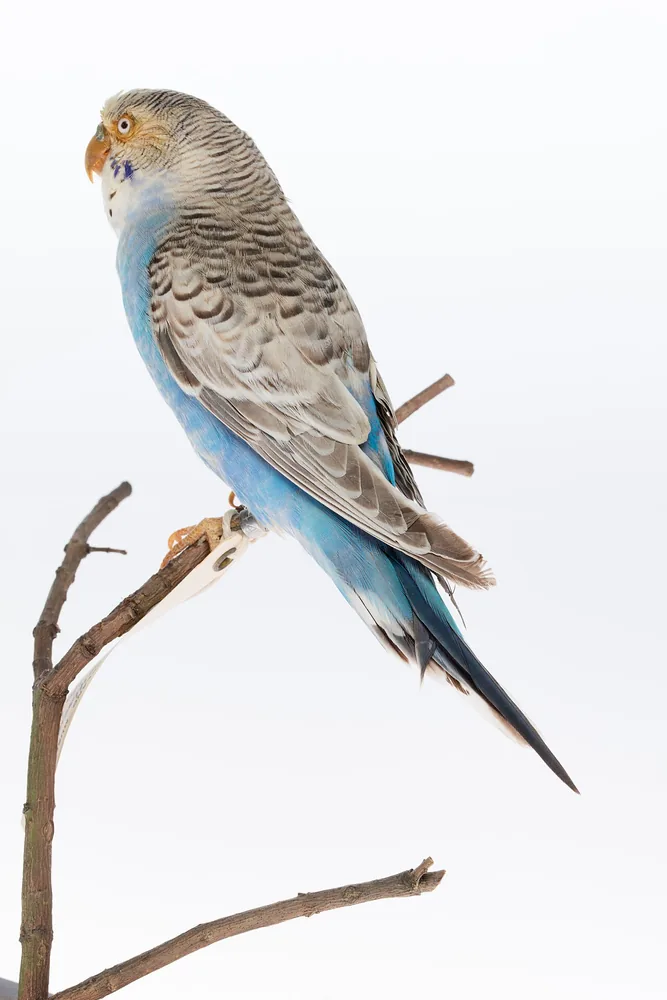
Editorial note: Prepared with AI assistance by Pet Living Magazine using the sources below. This article has not been reviewed by a veterinarian; individual care questions belong with your veterinary team. The photograph is representative editorial imagery, not a demonstration of every recommendation.
Prepared with AI assistance and source checks. General editorial information; no veterinarian-review claim. Report a correction.