The most useful cat grooming session may last less time than it takes to find the television remote. A few comfortable strokes today can build a better routine than a long struggle to finish the whole coat. Your cat’s ability to participate matters as much as the amount of hair left on the comb.
Let the first session answer a question
Begin when the cat is already settled, in a familiar space with room to move away. Present the brush, allow an investigation, and try a light pass over an area the cat normally enjoys having touched. Then pause. You are learning which approach is acceptable, not completing a makeover. Put the tool away while the experience is still calm.
Some cats prefer standing beside a person to sitting on a lap. Others tolerate a comb better than a brush. Make one change at a time so you can identify what helped. Keep handling gentle and avoid pinning the cat down to meet an arbitrary time target. If the cat leaves, that is a useful boundary to respect.
Look for tangles before they tighten
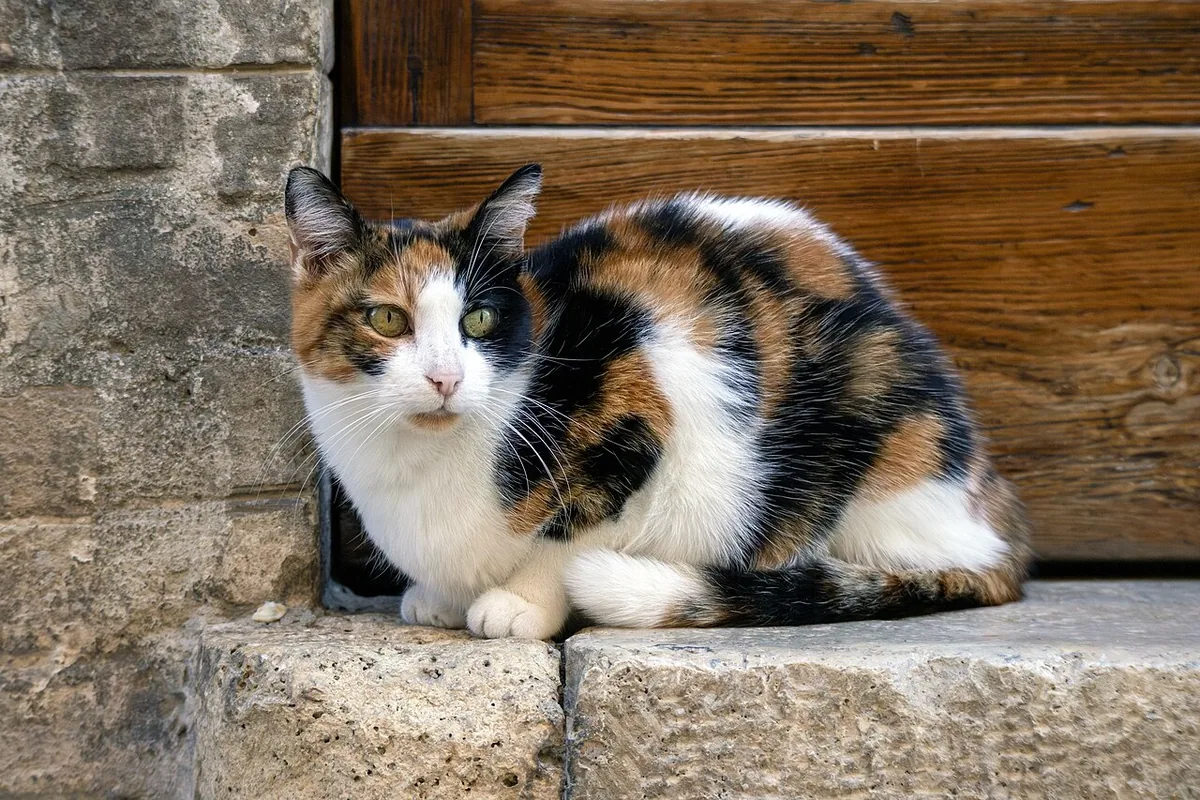
Long coats need particular attention where fur rubs or collects: behind the ears, around the chest, and along areas the cat cannot easily groom. Check visually during ordinary interaction. A comb that glides through the surface can still miss a dense patch underneath, so ask a feline-experienced groomer to show you how to check the coat safely.
Do not cut close-fitting mats with household scissors. Skin can be caught inside a fold that looks like fur. If the coat is severely tangled, the cat is uncomfortable, or handling creates a risk of injury, arrange professional help. The ASPCA advises professional grooming or veterinary assistance when grooming cannot be done safely.
Separate coat care from other tasks
A brush, paw inspection, and nail trim need not happen in one sitting. Splitting them into separate practice sessions gives each task a recognizable beginning and end. Ask your veterinary team to demonstrate nail care and appropriate supplies before attempting it. Let everyone in the home use the same approach so the cat does not have to relearn the rules with every person.
Baths are another distinct task. Cats that normally maintain a clean coat may not need a routine bath. A contaminant on the fur, persistent odor, or a sudden decline in grooming is a reason to ask for advice rather than choosing a stronger shampoo. Cat-specific product directions matter; another species’ grooming product is not an automatic substitute.
Notice the change behind the coat
Track whether your cat is grooming less, struggling to reach an area, or developing an unusually greasy or patchy coat. These observations can help a veterinarian decide what to examine. Avoid assuming a new difficulty is simply stubbornness or age. Comfortable coat care is a shared project: your observations, the cat’s signals, and professional help when the ordinary routine stops working.
Prepared with AI assistance and source checks. General editorial information; no veterinarian-review claim. Report a correction.