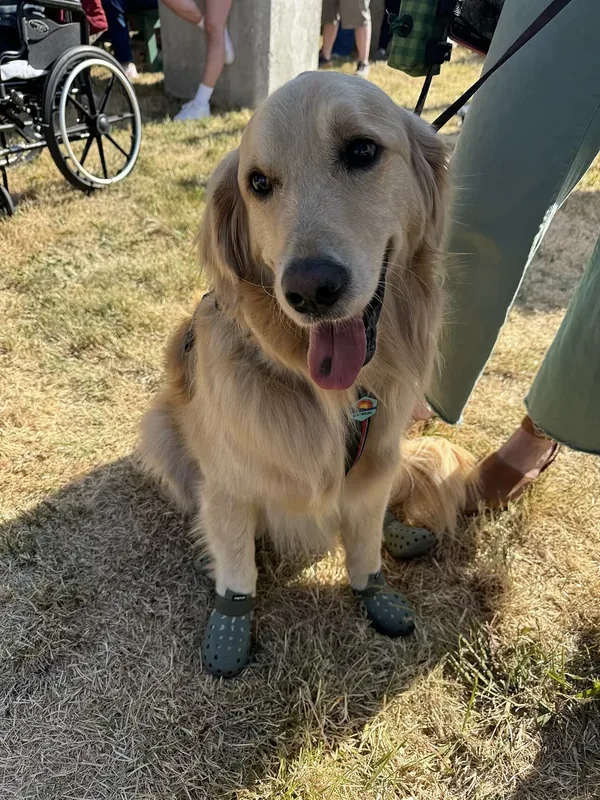
Paws spend the day meeting surfaces the rest of a pet’s body never touches. A quick, gentle check can become part of coming home, alongside putting away the leash and refreshing the water bowl. It should feel like a familiar pause, not a surprise inspection that your animal has to endure.
Teach the check before you need it
Practice when the pet is comfortable. Touch near a paw briefly, release, and reward calm participation. Build toward a light look at the pads without gripping or twisting the limb. If the animal pulls away, reduce the task. A dog or cat that cannot tolerate paw handling may need a professional demonstration and a slower training plan.
Choose a position that preserves balance. A senior dog may prefer lying down, while a cat may accept a short check on a familiar perch. Do not insist that the pet stand on three legs for your convenience. The setup should help the animal stay steady while you see what you need to see.
Compare with your own baseline
Learn how each paw normally looks. Check for a new sore area, swelling, damaged nail, stuck material, or repeated licking. Look between the toes without digging into tender skin. If there is bleeding, a foreign object embedded in the paw, significant pain, or difficulty bearing weight, seek veterinary advice promptly. Do not turn a home check into a home surgical project.
A photo can be useful if it is taken safely and clearly. Include the date and which paw is affected. The comparison matters more than an elaborate closeup: what changed, when did it appear, and does it affect walking? Those details help your veterinary team decide what needs attention.
Match the cleanup to the outing
Keep a soft cloth and plain water near the entry point for ordinary dirt. Avoid applying a human lotion, household cleaner, or unknown balm simply because it is available. Pets may lick anything placed on their feet. Ask your veterinarian which product, if any, is appropriate for the particular issue and species.
Check the route too. A recurring problem might begin at a rough step, damaged deck board, or debris beside the gate. Removing an avoidable hazard is more useful than repeatedly cleaning up its consequences. Treat footwear as equipment that requires fit and familiarization, rather than something every pet automatically needs.
Keep nail care a separate skill
Nail trimming deserves its own demonstration and practice routine. Ask where the safe trimming area is on your pet’s actual nails, especially if they are dark or unusually shaped. A groomer or veterinarian can help when growth, fear, or discomfort makes the job difficult. Do not rush a full set of nails because the paw check happened to go well.
The ASPCA’s dog and cat grooming resources describe routine paw and nail care. The practical habit is simple: make handling predictable, notice changes early, and know when the next useful step is professional help.
Prepared with AI assistance and source checks. General editorial information; no veterinarian-review claim. Report a correction.