Some cats walk toward a person and enjoy a brief touch; others want to sit nearby without being petted. Close company and physical contact are different choices. A thoughtful petting routine lets the cat approach, keeps the first interaction modest, and includes a pause so the person can notice whether the cat wants it to continue.
Settle before reaching
Sit quietly in a place where the cat can approach and leave. Avoid calling the cat into a narrow gap between your knees or cornering it on a high shelf. A hand held still at a comfortable distance gives the cat room to investigate. Do not thrust fingers into its face or reach across the head as a default greeting.
Use the cat’s familiar preferences as a starting point. A short touch around a location the cat normally welcomes is more informative than sweeping a hand along the whole body. The Feline Veterinary Medical Association offers caregiver resources on handling and positive reinforcement; ask your veterinary team to demonstrate a suitable approach when you are unsure.
Pause while the encounter is still easy
After a brief touch, stop your hand. Watch whether the cat stays, moves away, or actively seeks another interaction. The pause gives you information without requiring the cat to push past a moving hand. A cat that remains nearby may still prefer company without more stroking.
Avoid using one signal as a complete verdict. Tail movement, posture, and attention are part of a wider scene, and their meaning depends on context. If the cat withdraws, stiffens, turns sharply toward your hand, or otherwise seems uncomfortable, end the contact and allow space. Do not try to establish what the cat will tolerate by continuing.
Tell visitors what this cat prefers
Replace “she loves people” with practical instructions: let her approach, keep hands low, and stop after a short touch. Tell visitors that sitting beside the cat without petting is welcome. Children need adult supervision and a clear rule against lifting, hugging, chasing, or trapping the cat for a cuddle.
Give the cat a resting area that visitors will leave alone. Do not pick up a sleeping cat to introduce it to someone. An animal that has approached voluntarily should also be able to finish the encounter voluntarily. The household’s social expectations should not override that exit.
Notice a change without explaining it away
A cat that suddenly avoids touch may need a veterinary assessment, especially if the change occurs around a particular body area or comes with changes in movement, appetite, or grooming. Keep a factual note of what happened and when. Avoid deliberately repeating a painful-looking interaction for a video.
For normal daily company, keep the approach predictable and brief enough to remain comfortable. Some evenings the cat may choose a lap; on others it may choose the neighboring chair. Respecting both outcomes makes your presence easier to understand and gives the relationship room to develop without turning affection into a demand.
Give a visitor one clear instruction
Ask the visitor to sit quietly and let the cat decide whether to approach. If the cat comes near, the person can keep a hand still and wait. Contact remains optional. This simple instruction is easier to remember than a long explanation of feline signals, and it gives you room to observe the encounter without several people reaching at once.
Afterward, describe what actually happened: the cat sat nearby, investigated a hand, accepted a brief touch, or moved away. Each can be a manageable outcome. Do not tell the next visitor that the cat now enjoys all petting because one encounter went well. Keep the resting area protected and explain that nobody follows the cat there. If the visitor has difficulty respecting the instruction, end the interaction. Household expectations should adapt to the cat’s comfort and the supervision available. Warm company can develop through predictable, undemanding encounters without turning touch into a requirement.
Connect this task to the wider care plan
Observe what the cat chooses in suitable play rather than assuming a preference with Find Your Cat’s Play Style With a Seven-Day Notebook.
For the wider household arrangement around people arriving and leaving, use Hosting Guests When Your Pet Needs Space.
Apply the same attention to comfort during routine coat care by reading Cat Grooming Without the Wrestling Match.
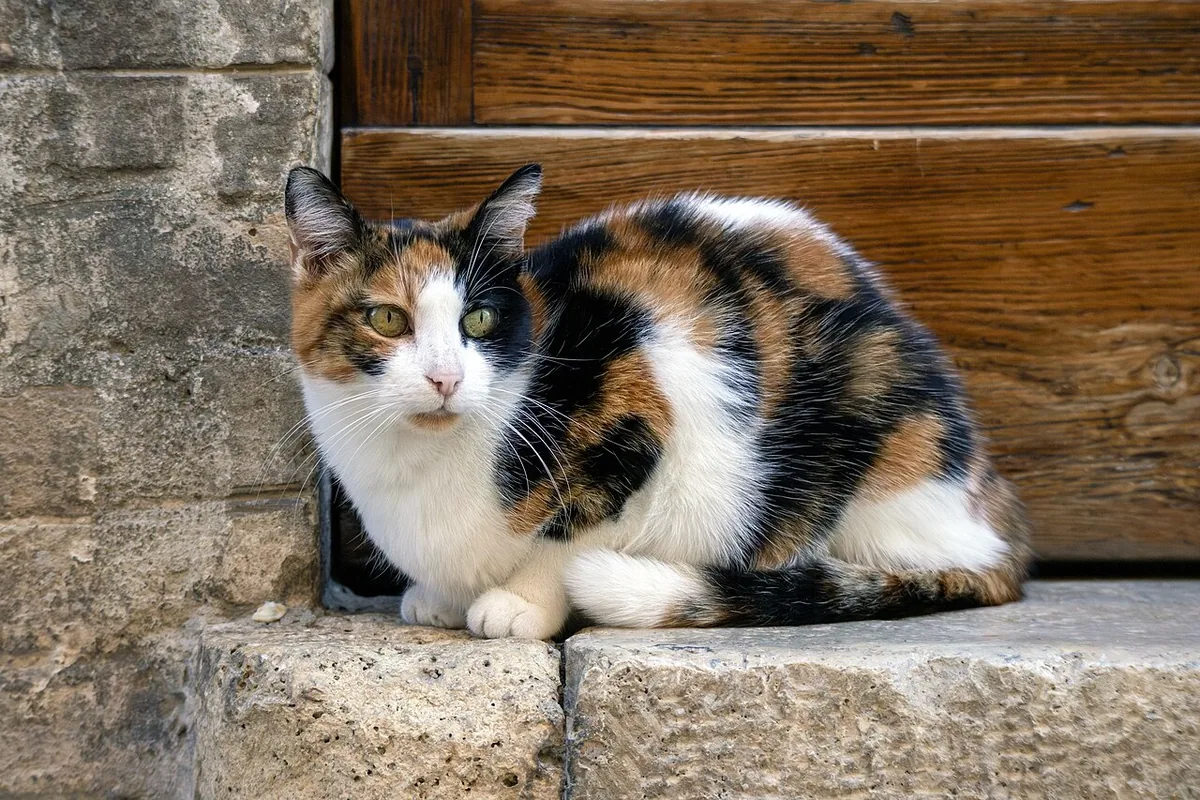
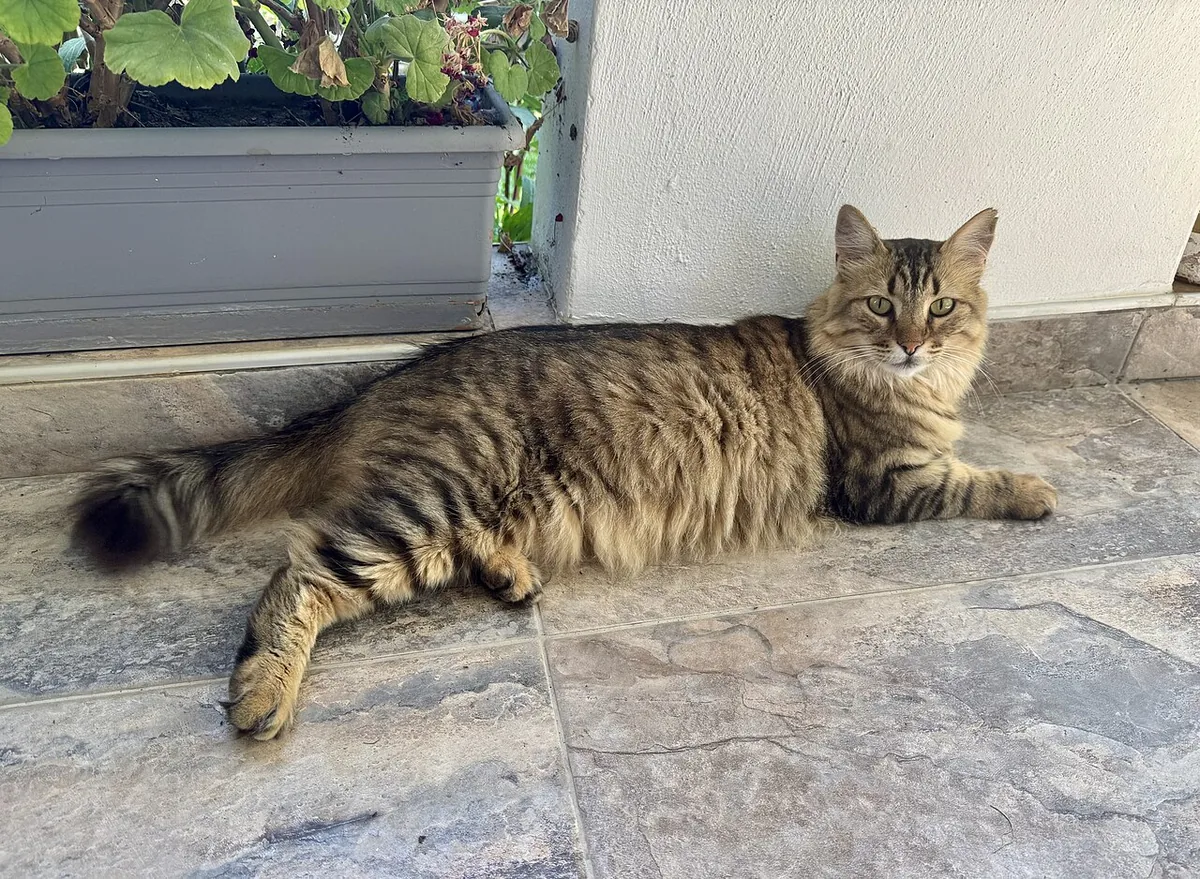
Editorial note: Prepared with AI assistance by Pet Living Magazine using the sources below. This article has not been reviewed by a veterinarian; individual care questions belong with your veterinary team. The photograph is representative editorial imagery, not a demonstration of every recommendation.
Prepared with AI assistance and source checks. General editorial information; no veterinarian-review claim. Report a correction.