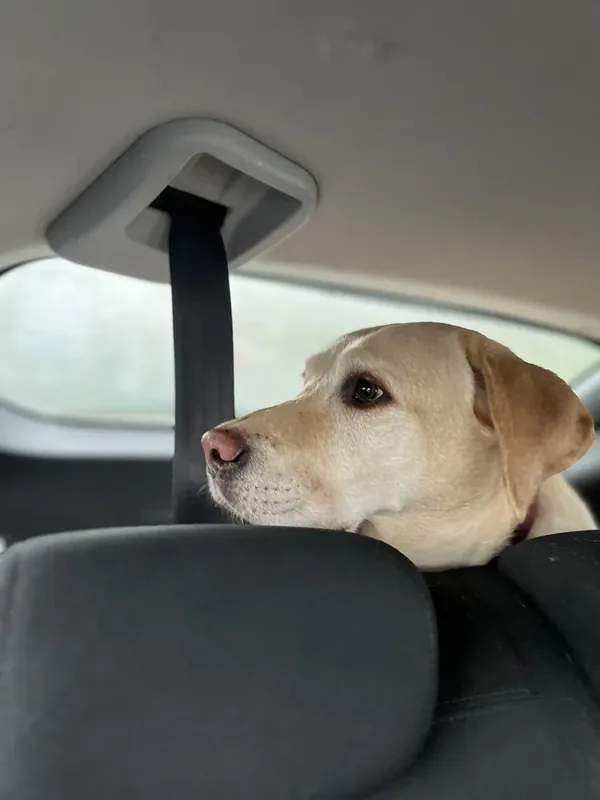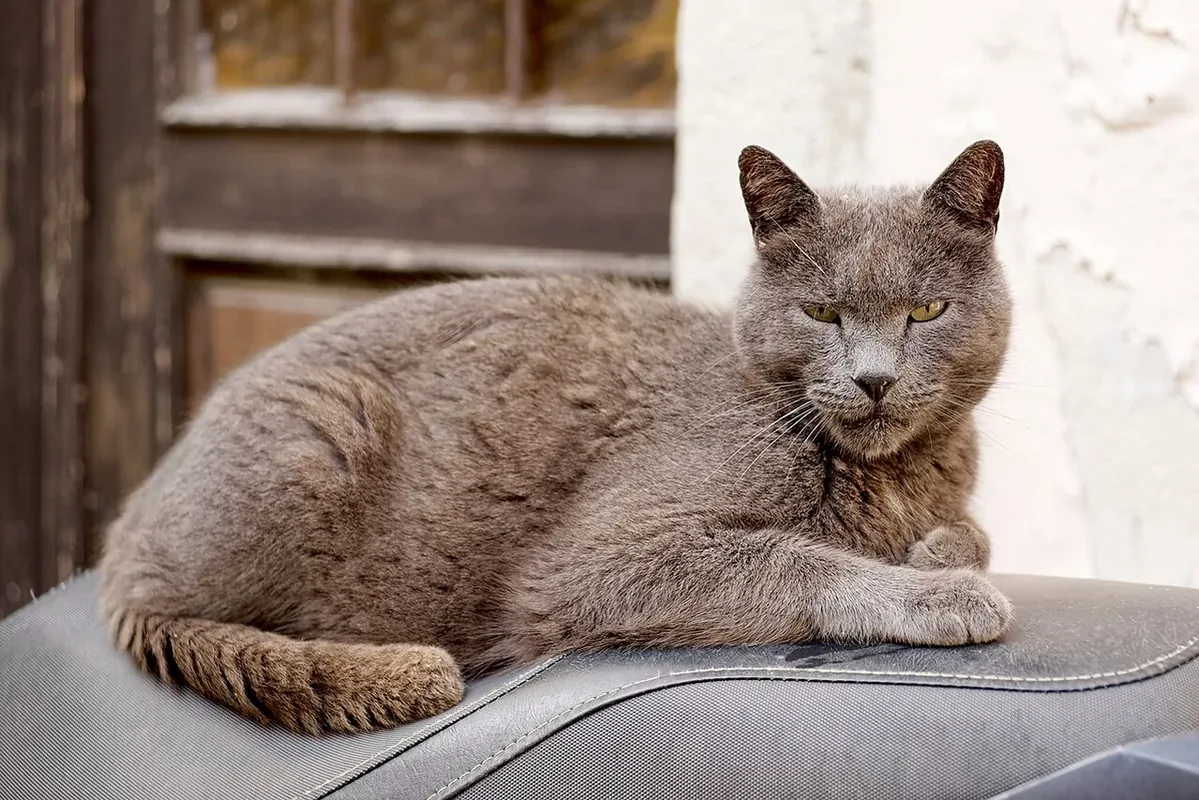
For many cats, a carrier appears only when something unfamiliar is about to happen. Travel preparation can change that pattern by making the equipment part of ordinary home life. Start well ahead of departure and treat comfort as a process rather than a trick to accomplish on the morning of a trip.
Check the journey first
Confirm that taking the cat is appropriate and that the carrier meets the transport requirements. Discuss the plan with your veterinary team, especially if the cat has a history of fear, motion-related problems, or a medical condition. Ask for an individual care plan rather than using another animal’s medication or a product promoted as universally calming.
The AVMA travel resource supports advance preparation. Your training plan should happen alongside the practical travel checks, not after a reservation has removed every alternative.
Make the carrier a normal object
Place it open in a comfortable location with suitable familiar bedding. Keep it stable and accessible. Let the cat investigate without being pushed inside. Reward voluntary approaches in a way the cat enjoys, and allow it to leave. The first useful result may be simply resting near the carrier without concern.
Check where the doors and latches move so you are not introducing a sudden noise or pinch point later. Practice operating them while the cat is elsewhere. Keep the equipment clean without removing every familiar feature each day. A predictable resting option can become more useful than an object repeatedly brought out and hidden.
Change one part at a time
When entry is comfortable, practice a brief closure, then reopen before the cat becomes distressed. Build gradually toward lifting and carrying. Keep the carrier level and support it as instructed. Short sessions give you a chance to learn whether the difficult part is the door, motion, sound, or departure from the room.
Do not use food withholding to force participation. Watch whether the cat is eating and behaving normally outside practice. If training becomes a recurring struggle, ask your veterinary team or a qualified behavior professional to help adjust it. The animal’s response tells you more than a rigid schedule does.
Rehearse the full handoff
Test how the carrier is secured in the vehicle and how you will move it through doors. Keep it closed in unsecured locations. Plan where paperwork, supplies, and cleanup materials will go so you do not need to open the carrier while searching for a document.
AAHA’s veterinary-visit preparation guidance also emphasizes comfortable practice. Apply the same idea to travel: create a familiar sequence, leave enough time, and preserve options if the cat’s needs make the original journey unsuitable.
Keep a note of the last comfortable practice step. This helps another household member continue without skipping ahead to a harder task.
Prepared with AI assistance and source checks. General editorial information; no veterinarian-review claim. Report a correction.