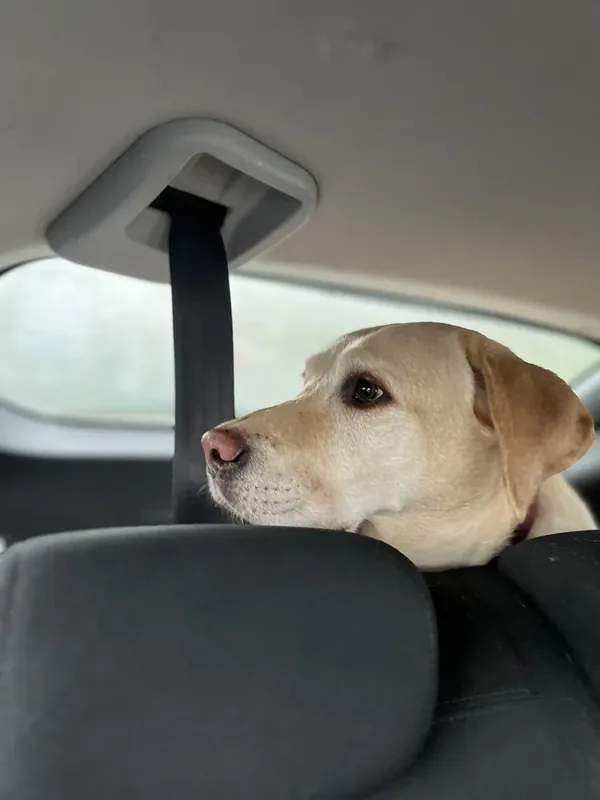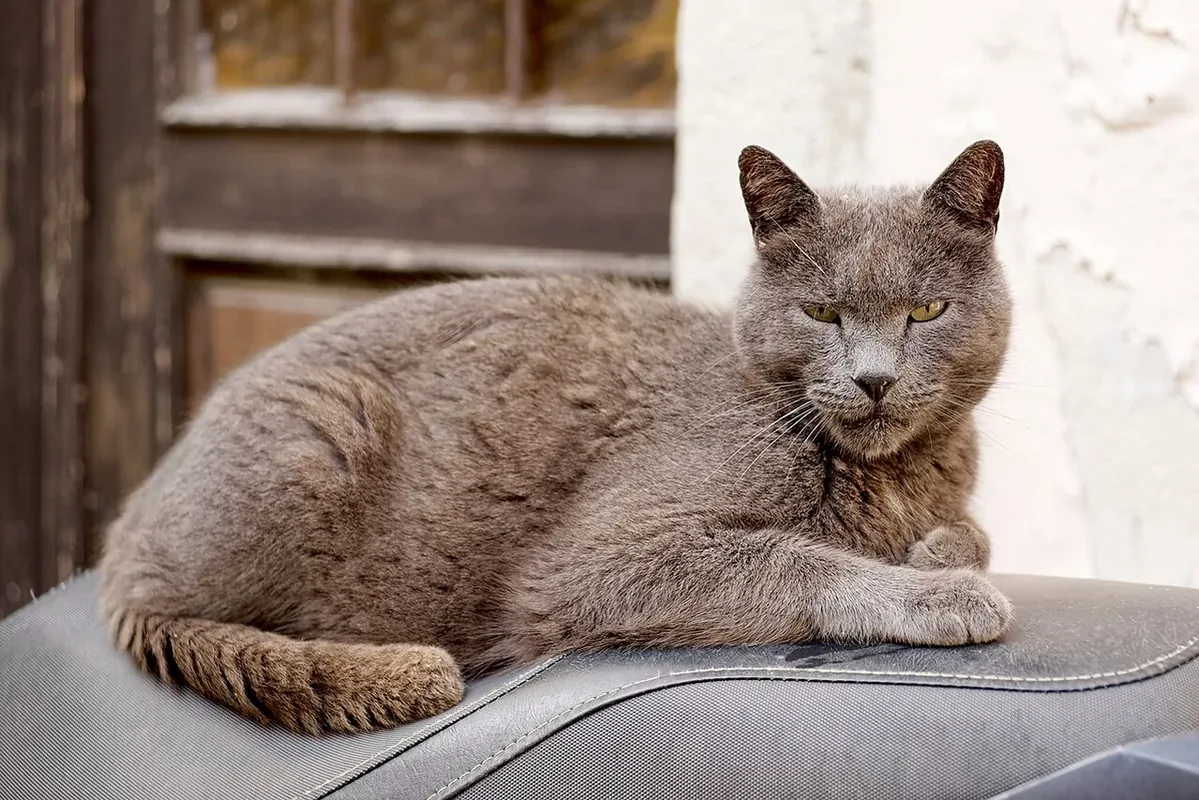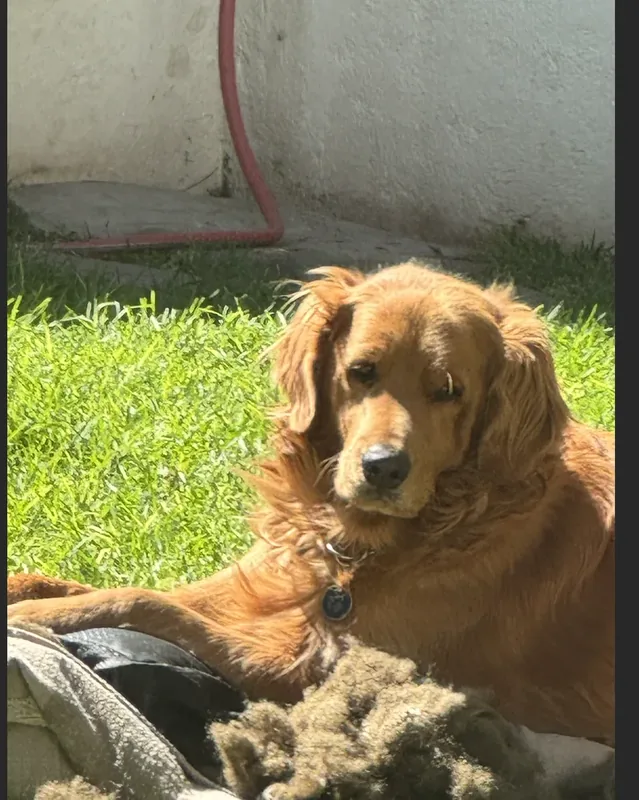
A hotel search filter can identify possibilities, but it cannot answer every question about your animal’s stay. Pet friendly may describe a limited policy with fees, size rules, or restrictions on leaving an animal in the room. Contact the actual property before paying for a booking you cannot change.
Describe the animals and dates
Give the property the species, number, size, and any relevant practical needs. Confirm which room types permit pets and whether your intended dates have different rules. Ask for the current policy in writing or a link to the official version. A chain’s general policy may not settle the details of an individual location.
Ask about the complete cost: per stay or per night charges, refundable deposits, cleaning conditions, and any limit on the number of animals. Keep the answer beside the reservation. Do not assume the fee shown by a third-party search includes every charge at the property.
Ask about the day, not only the night
Can the animal be left in the room? If so, under what conditions? Are there restricted areas, housekeeping arrangements, or noise policies you need to plan around? These answers affect restaurants, sightseeing, and work meetings as much as the room itself.
Arrange appropriate care for activities where your pet cannot join you. Do not use a parked vehicle as a substitute. If the itinerary only works by breaking the property’s rules, choose another itinerary or a dependable home-care arrangement.
Evaluate access and surroundings
Ask about elevators, stair access, nearby permitted bathroom areas, and the route from parking to the room. A senior dog may need an easier path, while a frightened animal may benefit from fewer busy transitions. For a cat, plan how the carrier will stay securely closed through check-in and unloading.
When you arrive, inspect the room before releasing the animal. Check windows, doors, gaps, accessible waste, and unfamiliar items. Place familiar bedding and essentials in a manageable area. A room designed for human convenience is not automatically ready for an unsupervised pet.
Prepare the travel fallback
Keep veterinary contacts and records accessible, and know what you will do if the room or the animal’s response makes the stay unsuitable. The AVMA recommends preparing emergency information for travel. Add the lodging contact and current reservation details to that folder.
At checkout, follow the property’s care and cleanup requirements and report any issue honestly. Keep notes about what worked for the pet, including the route, room arrangement, and noise. A good hotel stay depends on a verified match between policy, environment, and your animal’s needs—not just a reassuring badge beside the room photograph.
Write down the name or role of the person confirming the policy and the date of the conversation. That context makes a later clarification easier.
Prepared with AI assistance and source checks. General editorial information; no veterinarian-review claim. Report a correction.