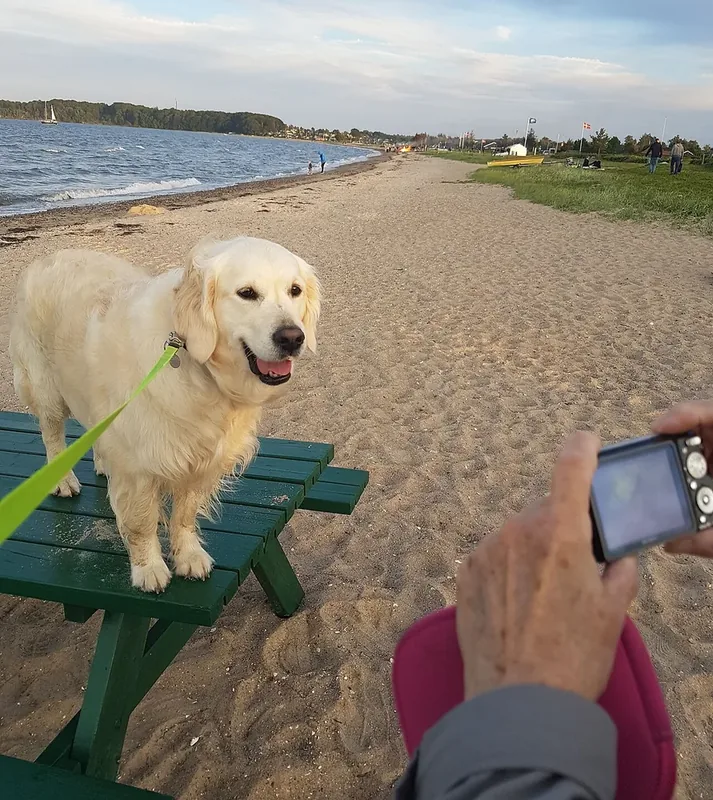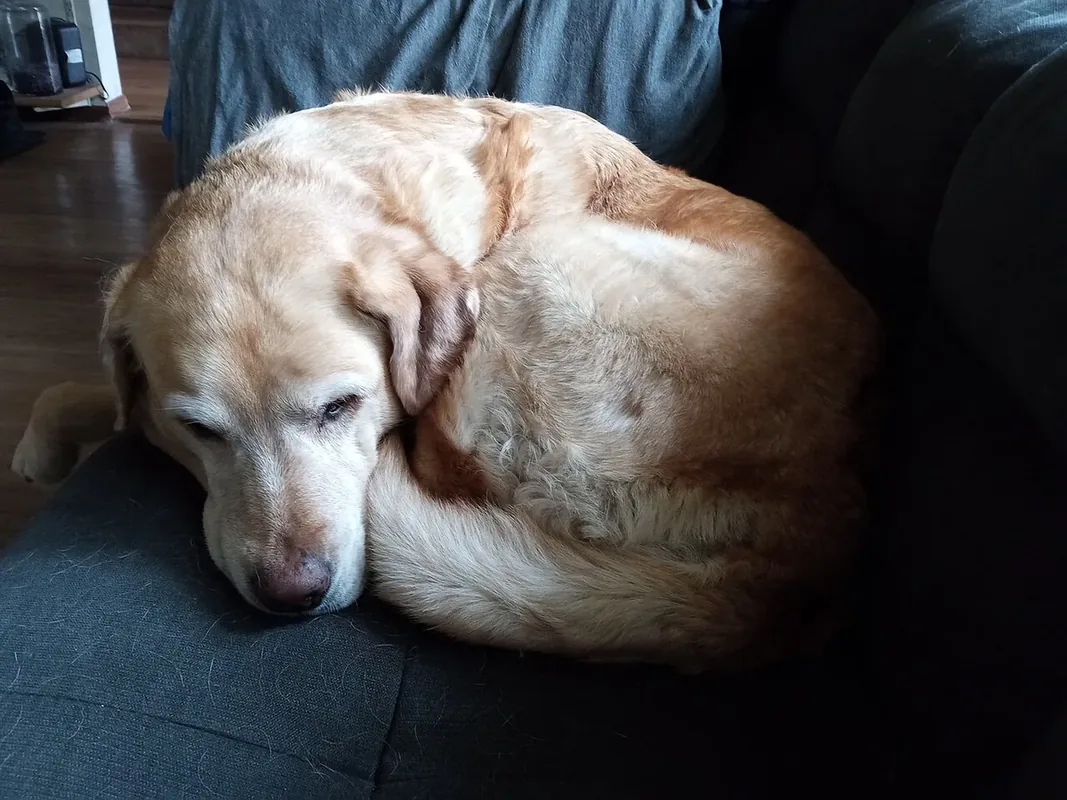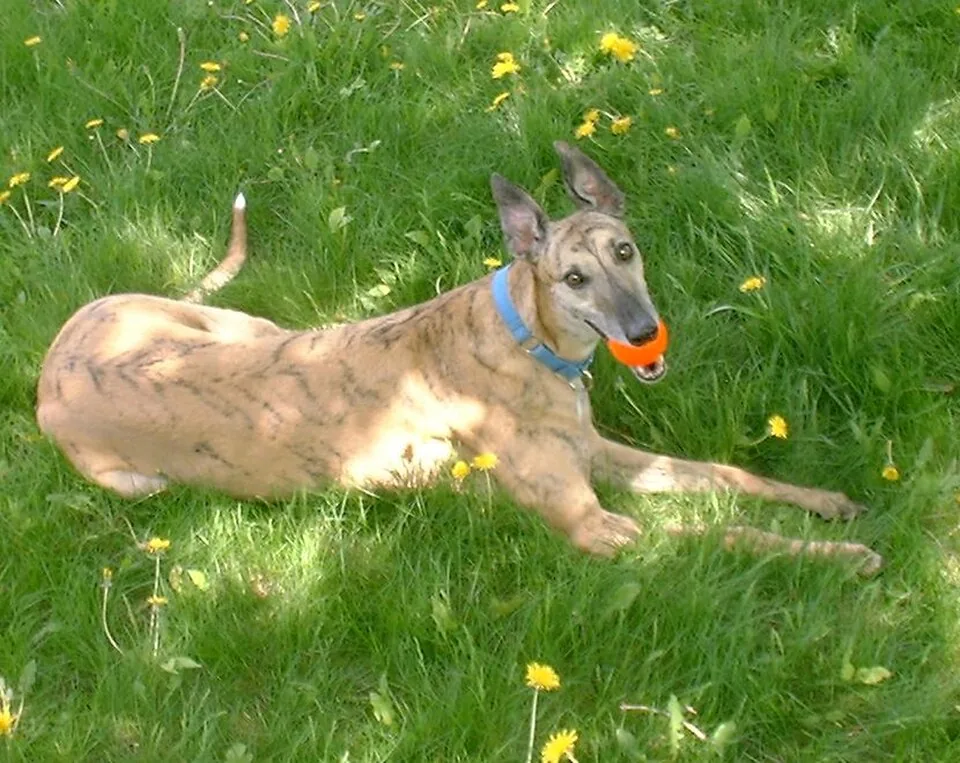
A Greyhound stretched across a sofa can make an active household reconsider its assumptions. Rest and movement both belong in the picture. Planning a home for this breed means giving the dog comfortable places to withdraw and carefully chosen opportunities to explore and play.
Start with the practical space
The American Kennel Club notes the breed’s capacity for speed and pursuit, and recommends securely fenced areas for off-leash running. A quiet dog indoors still needs appropriate exercise; a friendly dog is not automatically reliable around fast-moving animals. Ask the organization, breeder, or previous keeper about the individual dog’s history rather than extrapolating from the breed.
Walk through the home at dog level. Is there a resting place outside the busiest traffic lane? Can the dog move between rooms without negotiating slippery corners or piles of bags? A small arrangement change can be more useful than another decorative bed. Choose washable surfaces and a location you can keep comfortably available.
Evaluate the outing before the dog does
A fenced exercise space needs an actual inspection. Check gates, gaps, latch operation, and what happens when another person enters. “Usually closed” is not a dependable boundary. Do not rely on a breed’s calm appearance to compensate for a questionable perimeter.
Choose everyday walking routes with space to move away from distractions. Keep your dog on appropriate equipment and a leash outside secure settings. A sniffing route, a little reward-based practice, and quiet company can add variety without assuming every outing must involve speed. Ask your veterinarian about the activity level appropriate to your dog, especially after injury or a change in fitness.
Build a return-home routine
Pick a simple sequence that any household member can follow: come inside, make water available, remove outdoor equipment when appropriate, and allow the dog to rest. Put the resting area somewhere a visitor will not accidentally corner the dog. Supervise interactions with children and other animals, and provide separation when you cannot supervise.
If the dog prefers a different resting spot, look at the location before deciding the bed is wrong. A place beside a noisy appliance may be less appealing than a plain cushion in a quiet corner. Keep more than one comfortable option when space allows, and observe rather than repeatedly moving a sleeping dog.
Let the individual story lead
Write a brief household profile: favored routes, suitable play spaces, preferred resting locations, and situations that need distance. Include precise details such as “use the side gate and secure the latch” rather than “be careful outside.”
This profile should change as you learn. A dog’s behavior during the first week does not describe every future situation. Give unfamiliar activities time, keep management dependable, and treat new reluctance or discomfort as something to discuss with your veterinary team.
Editorial note: Prepared with AI assistance by Pet Living Magazine using the sources below. This article has not been reviewed by a veterinarian; individual care questions belong with your veterinary team.
Prepared with AI assistance and source checks. General editorial information; no veterinarian-review claim. Report a correction.