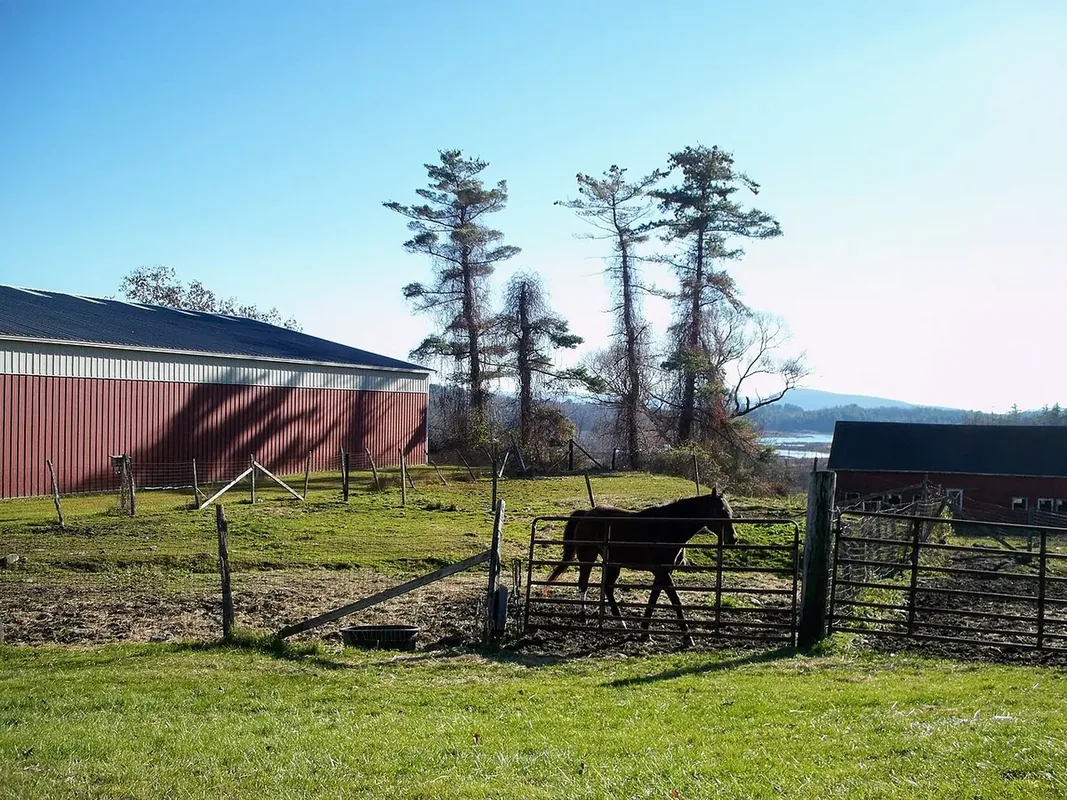
A run-in shelter looks reassuring from the driveway, but its usefulness depends on conditions where the horses stand. Wind direction, footing, drainage, space, and group relationships can change how it works. Inspect before winter weather becomes difficult, and revisit the arrangement after storms rather than assuming the building’s existence settles the question.
Stand inside and look outward
Assess the entry, prevailing weather, overhead condition, sharp edges, and the route to water and feeding areas. Check the floor or ground for wet patches and uneven footing. Ask a qualified building or farm professional about structural concerns. Do not inspect unstable roofs or electrical components yourself simply to complete the checklist.
University of Minnesota Extension recommends access to shelter from wind, sleet, and storms. Apply that principle to the actual site. A shelter whose opening faces the worst weather or whose entrance remains muddy may need professional changes. Suitable space also depends on the animals and their ability to use it together.
Observe who can enter
Watch the group at an ordinary time and note whether every horse can access the shelter and leave without being cornered. A dominant animal standing near the entrance may affect another horse’s use. Seek knowledgeable guidance about group management and suitable layouts. Do not force unfamiliar horses into a confined space to test compatibility.
Keep emergency exits and handling routes practical. The shelter should not become a storage area for equipment that narrows access or creates injury points. Remove unsuitable objects while horses are securely elsewhere. Review any new feeder or divider as part of the whole space.
Connect shelter to the individual care plan
Ask your veterinarian about horses with medical, age, body-condition, or coat-related needs. General winter guidance does not determine whether a particular horse needs a blanket, dietary change, or different housing. Keep any individual instructions clear for every caregiver. Do not infer comfort from one brief observation.
If blankets are part of a professional care plan, include inspection, fit, cleaning, and monitoring beneath them. A blanket does not remove the need for suitable shelter or ordinary health checks. Obtain help with uncertain fit rather than using a product solely because its temperature chart resembles the forecast.
Make post-storm checks a named task
Inspect access, drainage, damaged fencing, loose materials, and water provision after significant weather. Assign responsibility rather than assuming the first person at the barn will notice everything. Keep repair contacts and backup housing arrangements accessible before they are needed.
Record concerning changes in movement, feeding, drinking, or behavior and contact your veterinarian appropriately. The winter check is successful when the shelter remains usable for the horses you have, through the weather your property experiences, with a plan caregivers can follow even when the original designer is away.
Give the storm check a map
Mark the shelter entrance, drainage route, water access, gates, and safe inspection points on a simple property sketch. Add the responsible caregiver and relevant repair contacts. After a storm, the sketch guides a consistent check rather than a casual glance from the barn door. Nobody should enter an unsafe structure or climb to inspect roof damage without appropriate professional help.
Use a dated photograph to record a problem, such as water collecting near an entrance or displaced material, while keeping animals and people away as needed. Ask a suitable professional to assess the repair. Then update the plan once the work is complete. A winter shelter review should connect the building to the rest of the care system: horses need workable routes to resources and caregivers need safe access to inspect them. The map helps a substitute barn worker understand those relationships, particularly when snow, darkness, or changed fencing makes the ordinary layout harder to recognize.
Recheck after a storage change
Inspect the shelter when equipment or feed storage moves nearby, even if the building itself remains the same. A newly parked trailer or stacked material can narrow entry, alter drainage, or create an injury point. Keep the horse route and caregiver access clear. Ask an appropriate professional about changes that affect structure or site safety, and photograph the approved working arrangement for the barn team.
Connect this task to the wider care plan
Give another barn caregiver a usable record of ordinary tasks with A Daily Horse-Care Log That Someone Else Can Use.
Preserve useful changes over time without assigning a diagnosis by using A Senior Pet Journal That Helps Your Veterinary Team.
Keep contacts, appropriate transport, and caregiver responsibilities available through Your Pet Emergency Care Plan: Contacts, Transport, and Records.
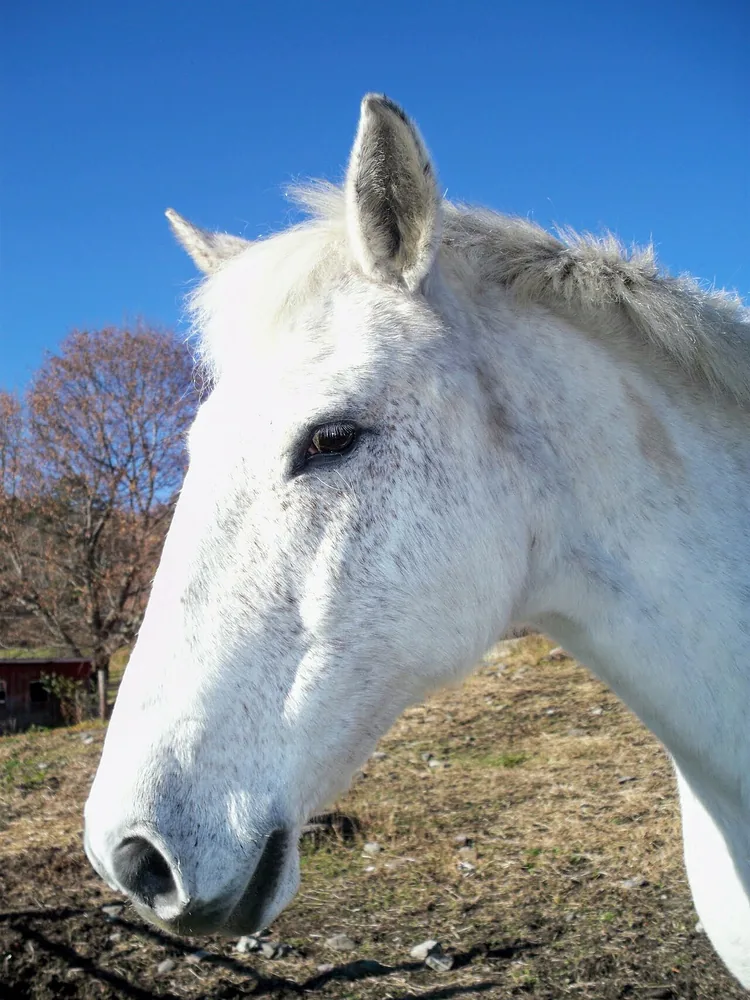
Editorial note: Prepared with AI assistance by Pet Living Magazine using the sources below. This article has not been reviewed by a veterinarian; individual care questions belong with your veterinary team. The photograph is representative editorial imagery, not a demonstration of every recommendation.
Prepared with AI assistance and source checks. General editorial information; no veterinarian-review claim. Report a correction.