A rat habitat can contain several levels without offering a sensible route between them. Look at the landing as well as the climb. Stable access, comfortable resting areas, and protection from awkward falls matter more than filling every inch with ropes. Plan the arrangement for the rats’ ages, health, and established relationships, then observe what they actually use.
Sketch the usable paths
Draw platforms, hammocks, ladders, and the routes to food, water, and sleeping areas. Note wide drops and points where a rat must jump to reach an essential resource. Ask your veterinarian about suitable adjustments for an older rat or one with limited mobility. Do not make difficult climbing the price of reaching water.
The RSPCA’s rat-environment guidance emphasizes choice and control in the habitat. Apply that idea by offering workable routes and resting options rather than a single complicated crossing. Keep solid, appropriate surfaces available. Avoid exposed mesh walking surfaces or arrangements where a foot could become trapped.
Check every attachment
Inspect clips, shelf fixings, fabric loops, and seams while the rats are safely elsewhere. A hammock can change as material is chewed or washed. Follow the equipment’s intended use, replace damaged pieces, and avoid repairs that introduce sharp wire or unknown adhesives. Stable installation is part of the activity.
Choose spacing that fits the individuals. A young rat’s agility does not guarantee the same arrangement will remain suitable as the group ages. Leave enough clear room to inspect and clean. A dense cage may hide a loose attachment until an animal uses it.
Add one change at a time
Keep familiar resting and feeding access while introducing a new route. Observe without lifting rats repeatedly onto the new item. They may investigate at different times, and a social group may use the space unevenly. Seek advice if one rat blocks another or an animal loses access to essential resources.
Use clean, appropriate enrichment within the established care plan. Avoid stacking objects into tall, unstable towers simply to increase height. A useful route connects comfortable places and offers choice; it does not need to resemble an obstacle competition.
Let cleaning test the design
After each cleaning, check that every level is secure and the previous route remains intact. Photograph the working layout so another caregiver can rebuild it accurately. Keep a note of components that require especially careful fastening. The safest arrangement is one that survives ordinary maintenance without relying on memory.
Watch for changes in climbing, gait, grooming, or willingness to move and bring concerns to your veterinarian. Do not explain every missed step as clumsiness. A thoughtful rat habitat adapts to the animals living in it and gives you enough visibility to notice when an adjustment or professional assessment is needed.
Plan for one component being unavailable
Imagine a hammock needs washing or a platform must be replaced. Can every rat still reach water, food, and a suitable resting area without a difficult jump? Use that question to identify routes that depend on one removable item. Arrange appropriate alternatives under the individual care plan before taking the component out.
Keep a reference photograph and label fixings where that helps a caregiver restore the design. During cleaning, inspect each attachment before reinstalling it rather than assuming it remains sound because it was secure last week. Observe the group afterward and preserve access for less mobile animals. A maintenance-ready habitat is easier to keep stable over time. It also makes travel handoffs clearer: the sitter knows which item is absent, which route replaces it, and which changes they should not improvise. The goal is continuity through ordinary care, with enough space and visibility that damage or a change in the rats’ abilities can be noticed promptly.
When the group’s needs change
Revisit the climbing layout after a health change or a new veterinary recommendation. Keep the individual animal’s access to food, water, and refuge as the first priority. An attractive high-level arrangement may need simpler routes. Save a dated photograph of the revised setup so a caregiver does not rebuild the earlier version during cleaning, and ask for professional help if you cannot provide suitable access safely.
Connect this task to the wider care plan
Bring factual observations and the relevant routine to a clinical conversation with Bring the Story: Build a Useful History for Your Next Vet Visit.
For an animal whose mobility or access needs are changing, adapt the surrounding routes with Make a Senior Pet's Home Easier to Navigate.
Turn the working arrangement into instructions another caregiver can follow with The Pet Sitter Handoff: What Someone Else Needs to Know.
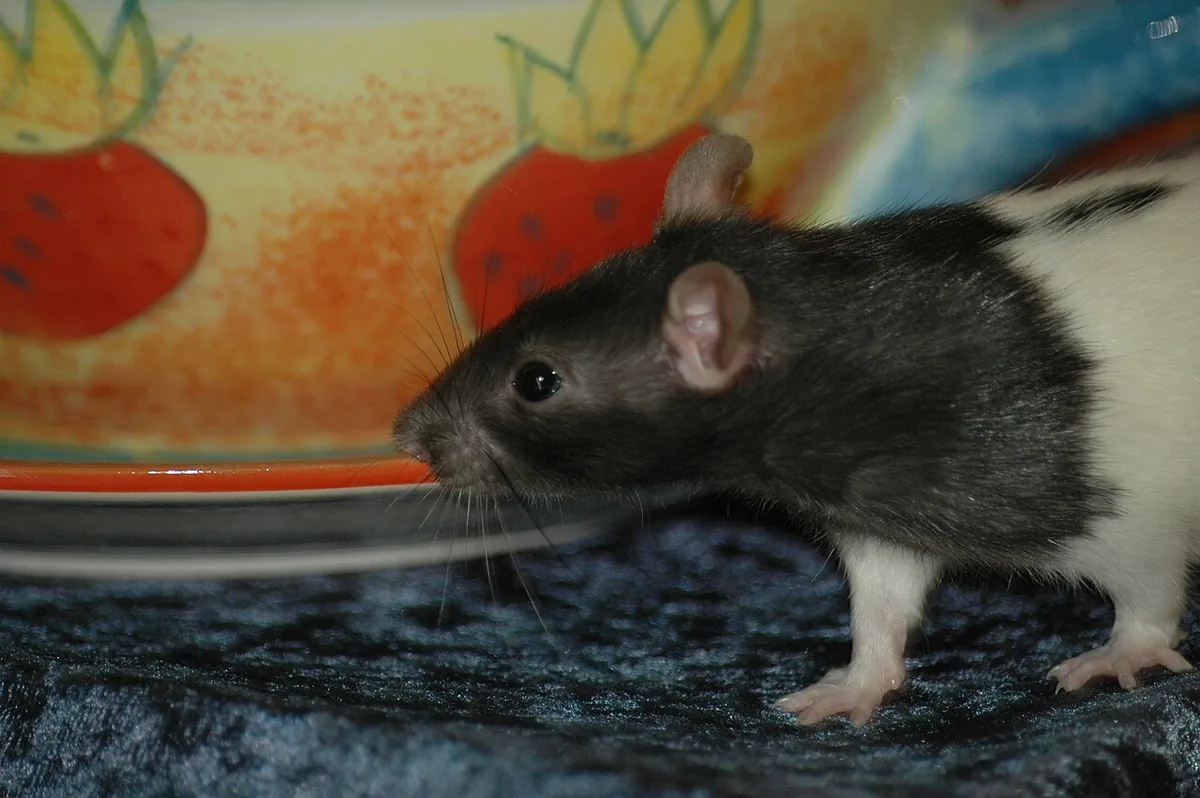
Editorial note: Prepared with AI assistance by Pet Living Magazine using the sources below. This article has not been reviewed by a veterinarian; individual care questions belong with your veterinary team. The photograph is representative editorial imagery, not a demonstration of every recommendation.
Prepared with AI assistance and source checks. General editorial information; no veterinarian-review claim. Report a correction.