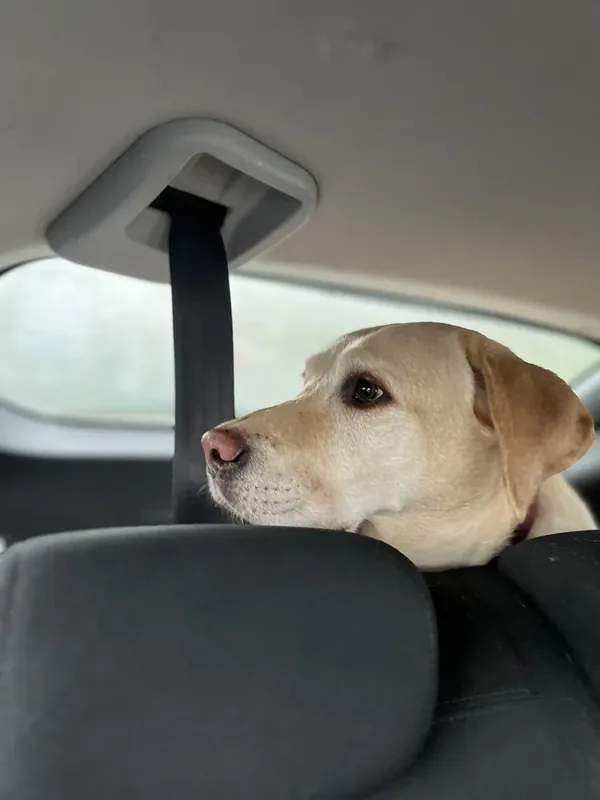
A pet travel folder is a practical answer to paperwork scattered across email, a clinic portal, and a booking app. It should make the current requirements and relevant records easy to find. Begin early, especially when crossing borders, and check official sources for the animal, origin, destination, and route.
Separate care records from entry documents
Ordinary veterinary records are useful, but they are not automatically the certificate or form a destination requires. Ask which document must be issued, by whom, and within which time window. Do not assume that a recent examination satisfies a requirement written for a specific travel purpose.
USDA APHIS advises contacting a USDA-accredited veterinarian early for international travel. Its resource also identifies CDC as the primary authority for dog entry into the United States. Requirements can change, so use the current official pages and follow the directions for your exact journey.
Make a requirements sheet
Write the route, species, dates, operating transport provider, and official source for each requirement. Record when you checked it and who answered any question. If a connection or destination changes, review the requirements again instead of copying the old checklist unchanged.
Keep deadlines visible. A document issued too early or a task started too late can disrupt the trip. Ask the veterinary team to explain the sequence and build room for processing or corrections. Do not schedule around a hopeful interpretation of an unclear rule.
Keep the animal’s identity consistent
Use the same current identifying details across records, reservations, and required documents. Check names, microchip numbers when applicable, dates, and contact information. Report an error to the issuing person or authority; do not edit an official certificate yourself.
Include a recent photograph and useful distinguishing details for practical identification. Add veterinary contacts, prescribed medication information, and a local backup caregiver. Keep sensitive personal information protected while ensuring authorized caregivers can reach what they need.
Prepare paper and digital access
Store a clearly labeled current set on your phone and in a secure backup location. Carry the paper originals or copies required by the relevant authorities and transport provider. A screenshot is not necessarily a substitute for an original document, and a folder in the cloud is not helpful if you cannot log in.
The AVMA travel brochure supports keeping emergency information available. Your folder turns preparation into something usable at a counter, a clinic, or an interrupted journey. Review it shortly before departure, remove superseded versions from the active set, and keep enough context that another traveler can understand it without a long explanation.
Give a second traveler a brief tour of the folder. Ask them to locate the current transport confirmation and veterinary contact; confusion during that rehearsal is a useful reason to simplify the labels.
Prepared with AI assistance and source checks. General editorial information; no veterinarian-review claim. Report a correction.