A reptile lamp can remain visibly bright after its useful output has changed. Keep a record of the lamp’s exact model, installation date, position, and manufacturer guidance instead of relying on whether it still glows. The record belongs beside species-specific husbandry advice from a reptile-experienced veterinarian; it cannot decide suitable exposure on its own.
Record the installed system
Write the bulb or tube model, fixture, reflector, installation date, and planned replacement guidance. Save the instructions where another caregiver can find them. Photograph the whole installation, including guards and the animal’s accessible basking position. A photograph of the lamp packaging alone does not show how the system is used.
The RSPCA’s bearded-dragon guidance explains that UV output declines with time and should be checked appropriately. Treat that as a reason to track the system, not a universal replacement interval for every lamp and species. Ask your veterinarian and the manufacturer how to evaluate the equipment you actually have.
Keep distance and barriers in the record
Include the distance to the animal’s position, relevant mesh or barriers, and any recent rearrangement. Raising a platform or moving a branch may change exposure even when the lamp stays in place. Do not copy a distance from a different fixture. Manufacturer information, appropriate measurements, and species-specific advice need to agree.
Check burn protection, secure mounting, and electrical safety. Replace damaged equipment using suitable components and seek qualified help where wiring or installation is uncertain. A lamp log is not permission to modify a fitting or leave a hot surface accessible to an animal.
Separate visible light from useful measurement
Use an appropriate meter when advised, following its instructions and checking at the animal’s actual position. Record the instrument, reading, location, and date so later results can be compared. A photograph with a bright basking area cannot measure UV output. An uncalibrated or unsuitable instrument can also create false confidence.
Keep temperature monitoring distinct from light measurements. Suitable heat and suitable UV exposure are related parts of the habitat, but one reading does not establish the other. Refer to the individual husbandry plan when interpreting either. Unexpected behavior or health concerns require veterinary advice rather than a guess based on a single number.
Put replacement into the care calendar
Set a reminder based on the appropriate equipment guidance, then confirm the exact model before ordering. Keep a suitable spare where practical, with clear installation instructions for the responsible adult. Record the change immediately rather than planning to remember the date later.
After replacement, check the complete setup and observe the animal’s ordinary activity. Keep shade and species-appropriate choices available under the care plan. The useful record answers three questions quickly: what is installed, how it is being used, and when it was last evaluated. It helps a professional assess the habitat with fewer missing details.
Create one equipment card
Put the exact lamp model, fixture, installation date, relevant guidance, and measurement locations on a card kept outside the enclosure. Add a photograph showing the arrangement. Keep the card updated when a branch moves or a guard is replaced, not only when a new lamp is installed. Small physical changes can matter to how equipment functions.
Ask a second caregiver to find the replacement model and describe the normal checking routine. If they reach for a similar-looking lamp, improve the label. Keep any spare secure and within its intended storage conditions. The card should also identify who can install or assess equipment appropriately; it should not encourage an inexperienced sitter to make an electrical repair. Share the card with the reptile veterinarian at a husbandry review. It can reduce the time spent reconstructing the setup and allow the conversation to focus on whether the complete system remains suitable for the individual animal.
Keep the old instructions identified
When a lamp model changes, label the previous record as historical and retain the new instructions with the active equipment. Similar-looking lamps may have different requirements. Do not transfer a replacement date or distance automatically. The dated record should let a veterinarian distinguish the current system from an older arrangement and see which guidance the responsible caregiver is actually following today.
Keep these details together
- Identity
- Name the animal, product, or equipment precisely so another caregiver can find the correct record.
- Current instruction
- Keep the dated professional or manufacturer guidance available beside the working routine.
- Completed action
- Record what actually happened, including uncertainty, before handing care to the next person.
Connect this task to the wider care plan
Keep lighting and other equipment connected to suitable environmental measurements through Make a Temperature Map Before Your Reptile Moves In.
Bring factual observations and the relevant routine to a clinical conversation with Bring the Story: Build a Useful History for Your Next Vet Visit.
Keep contacts, appropriate transport, and caregiver responsibilities available through Your Pet Emergency Care Plan: Contacts, Transport, and Records.
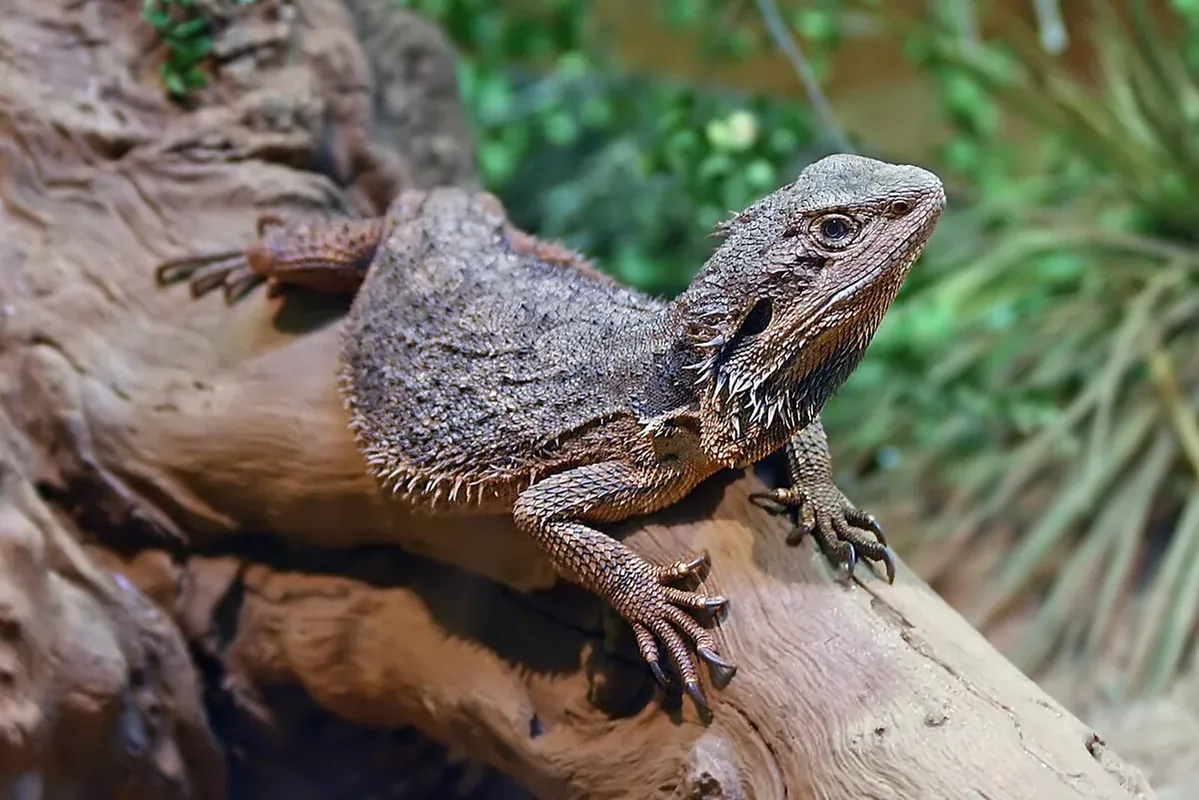
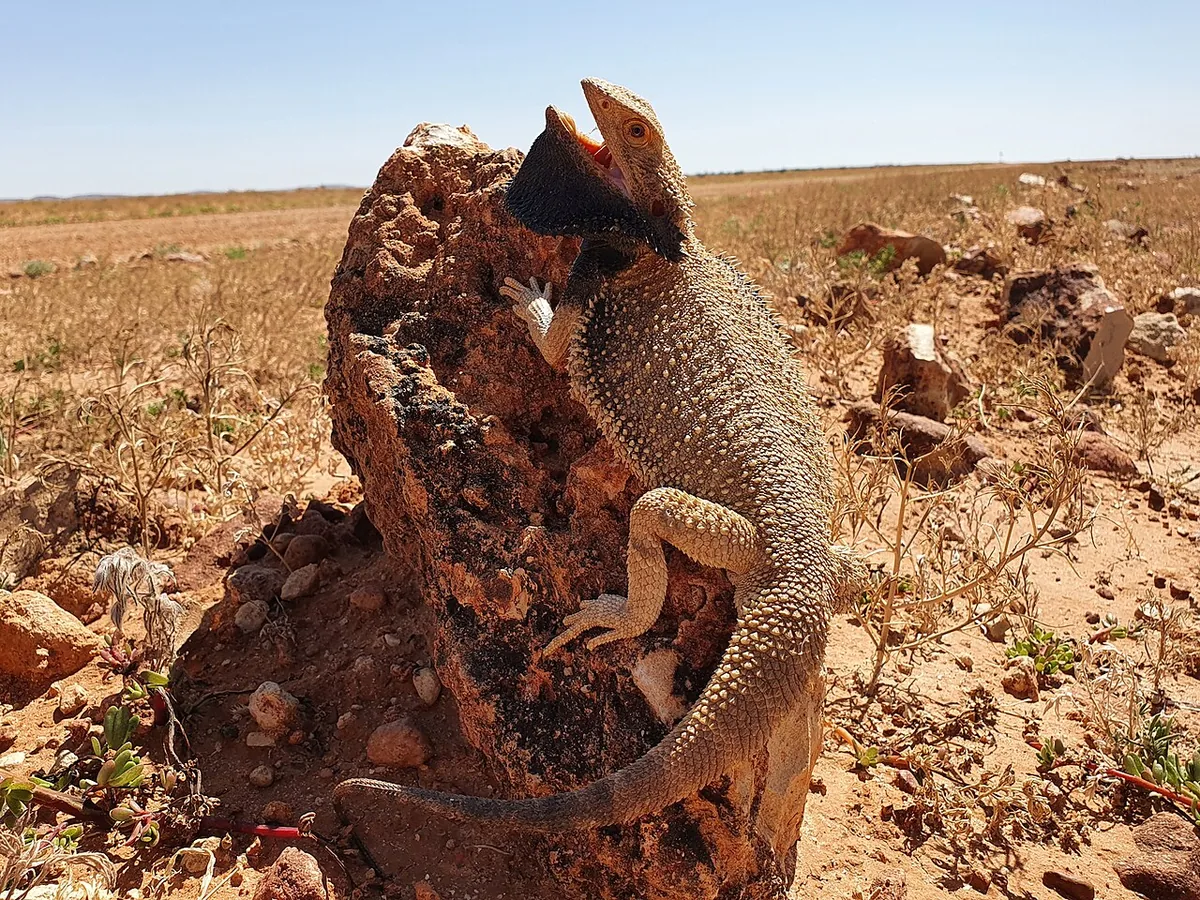
Editorial note: Prepared with AI assistance by Pet Living Magazine using the sources below. This article has not been reviewed by a veterinarian; individual care questions belong with your veterinary team. The photograph is representative editorial imagery, not a demonstration of every recommendation.
Prepared with AI assistance and source checks. General editorial information; no veterinarian-review claim. Report a correction.