The aquarium no longer fits the new apartment, a fish has outgrown the original plan, or the person who maintained the tank can no longer do the work. These are problems to solve with another suitable home. A nearby pond is not a substitute aquarium, even when releasing the fish feels like giving it a chance.
The U.S. Fish and Wildlife Service’s aquatic-nuisance guidance tells aquarium owners to find new homes for unwanted animals and plants instead of releasing them into natural water. A responsible rehoming effort begins while the existing aquarium is still operating and the fish can continue receiving care.
Describe the fish before asking who wants it
Prepare an accurate description: species if known, number of fish, approximate current size, time in your care, usual food, and relevant observations. Add clear photographs of the animals and the current aquarium. If identification is uncertain, say so and seek knowledgeable help rather than choosing a convenient name from an image search.
Include the reason for rehoming without making it a sales pitch. “Needs more suitable space than I can provide” gives a prospective caregiver useful context. “Easy fish, any tank will do” creates a new problem. Share known health concerns and recent treatments honestly, with veterinary advice where needed.
A recipient must consider adult size, compatible companions, and water requirements. Our community-aquarium stocking guide explains why an apparently empty corner of another tank is not enough evidence of a suitable match.
Make inquiries before making a journey
Contact the retailer the fish came from, knowledgeable local aquarium groups, and appropriate rescue or animal-welfare organizations. Ask whether they accept this species, what information they need, and whether they can suggest another responsible contact if they cannot help. These are inquiries, not appointments to leave a fish at the door.
New South Wales’ aquarium-owner guidance notes that some fish retailers accept unwanted fish while others lack space to quarantine them. The practical lesson travels well: confirm capacity with the actual recipient. A shop selling aquariums does not imply that it has agreed to take your animal.
Keep a short contact list with the response and any next step. If someone offers to ask a colleague, continue maintaining the aquarium while you wait. A hopeful conversation is not yet an accepted placement.
Look for a suitable home, not the fastest reply
Ask the prospective caregiver to describe the receiving system and how this fish would fit it. Discuss existing animals, available space, and access to appropriate advice. An experienced keeper should still evaluate a particular animal rather than accept it solely because they have kept fish before.
If a community group helps connect you, explain what you can supply with the fish and what remains uncertain. Avoid claiming a complete setup is ready to use merely because you are offering the tank and equipment too. Equipment condition, the receiving location, and the care plan still need attention.
When there are questions about health, quarantine, compatibility, or transport, obtain species-appropriate professional guidance. Do not invent a medication or isolation schedule to make a handover sound complete. Rehoming is a care transition, with the receiving keeper’s existing animals also in view.
Keep the current care going until handover
Agree who will feed, check equipment, and maintain the system during the search. If the aquarium belongs to someone who is moving or becoming unavailable, name a temporary caregiver and give them the established instructions. Our aquarium handoff guide helps define the routine another person needs.
Keep a realistic deadline visible. Suppose a move is three weeks away and the first two contacts cannot accept the fish. That is the time to broaden the search and request help—not to dismantle the aquarium and hope an answer arrives afterward. If continued care is becoming impossible, tell an appropriate professional promptly so the welfare problem can be addressed.
Agree on the transfer details
Once a suitable recipient accepts, confirm the date, destination, contact, and exactly which animals and supplies are included. Ask for guidance on safe species-appropriate transport and arrival arrangements. A photograph of a carrying container is not a transport plan; the journey and the receiving system matter too.
Send the care and health information with the animal, rather than relying on a long conversation at collection. Record the transfer so everyone knows who is responsible afterward. A receipt or brief written acknowledgment can help prevent confusion about what was agreed, without turning the animal into an object to be passed around casually.
Keep outdoor water out of the options
The Fish and Wildlife Service’s warning includes aquarium plants and other animals. An unwanted snail or plant should not become an exception at the end of a tank clearance. Ask the relevant local wildlife or biosecurity authority about responsible disposal and any restrictions on possessing or transferring an uncertain species.
A successful outcome is a confirmed, appropriate placement and continuous care up to the handover. It may take several inquiries. Releasing the aquarium’s contents outdoors simply transfers the problem to the animals and the environment.
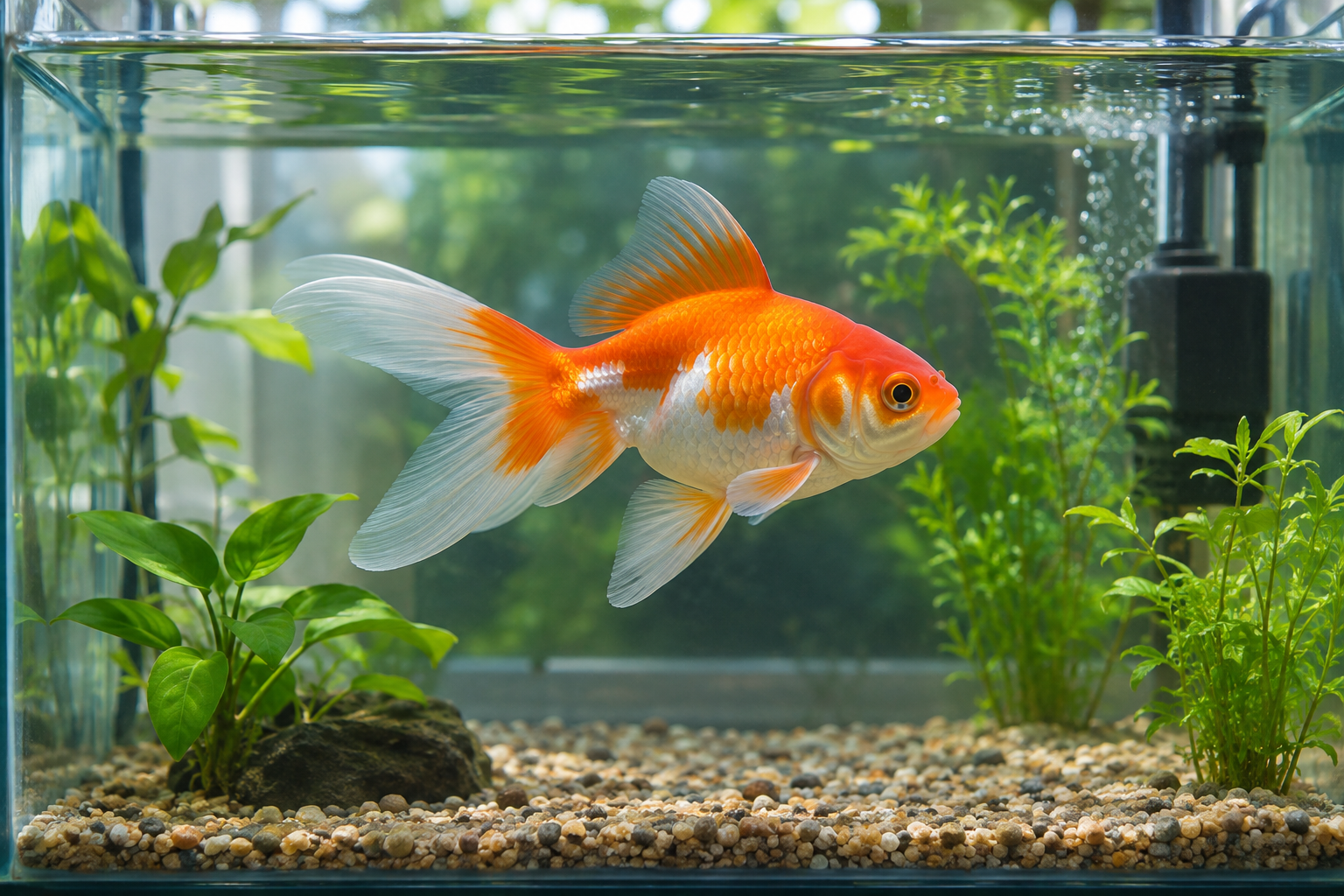
Editorial disclosure: Prepared with AI assistance and primary-source checks by Pet Living Magazine. Contact suggestions and the moving example are editorial planning guidance, not a promise that an organization will accept an animal. The featured goldfish is an original AI-created illustration, not a documented rehoming case or a complete aquarium specification.
Prepared with AI assistance and source checks. General editorial information; no veterinarian-review claim. Report a correction.