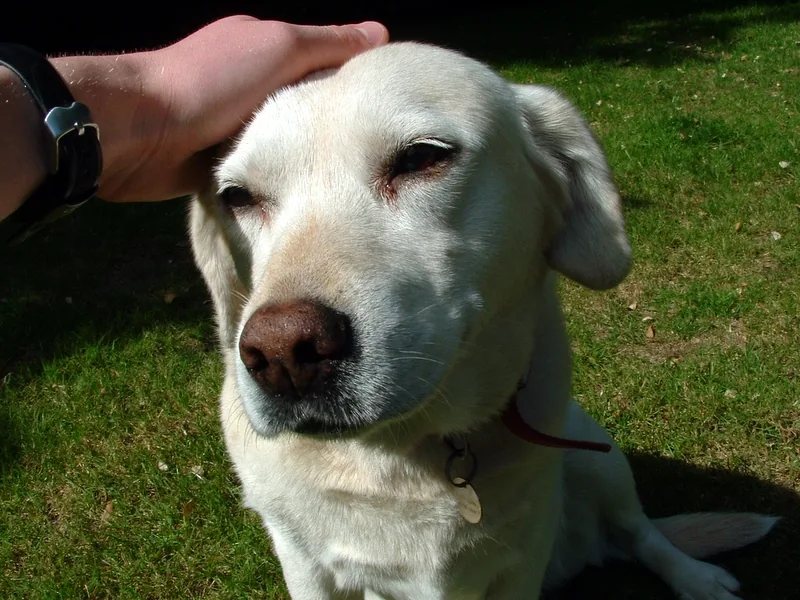
A beautiful dog bed can sit untouched while the dog sleeps beside the laundry basket. Before buying a different shape or fabric, look at the location. Light, household traffic, flooring, temperature, and access to people can all make one corner more practical than another. The useful question is where this dog can rest comfortably during the day you actually live.
Observe a few ordinary days
Mark the resting places your dog chooses in the morning, afternoon, and evening. Note what the room is doing at those times: a sunny patch, a closed door, a washing machine, children returning home, or adults sitting down. Avoid moving the dog repeatedly to test your theory. Let the observations emerge during the normal routine.
Keep a change in sleeping location in perspective. It may reflect a rearranged room, but discomfort or illness can also affect behavior. If resting habits change unexpectedly, or you notice difficulty lying down or getting up, speak with your veterinarian. A new bed location should not become an explanation that delays care.
Test a second location before removing the first
Place suitable bedding near a corner the dog already chooses. Retain the existing bed so the dog has a choice. Keep the route clear and the surface stable. A bed on a slick floor may slide as the dog steps onto it; a doorway placement may mean everyone passes within inches of the dog’s head.
Think about water and the route outside. An older dog or one with limited mobility may need an accessible arrangement that reduces unnecessary crossing and stairs. Ask your veterinary team about the individual dog’s needs. Do not assume the thickest cushion is always the easiest bed to enter or leave.
Protect the resting space from interruptions
Tell everyone that the dog can rest without being touched. Children should not crawl into the bed, and visitors should not use it as a convenient greeting spot. The RSPCA recommends an undisturbed safe space. Put the principle into a household rule that applies even when the dog appears awake.
Keep toys that require close supervision elsewhere when you cannot supervise. Check bedding for damage, trapped objects, and moisture during cleaning. Use care instructions appropriate for the fabric and ensure the bed dries properly. A location that is easy to maintain is more likely to remain comfortable over time.
Let the arrangement change with the day
Two modest resting options may serve the household better than one large bed in a busy central position. One can be near people and another in a quieter area. Avoid forcing the dog into either. Notice whether the dog uses the new place voluntarily and can leave it easily.
Review the plan when seasons, work schedules, or mobility change. Moving a lamp or adding a rug may be more useful than buying another bed. The finished room should make rest ordinary, not a training performance. Your dog’s preferences remain part of the design even if they do not match the photograph on the packaging.
Compare two ordinary afternoons
Keep your existing bed and place the second suitable option in a quieter location. During two ordinary afternoons, note where the dog rests and what is happening nearby. Include whether the dog can stand, turn, and leave comfortably. Resist interpreting one choice as a permanent preference. A warm patch of sunlight or a person sitting down can change the appeal of a location that day.
Afterward, ask whether both options remain useful. The quieter bed may serve visiting days while the familiar bed supports evening company. Check cleaning access, moisture, and whether either location obstructs a route. If the dog does not use the new bed, avoid repeatedly lifting it onto the surface. You can improve the location or retain the original arrangement. Keep an unexpected change in rest or movement separate from the room experiment and discuss it with your veterinarian. The comparison should inform design while preserving the dog’s control over ordinary rest.
Connect this task to the wider care plan
If equipment needs changing, compare access and cleaning requirements before purchasing with Choose a Dog Bed by Sleep Style, Access, and Washability.
For an animal whose mobility or access needs are changing, adapt the surrounding routes with Make a Senior Pet's Home Easier to Navigate.
Keep this task within a wider balance of movement, interaction, and rest using Map Your Dog’s Week Beyond the Long Walk.
Editorial note: Prepared with AI assistance by Pet Living Magazine using the sources below. This article has not been reviewed by a veterinarian; individual care questions belong with your veterinary team. The photograph is representative editorial imagery, not a demonstration of every recommendation.
Prepared with AI assistance and source checks. General editorial information; no veterinarian-review claim. Report a correction.